
Cholesterol is a waxy substance that plays several important roles in the body. There are two types of cholesterol; good cholesterol and bad cholesterol. Good cholesterol also known as high-density lipoprotein (HDL) helps to carry bad cholesterol from the arteries to the liver where the bad cholesterol is broken down and eventually removed from the body. On the other hand, bad cholesterol, also known as low-density lipoprotein (LDL) causes a build-up in the arteries which increases the risk of heart attack, heart disease and others.
It is important that there is a balance between HDL and LDL. When there's an increase in LDL, it can impact your health and this is known as high cholesterol. When you have high cholesterol levels, it can lead to several health issues which include heart attack, stroke, heart failure and liver cirrhosis among others. One of the ways to avoid these problems and take the necessary steps is by spotting the signs of high cholesterol.
Here are some of the signs of high cholesterol levels that you can spot on your legs.
Xanthomas
Xanthomas are yellowish, fatty lumps that can appear on the skin, commonly around joints like the knees, elbows or even on your legs. They form when there is an excess of cholesterol in the bloodstream which leads to cholesterol buildup in the skin. These lumps are often a visible sign of high cholesterol.
Leg Pain or Cramping
High cholesterol can lead to the narrowing of the arteries which is a condition called atherosclerosis. As the arteries become clogged with fatty deposits, blood flow to the legs decreases, leading to symptoms such as pain, cramping or heaviness in the legs, especially after walking or exercising. This is known as intermittent claudication and is a warning sign of cardiovascular issues linked to high cholesterol.
Cold or Numb Legs
When cholesterol buildup narrows blood vessels, it can affect blood flow, leading to poor circulation. This can cause your legs to feel cold or numb, especially in colder weather or after sitting for long periods. This is a sign that blood isn’t reaching the extremities and cholesterol might be causing this blockage.
Shiny Skin on Legs
If your cholesterol levels are high and there's poor circulation, it can result in a shiny appearance of the skin on your legs, especially around the shins. This shiny skin is often a result of reduced oxygen supply to the tissues due to narrowed arteries.
Varicose Veins
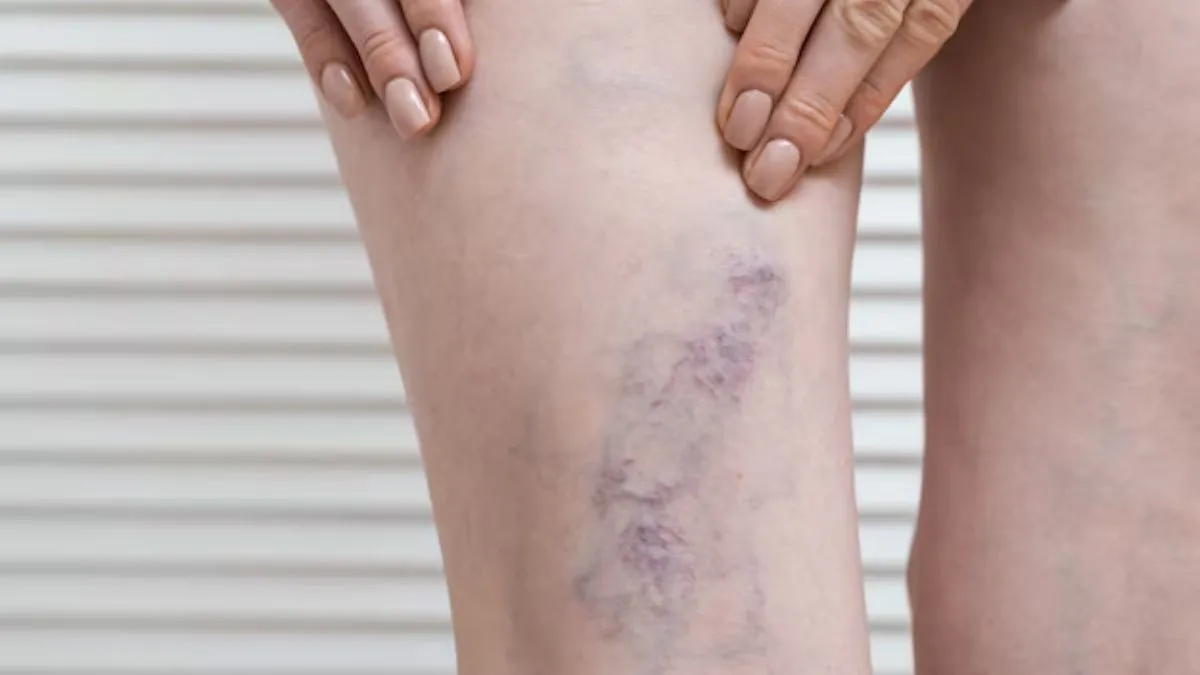
High cholesterol can also lead to varicose veins. These swollen and twisted veins can become more visible under the skin, particularly on the legs. While varicose veins are typically linked to weak valves or pressure in the veins, high cholesterol can aggravate the condition.
ALSO READ: Drinking this water on an empty stomach is beneficial in these health problems
