
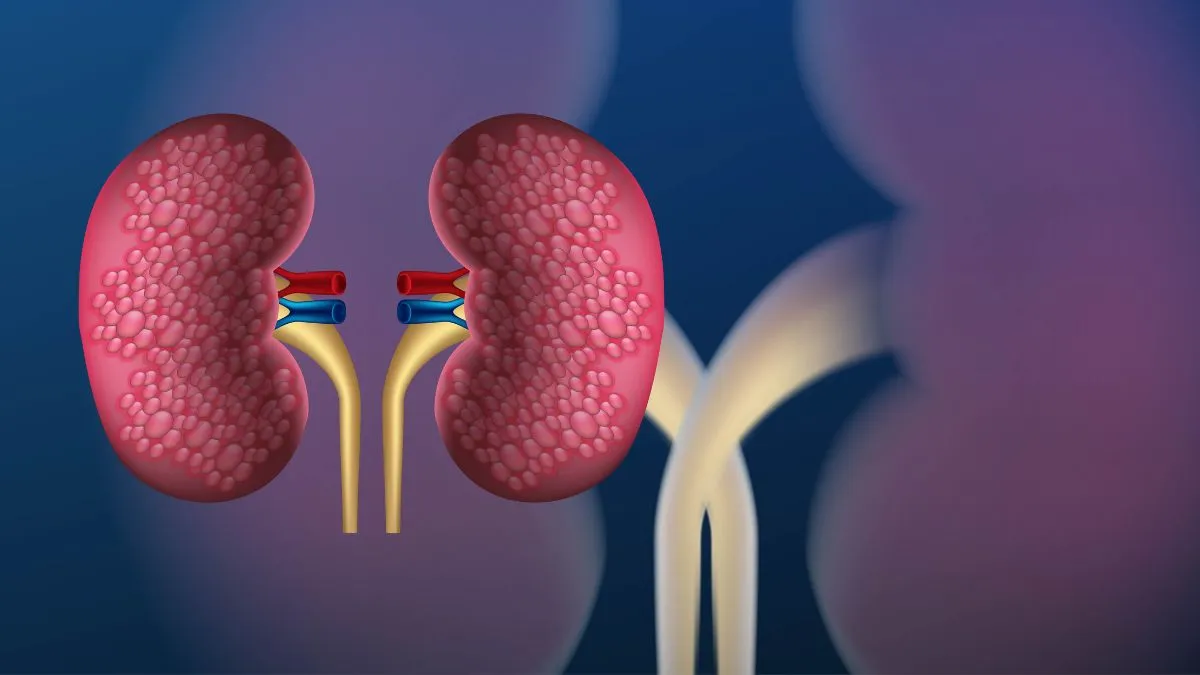
Our kidneys are vital organs that work to filter waste, balance fluids and regulate blood pressure. Yet, many everyday habits can place an unnecessary burden on them, increasing the risk of long-term damage.
While kidney disease often develops silently, lifestyle choices play a major role in prevention. Read on as Dr. Kshitij Raghuvanshi, Urologist at Ruby Hall Clinic, Pune shares some common habits that can harm your kidneys and how to avoid them.
Painkillers and kidney damage explained
Over-the-counter (OTC) painkillers, especially non-steroidal anti-inflammatory drugs (NSAIDs) like ibuprofen and naproxen, are widely used for headaches, body aches, or menstrual cramps. However, frequent or unsupervised use can be dangerous.
Long-term or excessive use may lead to chronic interstitial nephritis, a form of kidney inflammation that can progress to permanent kidney failure. The risk increases further when multiple painkillers are combined or recommended dosages are exceeded.
The truth about salt and kidney health
Many people believe that alternatives like sea salt or Himalayan pink salt are healthier than table salt. However, all salts are chemically the same, sodium chloride, with only negligible differences in trace minerals. The real danger lies in excessive sodium intake.
High sodium levels can increase blood pressure, which is a leading cause of kidney damage. When the body is overloaded with salt, the kidneys must work harder to excrete the excess. Over time, this strain can reduce kidney function and contribute to chronic kidney disease. The solution is not to switch to a different type of salt but to limit overall sodium consumption, regardless of the source.
Can too much water harm your kidneys?
While staying hydrated is essential, drinking six to seven liters a day does not protect the kidneys and can even be harmful. Excessive water intake can cause hyponatremia, a condition where blood sodium levels drop too low.
This forces the kidneys to work overtime to excrete the excess water, and in severe cases, it may lead to brain swelling, seizures or even death. For most healthy adults, two to three liters of water per day is sufficient, though this can vary based on physical activity, climate and individual health.
Tips to protect kidney health daily
Many habits that seem harmless, taking painkillers for minor aches, adding extra salt to food or drinking excessive amounts of water, can quietly damage the kidneys over time. By using medicines responsibly, keeping salt intake under control and staying appropriately hydrated, you can reduce unnecessary strain on your kidneys and protect them for the long term.
ALSO READ: How kidney health secretly controls your blood pressure, explains doctor
