
The cases of H3N2 flu have been reported in Delhi and other NCR cities. A recent survey said that nearly 69% of households in Delhi-NCR have reported at least one member down with flu-like illness this month. While flu is common during seasonal changes and monsoon, the surge in cases this year has given rise to several questions.
From symptoms to testing and more, here are some answers to common questions related to the H3N2 flu.
What is H3N2 influenza and how is it spreading in Delhi?
H3N2 virus explained: subtype of influenza A
H3N2 is a subtype of the influenza A virus, which is usually linked to seasonal flu outbreaks. Like other flu viruses, it mutates over time, which makes people vulnerable even if they have had the flu in the past.
Why Delhi is reporting more cases this season
Delhi has seen a rise in H3N2 cases this season due to fluctuating weather, high air pollution, and lower immunity. Crowded public spaces and increased travel and social gatherings also contribute to the spread.
How the flu spreads from one person to another
The virus spreads primarily through droplets released when an infected person coughs, sneezes, or talks. It can also spread via contaminated surfaces if people touch their mouth, nose, or eyes afterward.
What are the symptoms of H3N2 flu infection?
Common flu-like symptoms to watch out for
Most people infected with the virus report fever, cough, sore throat, body aches, fatigue, and nasal congestion. These are similar to the symptoms of seasonal flu, which makes diagnosis tricky without testing.
Severe signs that may require medical attention
Difficulty breathing, persistent chest pain, dizziness, or worsening cough might be signs of complications such as pneumonia and can require urgent medical care.
How long do H3N2 symptoms usually last
Symptoms of H3N2 flu usually last 5–7 days, though cough and fatigue may linger for up to two weeks.
H3N2 test name: Which diagnostic test is used to confirm it?
H3N2 RT-PCR test: the gold standard
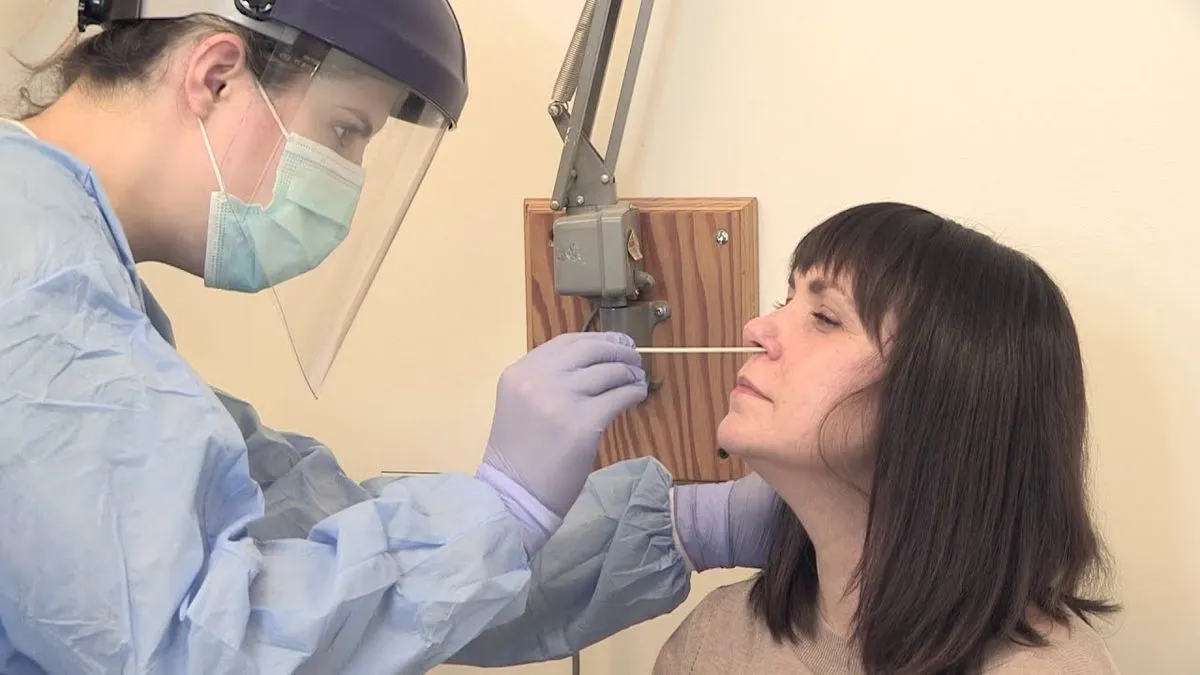
The RT-PCR test is considered the most accurate method to detect H3N2, identifying viral RNA in throat or nasal swabs.
Rapid influenza diagnostic tests (RIDTs)
These tests provide results within 15–30 minutes, but they are less sensitive than RT-PCR.
Difference between H3N2 and COVID-19 tests
While both use RT-PCR, COVID-19 tests detect SARS-CoV-2, whereas H3N2-specific RT-PCR targets influenza A subtypes.
Where can you get tested for H3N2 in Delhi?
Government hospitals offering H3N2 tests
Several Delhi government hospitals, including AIIMS and Lok Nayak Jai Prakash Narayan Hospital (LNJP), provide influenza testing at subsidised rates.
Private labs and testing centres in Delhi
Accredited private diagnostic centres also offer H3N2 RT-PCR and RIDTs. These include major private lab chains such as SRL Diagnostics (Agilus), Apollo Diagnostics, Dr. Dangs Lab, Max Lab, Ganesh Diagnostic, and Redcliffe Labs, among others
Home sample collection options for H3N2
Many labs now provide doorstep sample collection for convenience, which is useful for those who are advised to avoid travel while sick. There are several options that you can choose from, and they are Ganesh Diagnostic, Max Lab, Metropolis Healthcare, Apollo Diagnostics, Thyrocare, Redcliffe Labs, 1mg, and Orange Health Labs.
Treatment and precautions if you test positive for H3N2
Doctor-recommended treatment for H3N2 flu
- Antiviral medications are prescribed if the infection is caught early.
- Fever reducers and pain relievers to manage symptoms.
- Supportive care: rest, hydration, adequate nutrition.
- Hospitalisation and oxygen support for severe cases, especially if breathing difficulty develops.
Home remedies to manage mild symptoms
- Stay well-hydrated with water, herbal teas, and broths.
- Gargle with warm salt water for sore throat relief.
- Steam inhalation or the use of humidifiers to ease nasal congestion
- Adequate rest; avoid strenuous activity until strength returns.
- Eat light but nutritious food: soups, fruits, easily digestible meals.
Precautions to prevent spreading the flu
- Seasonal flu vaccination, especially for high-risk groups.
- Maintain hand hygiene: wash hands often, use hand sanitiser if soap isn’t available.
- Wear masks in crowded, poorly ventilated spaces.
- Cover nose/mouth while sneezing or coughing; avoid touching face.
- Keep indoor spaces well ventilated.
- Stay home if symptomatic, avoid contact with vulnerable people until you recover.
Who should get an H3N2 test done immediately?
High-risk groups: children, elderly, and pregnant women
These groups are more prone to complications and should get tested early if symptoms appear.
People with chronic illnesses (asthma, diabetes, heart disease)
Pre-existing conditions can worsen flu outcomes. Hence, a timely diagnosis is extremely important.
When mild flu may not require testing
Healthy adults with mild symptoms can recover at home without testing unless symptoms worsen.
How is H3N2 different from seasonal flu and swine flu?
H3N2 vs H1N1 (swine flu): key differences
While both belong to influenza A, H1N1 caused the 2009 pandemic, whereas H3N2 is linked to recurring seasonal outbreaks with different mutation patterns.
How H3N2 is different from common seasonal flu
H3N2 tends to cause more hospitalisations, especially among vulnerable groups, compared to regular flu strains.
Why experts say H3N2 needs closer monitoring
Frequent mutations make H3N2 unpredictable, and hence, it requires continuous monitoring to prevent large-scale outbreaks.
Disclaimer: Tips and suggestions mentioned in the article are for general information purposes only and should not be construed as professional medical advice. Always consult your doctor or a dietician before starting any fitness programme or making any changes to your diet.
ALSO READ: H3N2 flu symptoms, treatment and prevention: What you need to know in Delhi-NCR
