
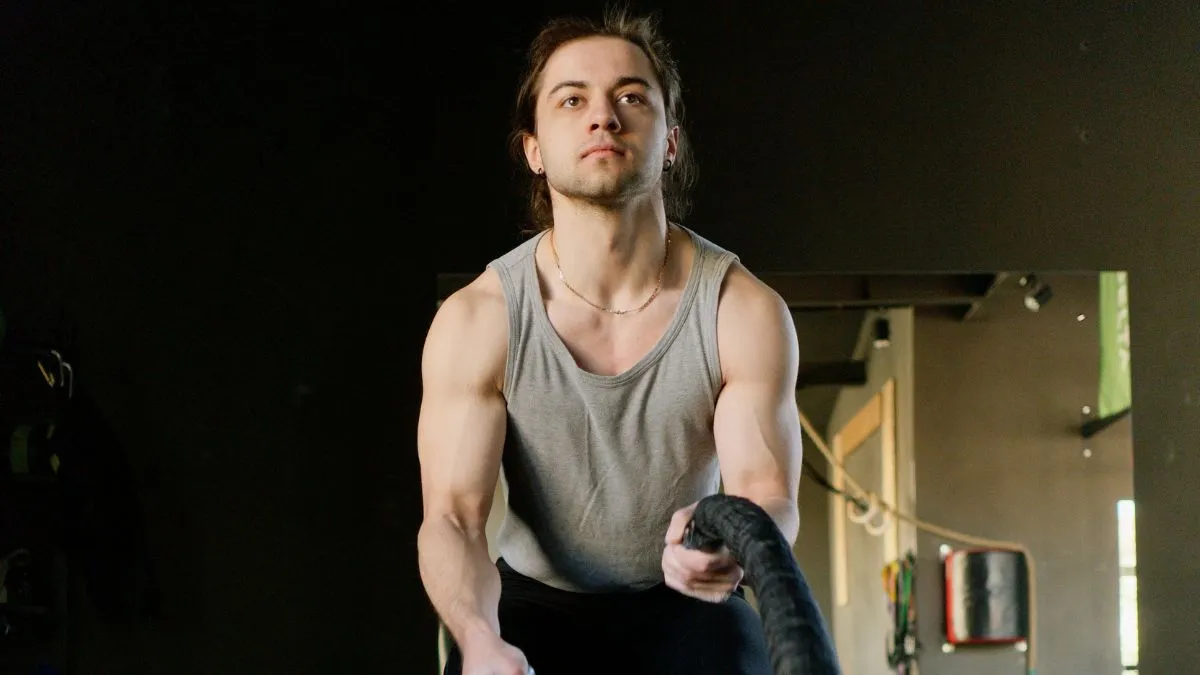
Exercise is widely celebrated as a cornerstone of good health, supporting weight management, heart health, mental wellbeing and overall vitality. When it comes to fertility too, physical activity plays an important role. But doctors say there’s a lesser-known flip side: excessive exercise can quietly interfere with reproductive health.
This phenomenon is often referred to as the fertility–fitness paradox, the point at which exercise shifts from being beneficial to becoming a biological stressor. “Moderate physical activity supports fertility in both men and women,” says Dr Reema Sircar, Gynaecologist and IVF Specialist at Indira IVF Hospital, Chandigarh. “But when exercise becomes excessive or is combined with inadequate nutrition and rest, it can disrupt the hormonal balance essential for reproduction.”
Why moderate exercise supports fertility
When done in moderation, exercise helps regulate body weight, improve insulin sensitivity, reduce inflammation and support cardiovascular health — all of which are closely linked to reproductive function.
“In women, maintaining a healthy weight through moderate activity supports regular menstrual cycles and ovulation,” Dr Sircar explains. “In men, it is associated with better sperm quality, including improved motility and concentration.” These benefits stem from a body that is well-fuelled, hormonally balanced and not under chronic physical stress.
When exercise starts working against fertility
Problems arise when training intensity or volume becomes excessive, particularly without adequate calorie intake or recovery time.
“In women, intense or prolonged exercise can lead to hypothalamic amenorrhoea,” says Dr Sircar. “This is a condition where the brain reduces the release of hormones that regulate the menstrual cycle, leading to irregular periods or even complete absence of menstruation.” This hormonal suppression directly affects ovulation and, if sustained, can result in infertility.
In men, the effects are less visible but equally significant.
“Excessive physical training can lower testosterone levels, which are crucial for sperm production,” Dr Sircar notes. “Men involved in extreme endurance sports or heavy training often show reduced sperm count, motility and overall semen quality.”
The risk is further amplified when anabolic steroids or performance-enhancing supplements are used, as these interfere with the body’s natural hormonal feedback systems.
The biology behind the paradox
At the heart of the fertility–fitness paradox is energy availability. When the body expends more energy through exercise than it receives through nutrition, it enters a conservation mode. “The body prioritises vital functions over reproduction,” Dr Sircar explains. “In women, reproductive hormone production is suppressed, and in men, the hormonal axis that supports sperm production is disrupted.”
Chronic physical stress also raises cortisol levels and oxidative stress, both of which can damage egg and sperm quality over time. “These physiological changes explain why fitness extremes can be detrimental to fertility, even though exercise is otherwise healthy,” she adds.
Finding the right balance
For individuals trying to conceive, balance is key. Women experiencing missed or irregular periods while exercising should seek medical advice rather than pushing through fatigue. Men engaged in heavy training who notice low energy, reduced libido or fertility issues should also consider evaluation.
“Nutritional adequacy is just as important as exercise,” says Dr Sircar. “Sufficient calories, along with the right balance of macronutrients and micronutrients, are essential to support both physical activity and reproductive health.”
Exercise remains an important pillar of a healthy lifestyle, including for those planning a family. But more is not always better. “The fertility–fitness paradox reminds us that reproductive health is sensitive to stress and energy balance,” Dr Sircar says. “Personalised guidance can help individuals align their fitness goals with their fertility plans, rather than unknowingly working against them.”
Understanding this balance empowers people to make informed choices, supporting both long-term health and the possibility of parenthood.
Disclaimer: Tips and suggestions mentioned in the article are for general information purposes only and should not be construed as professional medical advice. Always consult your doctor or a dietician before starting any fitness programme or making any changes to your die
Also read: Male infertility in focus: Doctor explains the hidden burden of cryptozoospermia
