
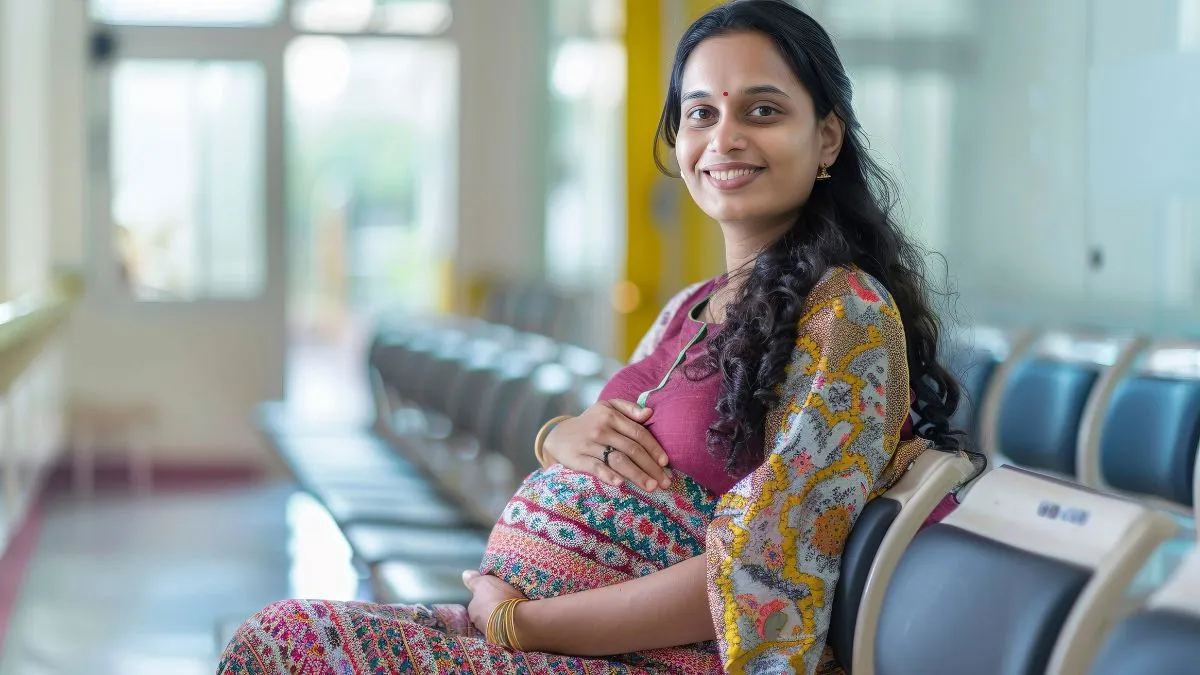
For many women, Karwa Chauth is a beautiful tradition. It is a day of love, prayer, and togetherness. But when you’re expecting, the question becomes a little complicated: Is fasting safe during pregnancy?
While devotion and tradition hold deep emotional meaning, doctors say your and your baby’s health must always come first. Dr Priyanka Deswal, Consultant Obstetrician and Gynaecologist, took to YouTube to share her take on it. She shared what expectant mothers should keep in mind before observing the fast. Here's what she said:
Don’t fast without consulting your doctor
“Every pregnancy is unique,” says Dr Deswal. “If you have any health issues, such as low blood pressure, gestational diabetes, or risk of preterm labour, fasting can be unsafe. Always talk to your gynaecologist before you decide.”
Eat right during sargi
If your doctor permits you to keep the fast, what you eat in sargi matters most. “Choose complex carbohydrates and protein-rich foods, such as oats, paneer, and dry fruits, to give you sustained energy,” advises Dr Deswal. “Add hydrating fruits like watermelon, oranges, and pomegranate to stay refreshed through the day.”
Avoid overexertion
“This isn’t the day to overwork,” she says. “Avoid household chores, take at least 2–3 hours of rest, and stay calm. Emotional stress can also affect your body, so conserve energy by staying relaxed and positive.”
Stay hydrated, don’t skip fluids entirely
Dr Deswal strongly cautions against total nirjala (without water) fasting during pregnancy. “Dehydration can cause dizziness, fatigue, and even affect the baby’s health,” she explains. “Sip coconut water, fruit juice, or plain water throughout the day. Keeping your body hydrated is non-negotiable.”
Break your fast gently
“When it’s time to break the fast, don’t reach for heavy or fried foods,” Dr Deswal says. “Start with water or fresh juice, followed by light, homemade food, khichdi, daliya, or vegetable soup. Avoid junk food or sweets that can cause sudden spikes in blood sugar.”
Karwa Chauth is a day of love and prayer, but pregnancy is a time to prioritise health above all else. If you wish to observe the fast, do it with your doctor’s approval, stay hydrated, and listen to your body.
Also read: What happens in your body if you eat after midnight? Spoiler: it’s worse than you think
Disclaimer: Tips and suggestions mentioned in the article are for general information purposes only and should not be construed as professional medical advice. Always consult your doctor or a dietician before starting any fitness programme or making any changes to your diet
