
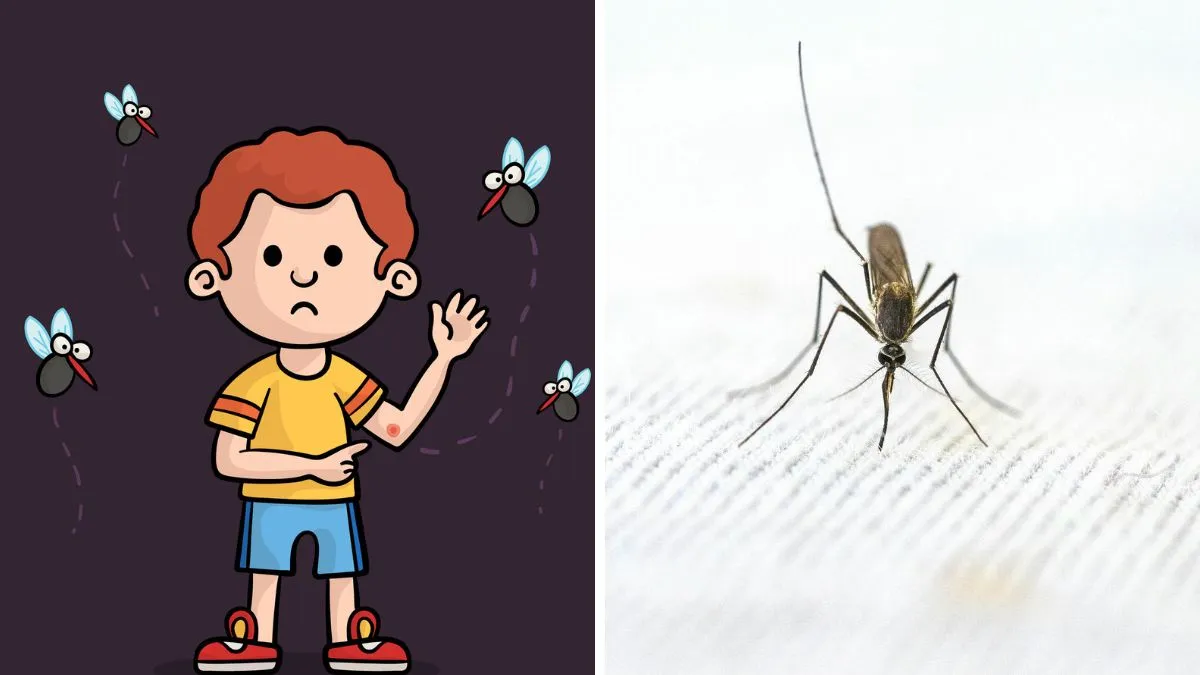
Delhi recording its highest April dengue cases in five years has once again put the spotlight on how the mosquito-borne disease is no longer limited to the monsoon season. Changing weather patterns, rapid urbanisation and rising temperatures are helping dengue-carrying mosquitoes survive and breed throughout the year.
Doctors say children remain especially vulnerable to severe dengue because symptoms can worsen suddenly within days. Here is what increases the risk in kids, the warning signs parents should watch for, and the everyday precautions that can help families stay protected.
Dengue is no longer seasonal
Experts say dengue has evolved from being a rainy-season illness into a year-round public health concern. Climate change, warmer temperatures and irregular rainfall patterns are creating favourable conditions for Aedes mosquitoes to breed across multiple seasons. Delhi, recent figures indicate, is no exception to the trend. The city has reported 52 cases of dengue in April 2026, which is the highest April figure since 2021, when there were 42 and 31 cases in 2025 and 2024 respectively.
Reasons behind children being at a greater risk
"Children below 15 years of age constitute a large chunk of dengue cases in India," explains Dr Satish Shahane, Director & Consultant Paediatrician, Saanvi Children Hospital, Navi Mumbai. Children younger than five years are at a greater risk due to immature immunity. Their blood vessels are also more delicate, which can increase the chances of fluid leakage, internal bleeding and shock in severe cases.
Repeat dengue infections can be more dangerous
Dengue is caused by four different virus types. A child who has recovered from dengue once can still get infected again by another strain. Doctors warn that repeat infections may sometimes trigger more severe illness due to a process known as antibody-dependent enhancement.
Obesity and pre-existing medical conditions are also important factors
Some studies reveal that obese children are at a greater risk of contracting an extreme or protracted dengue infection. According to experts, pre-existing medical problems can slow down the process of recovery from a dengue infection.
Important signs parents should not overlook
Initial dengue symptoms might seem similar to viral fever, which include the following:
- High fever
- Intense headache
- Eye socket pain
- Body ache and joint pains
- Rashes
However, medical professionals emphasise the importance of consulting a doctor when one experiences warning signs such as continuous vomiting, abdominal pain, gum and nose bleeding, and breathing problems. The severity of dengue infection can escalate quickly, leading to shock and organ damage if it is left untreated.
Methods for dengue protection
Prevention tips at home:
- Prevent accumulation of water in and around residential areas
- Clean coolers, AC trays, and plant pots regularly
- Dress children in full sleeves while playing outside
- Apply safe mosquito repellents to children
- Fit windows with screens or use mosquito nets
Medical professionals also suggest avoiding playing outdoors in areas undergoing construction work and waterlogging.
Delhi’s dengue fever cases in April have sharply risen, alerting people to the fact that the problem can no longer be regarded as an annual issue. With changes in mosquitoes' breeding cycles due to rising temperatures, early recognition and vigilance may prove essential to prevent children from falling ill.
Also read: Should you trust AI chatbots for medical advice? Expert weighs in
