
For decades, the largest hurdle in oncology has been to catch cancers before they become apparent. By the time a lump, constant sore throat, or hoarseness develops, it's usually too late for a full recovery. But now, researchers might be closer than ever to rewriting that script.
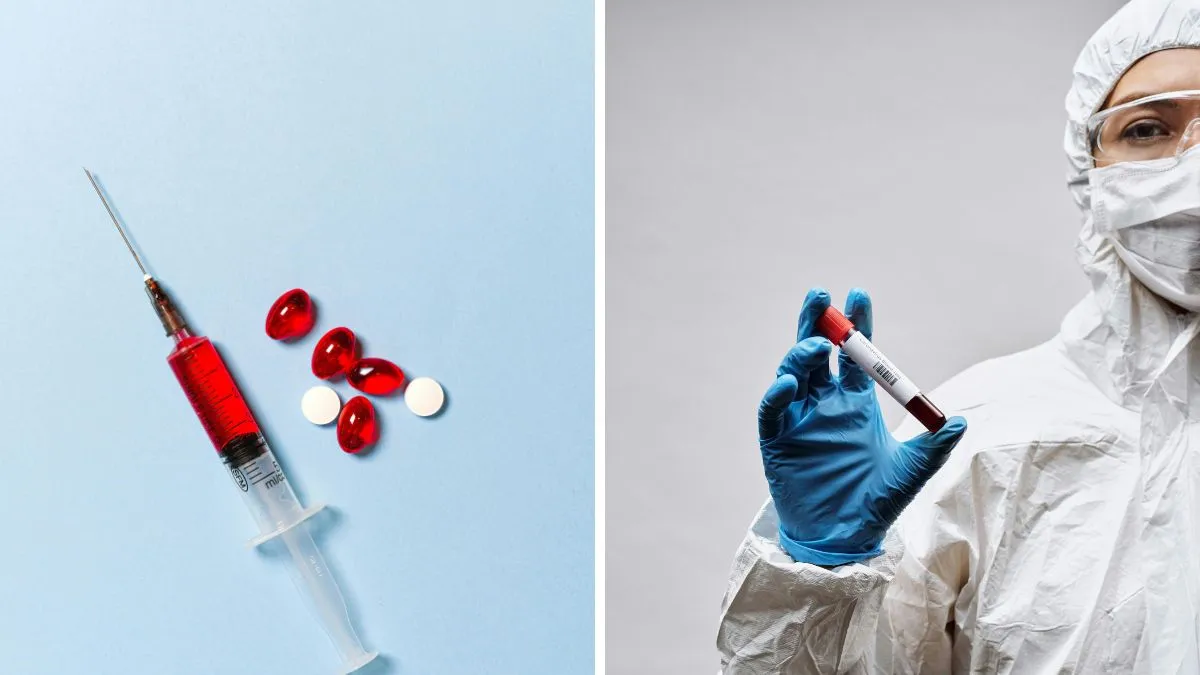
A study that has recently been published in the Journal of the National Cancer Institute has identified a blood test to detect head and neck cancers years before symptoms are evident. The advance, if confirmed, would transform cancer screening, especially in high-risk countries such as India, where late-stage diagnosis is among the main causes of low survival rates. Experts say the findings could transform how we identify and treat one of the country’s most common yet often overlooked cancers.
The science behind the test
The study describes a circulating biomarker panel (likely a combination of DNA, protein, or methylation signatures) that can flag early-stage head and neck malignancies in asymptomatic individuals. These are minute molecular signs, “whispers” from cancer cells, detectable years before physical symptoms like a sore throat, neck swelling, or hoarseness emerge.
Early results indicate very high specificity and sensitivity in high-risk groups, i.e., relatively low false positives and false negatives. If confirmed in larger trials, the test has the potential to revolutionise from symptom-based diagnoses towards proactive screening in risk groups.
Why is this important for India
India has one of the highest loads of head and neck cancers in the world, driven by tobacco consumption (smoked and smokeless), alcohol, and betel nut use. Most patients report only at advanced stages, when the choices are few and survival decreases rapidly.
If this test is made available in India, it would allow for:
- Earlier treatment, when survival is much better
- Risk stratification for screening, targeting high-risk populations (e.g., tobacco users, the elderly)
- Less intense treatment with improved quality of life results
- Lower load on oncology services by detecting fewer advanced cases
But there are crucial challenges ahead: validation in Indian populations (with varied risk profiles), regulatory approval, cost scaling-up, and its integration into national cancer screening programmes.
What obstacles need to be overcome
- Validation in Indian cohorts: Biomarkers could act differently within ethnic or lifestyle subgroups
- Regulatory channels and clearance from Indian health organisations (Central Drugs Standard Control Organisation, Indian Council of Medical Research)
- Cost and access: To be useful for the masses, the test has to be low-cost and accessible
- Infrastructure and capacity building: Laboratories, staff, quality control, sample handling logistics
- Ethical and equity in health issues: Refraining from overdiagnosis, false positives, psychological harm, and facilitating access to confirmatory diagnostics and treatment
Prospects and guarded optimism
This is not yet an ordinary blood test, but it heralds an era where cancers no longer wait to become deadly. For India, adapting it will require collaboration between researchers, regulators, clinicians, and public health programmes.
If all goes right, within a decade, we might see head and neck cancer screening in high-risk Indians, revolutionising how this disease is fought here. But until then: awareness, early biopsies (in suspicious cases), and reducing known risk factors, tobacco, alcohol, and betel nut, remain critical front-line defences.
Also read: 'Men get breast cancer too': Doctor explains symptoms you shouldn’t ignore
Disclaimer: Tips and suggestions mentioned in the article are for general information purposes only and should not be construed as professional medical advice. Always consult your doctor or a dietician before starting any fitness programme or making any changes to your diet.
