
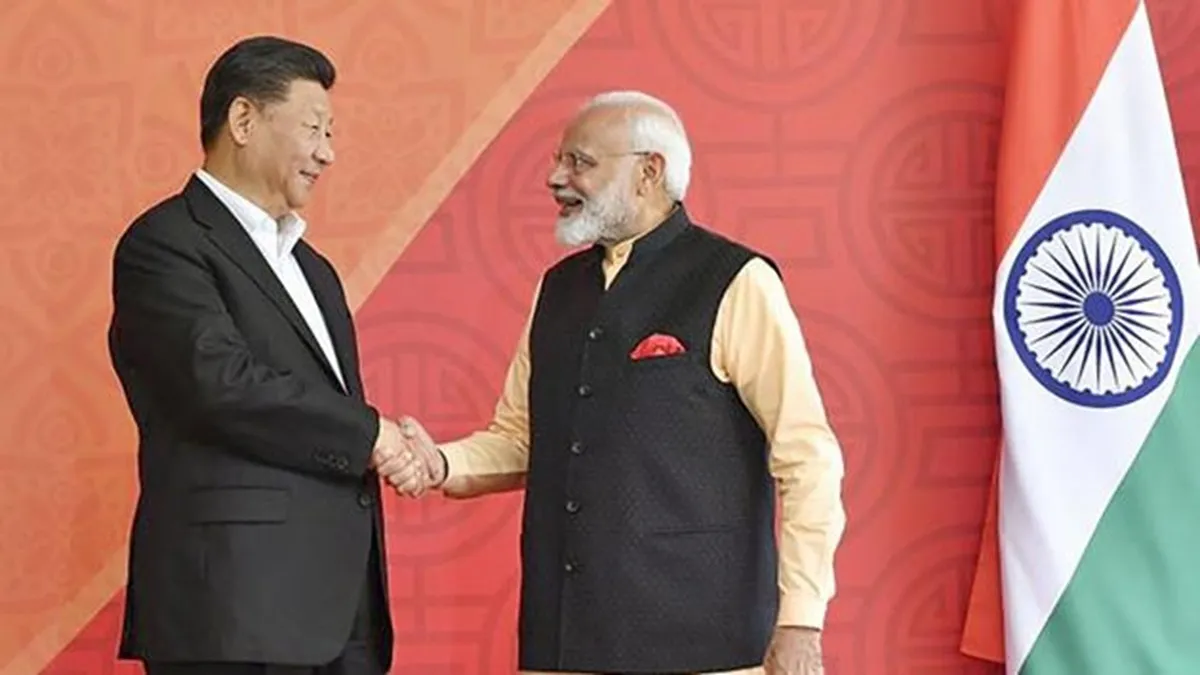
Prime Minister Narendra Modi's upcoming visit to China from August 31 to September 1 has sparked wide interest both at home and abroad. As per details, his anticipated meeting with President Xi Jinping in Tianjin will be closely watched, not just because it is his first trip to China in more than seven years, but also because it comes after a long period of friction between the two Asian giants. Notably, the last few years have been dominated by tense military stand-offs along the Line of Actual Control (LAC), particularly the deadly Galwan Valley clash in 2020. The 2020 Galwan Valley standoff between India and China was the worst border clash in over 40 years, resulting in the death of soldiers on both sides. The incident sharply escalated tensions and brought bilateral ties to a historic low. Against this backdrop, PM Modi's visit is being seen as the start of a new diplomatic chapter between the two nations.
Why this visit matters now
The timing of the visit is said to be crucial as India and China have been locked in a cycle of mistrust since 2020, with disengagement talks progressing slowly and border infrastructure build-ups continuing on both sides. PM Modi's decision to travel to Tianjin for the Shanghai Cooperation Organisation (SCO) Summit signals an effort to re-engage at the highest level. Both leaders are expected to discuss border management, regional security, and economic cooperation, but the optics themselves suggest a willingness to reduce hostility.
The global backdrop: Pressure from US
PM Modi's outreach to China also comes amid growing trade pressure from the United States as President Donald Trump has imposed a 50 per cent tariff on Indian imports, citing trade imbalances. Washington has also been critical of India's purchase of discounted Russian crude oil, which it sees as undermining sanctions on Moscow. This diplomatic squeeze has forced New Delhi to recalibrate its foreign policy by keeping multiple strategic options open. A stronger relationship with China could serve as a counterbalance to overdependence on the West.
Economic and strategic stakes
India and China, despite being competitors, remain significant trading partners. As per reports, bilateral trade touched record highs in recent years, although skewed heavily in China's favour. For India, reducing the trade deficit, attracting investments, and ensuring access to supply chains are key concerns. For Beijing, strengthening ties with New Delhi helps offset its isolation in the West and offers a stabilising partner in Asia. A thaw in relations could also revitalise cooperation within multilateral frameworks such as BRICS and SCO.
Can Modi and Xi reset the relationship?
The central question remains whether Prime Minister Modi's visit can deliver a genuine reset. Experts believe that the shadow of the border dispute is unlikely to disappear overnight, but a face-to-face dialogue after years of silence provides room for confidence-building measures. Even incremental steps, such as renewed agreements on troop disengagement or mechanisms to prevent skirmishes, can play a huge role in improving trust. Analysts say PM Modi's visit is less about immediate breakthroughs and more about opening communication channels that had nearly frozen.
What it means for the region
It is to be noted here that a diplomatic thaw between India and China could reshape Asia's balance of power. With tensions in the South China Sea, Russia's ongoing war in Ukraine, and the US-China rivalry intensifying, regional stability depends on how New Delhi and Beijing manage their differences. A working relationship between the two largest Asian economies could also strengthen the SCO which can ultimately make it more relevant in global security debates.
ALSO READ
