
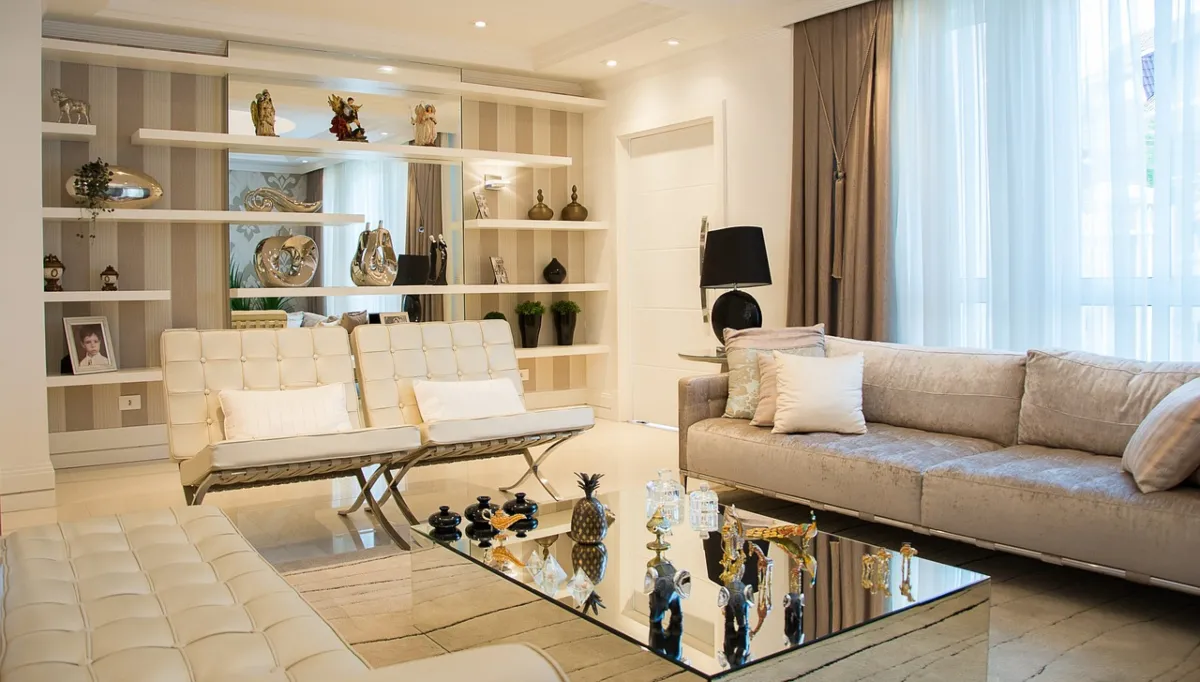
India's housing narrative in 2026 is no longer anchored in the idea of mere ownership; it is increasingly shaped by the pursuit of better living. Homebuyers today are making more considered, lifestyle-led choices, prioritising how a home supports everyday life rather than just where it is located or how competitively it is priced. As highlighted by Savills, post-pandemic behavioural shifts have permanently altered residential expectations; homes are now expected to double up as workspaces, wellness zones and social retreats. This evolving mindset reflects a deeper aspiration for comfort, flexibility and long-term liveability, marking a clear transition from asset-driven purchases to experience-led housing decisions.
Configurations such as 3BHKs, 3.5BHKs and flex-room layouts are steadily moving into the mainstream as households seek spaces that can adapt to evolving routines. At the same time, multi-generational living is gaining renewed relevance, requiring homes that offer both privacy and shared spaces. As families spend more time indoors, buyers are recognising that well-planned, spacious homes deliver everyday comfort, efficiency and long-term usability, redefining size as a functional necessity in modern urban living.
Growing emphasis on self-use and work-friendly homes
Another defining shift in buyer behaviour is the growing emphasis on self-use and work-friendly homes. As work-from-home and hybrid models settle into permanence, buyers are increasingly seeking dedicated work zones, smart home features and layouts that balance productivity with comfort.
Besides, the latest report by Cushman and Wakefield states that Delhi NCR recorded 14,248 new residential unit launches in Q4 2025, marking a 39 per cent rise over the previous quarter, and 2.5X higher on a y-o-y basis. Gurugram witnessed 50 per cent of the quarterly launches, while Noida and Ghaziabad contributed 29 per cent and 16 per cent share, respectively. Total number of launches for 2025 stands at 41,358 units – an increase of 21 per cent on YoY terms. The majority of the launches in 2025 were seen in peripheral locations, such as Dwarka Expressway (27 per cent), New Gurgaon (11 per cent), and Yamuna Expressway (8 per cent).
According to Rajjath Goel, Managing Director, MRG Group, Infrastructure corridors like Dwarka Expressway have accelerated the shift towards larger, well-planned homes.
"Buyers here are leveraging improved connectivity to prioritise space, light, and lifestyle over congestion. We see strong demand for flexible layouts that support hybrid work, wellness routines, and family interaction. Bigger homes are viewed as future-ready assets, offering comfort today and value tomorrow. As infrastructure unlocks new growth belts, buyers are no longer compromising on space. Instead, they’re choosing homes that balance accessibility with liveability,” Goel said.
Wellness has emerged as a central pillar
Moreover, wellness has emerged as a central pillar of residential decision-making, reshaping how homes and communities are planned. Buyers in 2026 are increasingly drawn to developments that offer green views, ample open spaces, walking tracks and fitness zones; elements that support both physical health and mental well-being. Access to cleaner air, natural light and thoughtfully designed outdoor areas is no longer seen as an add-on but as a core expectation. As urban lifestyles grow more demanding, homes that nurture balance and well-being are becoming the preferred choice.
According to Ashok Singh Jaunapuria, MD and CEO, SS Group, larger homes are no longer about status but about functionality.
"There is a fundamental shift in how buyers define value. Families want defined workspaces, breathing room, and homes that can adapt to changing routines. In a city driven by corporate professionals and hybrid work, buyers are consciously choosing slightly peripheral locations if it means better layouts and stronger community infrastructure. The post-pandemic buyer is more informed and long-term oriented. Bigger homes, when well-designed, enhance productivity, wellness, and family life, and that’s why demand for spacious configurations continues to remain structurally strong,” Singh said.
Sparsh Kaul, Vice President - Marketing, Orris Group, believes buyer preferences are clearly tilting towards low-density developments with larger homes and expansive open spaces.
"Buyers are increasingly conscious of mental well-being, green views, and the need for quieter living environments. Bigger homes here are seen as practical investments, supporting evolving family structures and offering resilience against future lifestyle disruptions. Developers are responding by rethinking master planning, reducing crowding, and integrating lifestyle infrastructure within projects. The emphasis is no longer on maximum units, but on maximum quality of life,” Kaul concluded.
