
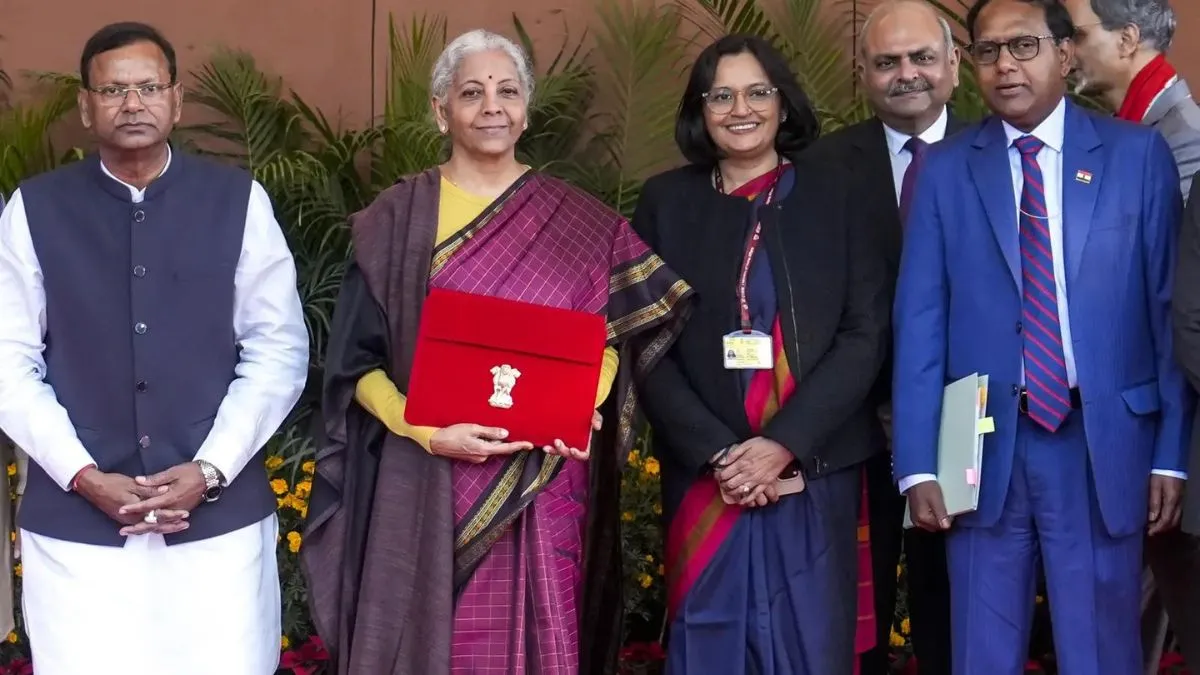
In Budget 2026, Finance Minister Nirmala Sitharaman unveiled a focused push to position the North-East as a major spiritual and cultural tourism destination, announcing a new scheme to develop Buddhist circuits across six North-Eastern states. The initiative spans Arunachal Pradesh, Sikkim, Assam, Manipur, Mizoram, and Tripura, with the aim of strengthening pilgrimage tourism while preserving the region’s deep-rooted Buddhist heritage.
The scheme focuses on conservation of temples and monasteries, development of pilgrimage interpretation centres, improved connectivity, and upgraded pilgrim amenities to support year-round tourism. Complementing this cultural push, the Budget also announced 4,000 electric buses for the North-East, reinforcing sustainable mobility and last-mile access for tourists and locals alike. Together, these measures signal a dual strategy, heritage-led tourism growth paired with green infrastructure, positioning the North-East as both spiritually significant and future-ready.
Electric buses for greener tourism mobility
The Union Budget 2026 proposes the deployment of 4,000 electric buses to strengthen last-mile connectivity across major tourist and pilgrimage destinations. The move aims to cut emissions, ease congestion at heritage sites, and make tourist transport quieter, cleaner and more efficient, especially in eco-sensitive and high-footfall zones.
Buddhist circuits across the North-East
Budget 2026 also prioritises the development of Buddhist tourism circuits across six North-Eastern states, positioning the region as a key spiritual and cultural destination. The plan focuses on improving infrastructure, access roads, visitor amenities and interpretation centres around historically significant Buddhist sites, with the dual goal of boosting tourism-led livelihoods and preserving heritage.
Taken together, the push for 4,000 electric buses and the development of Buddhist circuits across six North-Eastern states signal a clear shift in how tourism is being reimagined, cleaner, more inclusive and deeply rooted in cultural storytelling. By pairing sustainable mobility with heritage-led destination building, Budget 2026 positions tourism not just as an economic driver, but as a long-term investment in regional identity, livelihoods and low-impact travel that actually respects the places people come to experience.
Although the Budget documents stop short of detailing routes or rollout phases, the emphasis on circuit-based transport suggests an integrated approach, where heritage tourism, green transport and regional development move in tandem, proof that the road to enlightenment, this time, may actually come with charging points.
Also read: Union Budget 2026: 10 key tourism announcements by FM Nirmala Sitharaman
