
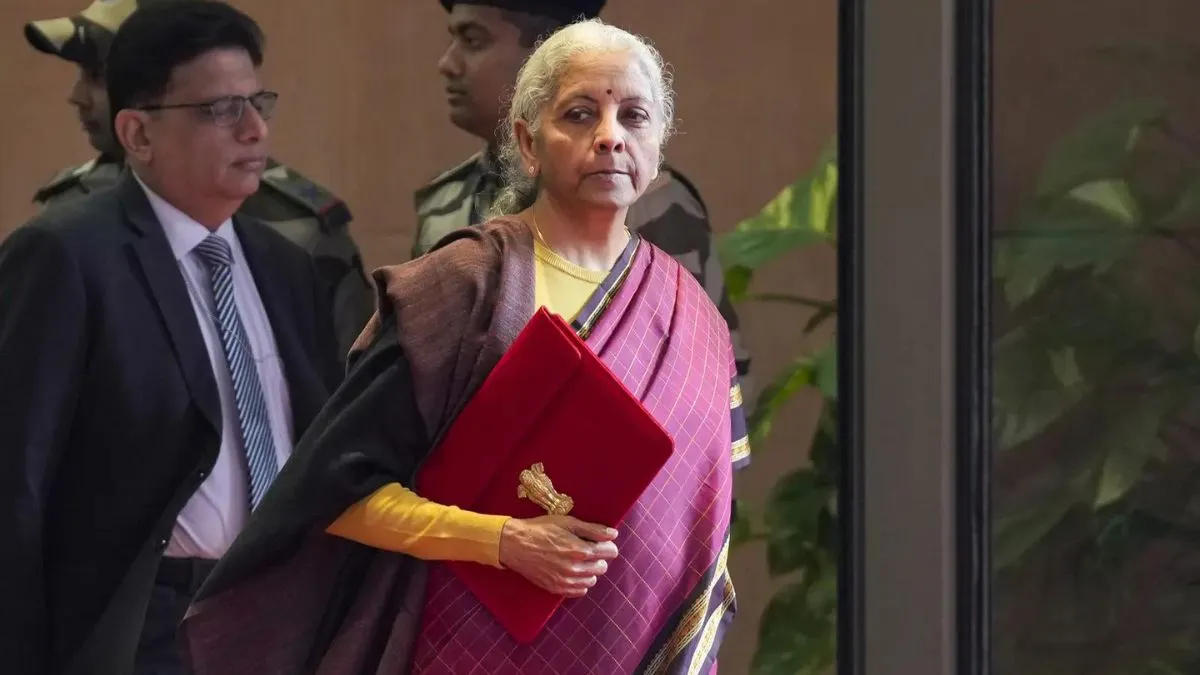
In Budget 2026, Finance Minister Nirmala Sitharaman announced plans to develop 15 archaeological sites into immersive cultural destinations, signalling a shift from sightseeing to experience-led tourism. The idea is simple but strategic: preserve India’s civilisational heritage while making it more accessible, engaging, and economically viable for both domestic and international travellers.
Key sites proposed for development include Lothal, Sarnath, and Hastinapur. The focus is on creating “vibrant experiential destinations” through better visitor infrastructure, interpretation centres, curated cultural experiences, and improved connectivity. Beyond tourism footfalls, the initiative aims to generate local employment, strengthen heritage conservation, and position India’s ancient sites as living narratives rather than static monuments.
During her Budget presentation, the Finance Minister said the government will “develop 15 archaeological sites, into vibrant experiential cultural destinations”, including “15 archaeological sites, including Sarnath and Hastinapur”.
Nirmala Sitharaman also proposed the development of "ecologically sustainable" mountain trails in Himachal Pradesh, Uttarakhand and Jammu and Kashmir and setting up a 'National Institute of Hospitality'. "The tourism sector has a large role to play in employment generation, foreign exchange earnings and expanding the local economy. I propose to set up a National Institute of Hospitality by upgrading the existing National Council for Hotel Management and Catering Technology," she said.
It will function as a "bridge" between academia, industry, and government, the FM said. In her speech, the finance minister further proposed to "develop 15 archaeological sites", including Lothal, Dholavira, Rakhigarhi, Sarnath, Hastinapur, and Leh Palace into "vibrant experiential cultural destinations".
"Excavated landscapes will be opened to the public through curated walkways, immersive storytelling skills, and technologies will be introduced to help conservation labs, interpretation centres and guides," she said.
The focus is on improving site conservation, visitor facilities, interpretation centres, accessibility, and last-mile connectivity, while ensuring preservation norms are maintained. These sites are intended to be developed as tourism-ready heritage destinations, generating local employment and supporting regional economies. These hubs are expected to integrate interpretation centres, guided trails, cultural programming and digital documentation, dovetailing with the proposed National Destination Digital Knowledge Grid. Together, they reflect a forward-looking tourism strategy where archaeology is not frozen in time, but thoughtfully activated, inviting visitors to linger longer, learn deeper, and, ideally, leave with more than just camera-roll memories.
Also read: Union Budget 2026: 10 key tourism announcements by FM Nirmala Sitharaman
