
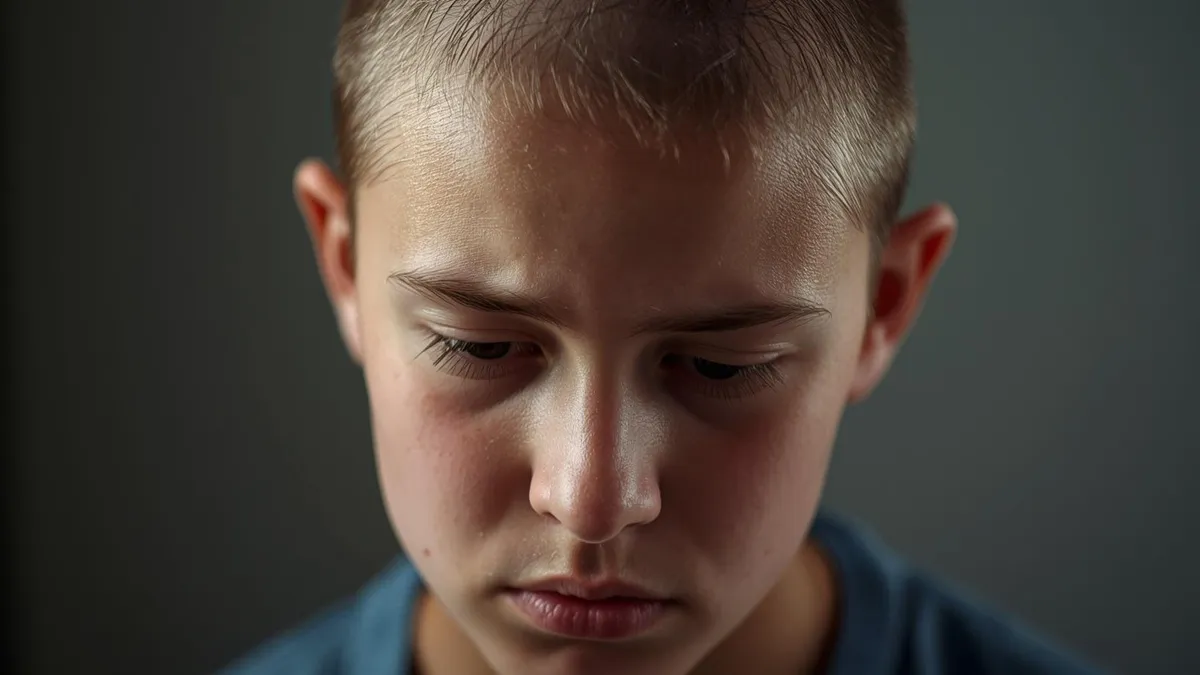
Losing a noticeable amount of hair in your teens can feel alarming. Most young people assume hair fall is something that only happens to older adults, so when they start finding clumps on their pillow or in the shower drain, it's easy to panic. The truth is, teenage hair fall is more common than most people realize — and in most cases, it's happening for very specific, identifiable reasons.
Why Teenagers Experience Hair Fall
Hair grows in cycles. At any given time, some of your hair is actively growing, some is resting, and some is naturally shedding. When the body goes through significant changes — which is exactly what happens during the teenage years — this cycle can get disrupted. The result is more hair in the resting or shedding phase than usual.
Puberty brings a surge in hormones, particularly androgens. In some teenagers, hair follicles are sensitive to these hormones, which can cause them to shrink and produce thinner, shorter strands over time. This is not just a pattern seen in adults. It can begin as early as 13 or 14.
Common Causes That Are Often Overlooked
Not all teenage hair fall comes from hormones. There are several other triggers that are frequently missed:
-
Nutritional deficiencies — Low levels of iron, zinc, vitamin D, and B12 are among the most common culprits. Teenagers who skip meals, follow restrictive diets, or eat mostly processed food are especially vulnerable.
-
High stress levels — Academic pressure, social anxiety, and irregular sleep patterns cause a spike in cortisol, which directly interferes with the hair growth cycle.
-
Scalp health issues — Dandruff, seborrheic dermatitis, and fungal infections on the scalp can weaken roots and accelerate shedding.
-
Tight hairstyles — Consistently pulling hair into tight ponytails or braids puts traction on the follicle, which over time leads to a condition called traction alopecia.
-
Thyroid imbalances — Thyroid dysfunction, even in teenagers, can significantly affect hair growth. It is often undiagnosed because it is not the first thing doctors check at this age.
The Role of Diet in Teenage Hair Health
The connection between food and hair is more direct than most people appreciate. Hair follicles are among the fastest-dividing cells in the body. They need a constant, steady supply of nutrients to keep functioning properly.
Iron deficiency is particularly important to understand. When iron levels drop, the body prioritizes sending oxygen to vital organs over the scalp. Hair follicles end up deprived of what they need, and shedding increases. This is especially common in teenage girls who have recently started menstruating.
Protein matters too. Hair is made almost entirely of a protein called keratin. A diet that is low in good-quality protein — whether because of calorie restriction or just poor food choices — slows down hair production at the root level.
Stress and Its Underestimated Impact
Teenagers today deal with a level of chronic, low-grade stress that their bodies are not always equipped to handle. Exam cycles, social media pressure, changes in friend groups, identity shifts — all of these add up.
When stress becomes sustained rather than occasional, it pushes more hair follicles into a resting phase simultaneously. The result is a sudden increase in shedding that typically shows up two to three months after the stressful period. This is called telogen effluvium, and it is reversible — but it first requires recognizing stress as the cause.
Approaching the Problem the Right Way
The biggest mistake most people make with teenage hair fall is treating it symptomatically without understanding what is actually driving it. Using a new shampoo or applying an oil might provide some surface-level comfort, but if the underlying cause is an iron deficiency or a hormonal imbalance, those approaches will not resolve the problem.
Some comprehensive approaches, like Traya, are built around diagnosing the root cause before recommending any treatment. That kind of structured thinking is exactly what teenage hair fall needs — because the cause in one teenager may be completely different from the cause in another.
Final Thoughts
Teenage hair fall is real, it is common, and it is often fixable. But the path to fixing it starts with asking the right questions. Is this hormonal? Is there a nutritional gap? Is stress playing a bigger role than expected? Once you understand what is happening beneath the surface, the solutions become much clearer. And more often than not, early attention to this problem prevents it from becoming something harder to manage in adulthood.
(Disclaimer: This is sponsored content. The liability for the article solely rests with the provider. The content has not been verified by the India TV channel and IndiaTVNews.com.)
