
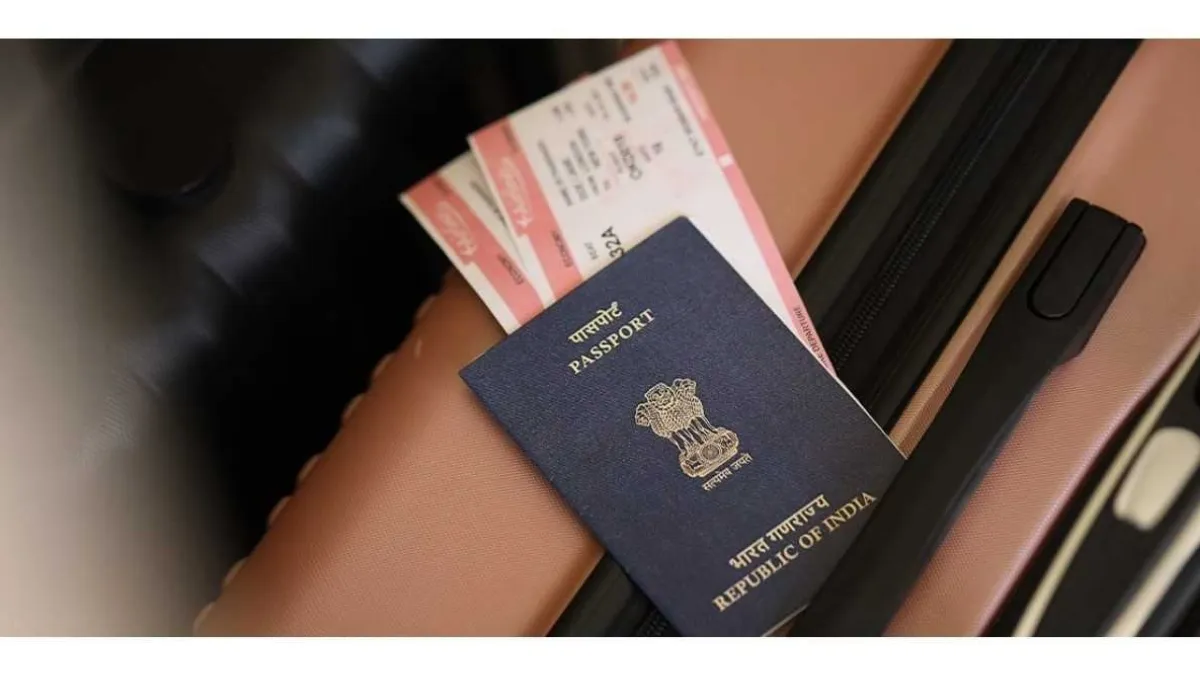
India's international travel has increased in recent years, with more than 30 million Indians travelling overseas. It highlights the country’s growing global mobility and rising discretionary spending. A recent Hansa Research survey found that 100% of recent Indian international travellers intend to travel abroad again, underscoring strong repeat demand. Millennials are leading this surge, redefining travel as a lifestyle priority rather than an occasional indulgence.
Yet during this rapid rise in global mobility, one question remains largely unexamined: why are currency exchange costs still so high? While travellers plan itineraries down to the last detail, many continue to lose value at the point of money exchange, often paying far more than the real-time converted value of their currency. The primary factor? Hidden markups and opaque exchange practices.
The true cost of currency exchange
For most travellers, the exchange of currency appears simple:
-
Check the conversion rate
-
Convert the amount
-
Pay the amount intended for conversion
Hidden markups and spreads raise the real currency exchange cost. Choosing transparent options, such as zero-markup forex cards from providers like Niyo, helps you understand the true cost before you pay.
Exchange rate markup vs mid-market rate
The mid-market rate or interbank rate refers to the real-time rate at which global currencies are traded. It’s the rate seen on Google or financial news sites. However, banks and money exchange providers add a markup, slightly worsening the rate. For example: If the mid-market rate is 1 USD = ₹83, a provider may offer ₹85 per USD. That ₹2 difference is the markup you pay on every dollar exchanged.
Hidden fees: Commission, service charge, and spread
Beyond the exchange rate markup, there are often additional charges that travellers overlook.
-
Some providers charge a visible commission or service fee.
-
Others build their earnings into the spread, i.e., the difference between the buying and selling price of a currency.
In many cases, these costs are not presented in one clear figure and are distributed over various components, making it harder for customers to calculate the conversion cost.
Major factors driving high currency exchange costs
Even as more Indians travel abroad, many still pay more than expected when exchanging money, and the reasons go beyond simple service fees. Several structural and market factors contribute to the high costs of currency exchange.
1) Low transparency in pricing among providers
Many banks and exchange services do not openly disclose how much they earn from currency conversion. Instead of showing the real mid-market rate and the markup separately, they bundle costs into the exchange rate itself, making it difficult for users to see the true cost.
2) Operating costs of physical forex outlets
Physical forex counters and bank branches have higher overhead costs, including rent, staff, security, and infrastructure. These operating costs are often passed on to customers in the form of wider spreads and less competitive exchange rates, making foreign exchange more expensive than online or fintech alternatives.
3) Airport exchange counters and convenience pricing
A lot of people choose exchange kiosks at airports due to the convenience factor, however these kiosks usually come with a price premium. Due to high rental expenses and limited competition in captive airport environments, these counters typically offer unfavourable rates and higher markup, leading to less foreign currency for travellers' money.
4) Lack of competition in some locations
In many small cities, foreign exchange options are limited. With fewer providers in the location, there is less competitive pressure to offer better rates. As a result, existing players can sustain higher margins, usually leading to inflated exchange rates and additional charges for consumers who have limited alternatives.
Impact on Indian travellers
For most Indian travellers, the exchange of currency seems like a small line item in a much larger travel budget. But even a difference of a tiny percentage in the exchange rate can quietly snowball into a significant loss.
For example, a 3–5% markup on the exchange rate may not look like a big concern at first. But on a ₹2 lakh international holiday or education payment, that could mean paying ₹6,000–₹10,000 extra money that could have been used for other purposes. The higher the spend, the steeper the hidden cost.
Many travellers proudly say they chose a “zero-fee” option. Yet the real cost is often embedded in the exchange rate itself, which is slightly inflated, barely noticeable, but consistently applied.
Why online currency exchange tools still aren’t universal
With digital forex platforms available today, it’s easy to assume everyone has moved online. But the reality is slightly more nuanced. Despite numerous benefits, online exchange tools haven’t yet become the default choice for all Indian travellers.
1) Awareness and adoption gaps
A large segment of travellers still associates the exchange of foreign currency with physical counters like banks, kiosks, etc. They are unaware of the fact that digital platforms can offer more competitive rates or greater transparency. Moreover, for first-time international travellers, currency exchange is often an afterthought, handled hurriedly at the airport rather than researched in advance.
2) Trust issues with digital providers
Money matters, especially exchange rates, feel sensitive. Some users worry about hidden charges, delayed transfers, failed transactions, or unclear refund policies when using online platforms. Trust takes time to build, and not all platforms communicate their pricing clearly enough to earn it.
3) Tech barriers for some users
While urban travellers may be comfortable comparing live rates and completing transactions on an app, not everyone is. Limited digital literacy, language barriers, patchy internet connectivity in smaller towns, or discomfort with online KYC processes may cause friction. Even small technical problems like application glitches, document uploads, and OTP failures can frustrate the users and push them back toward offline options.
Smarter ways to minimise currency exchange costs
The good news? Exchange-rate losses aren’t inevitable. But with a little planning and awareness, travellers can considerably reduce unnecessary costs and make their money stretch further abroad.
1) Compare rates before exchanging
Not all providers offer the same rate. Thus, it becomes very crucial to compare rates across banks, authorised forex dealers, and digital platforms to get the best value for the money. Comparing not only the headline rate but also the final amount received after all charges can result in considerable savings, particularly for larger transactions.
2) Use prepaid forex cards to lock in better rates
Prepaid forex cards allow travellers to load foreign currency at a fixed rate before departure. This helps them lock in favourable rates and protects against sudden currency fluctuations.
Zero forex markup cards further enhance savings by eliminating additional percentage markups on international transactions, making foreign exchange more transparent and cost-effective.
3) Avoid airport counters when possible
Airport exchange counters are fairly convenient, and they price that convenience accordingly. Rates at airports are typically less competitive due to high operating costs and captive demand. Planning and exchanging currency before reaching the airport can help avoid paying a premium.
4) Time purchases when rates are favourable
Exchange rates fluctuate daily. Travellers with adequate time before departure can monitor trends and convert currency when rates move favourably, resulting in noticeable savings on high-value transactions.
How digital platforms are helping travellers
Digital forex platforms have simplified one of the most confusing parts of international travel: currency exchange. Instead of relying on opaque counters or guesswork, travellers now have access to tools that put insight and control back in their hands.
A key shift has been the transparent, real-time exchange rate visibility. Travellers can see how currencies are priced at any given moment, helping them make well-informed decisions rather than relying on advertised claims. Many platforms also offer comparison features to help users evaluate multiple providers and choose the most cost-effective option before converting their money.
Platforms such as Niyo exemplify this transparency-first approach with their zero forex markup cards. Designed with zero markup on international spends, it allows users to transact at live Visa exchange rates, avoiding extra markups. Through their app, travellers can view real-time conversions, track transactions instantly, and manage multi-currency spending with ease.
Conclusion
As international travel becomes routine for millions of Indians, the hidden costs of exchange can no longer be ignored. Markups, spreads, and opaque pricing continue to push up money exchange expenses, often without travellers realising it.
The solution lies in being aware and making smarter choices. Comparing rates, planning ahead, and using transparent foreign exchange tools can greatly reduce unnecessary losses. In the end, better decisions at the point of conversion mean more value from every trip abroad.
Indian travellers often choose services that promise “zero fees”, yet many still end up paying more than the real-time converted value of their currency. Wondering why? It’s not just the visible fees, but the padded charges on the exchange rate and conversion traps that they are unaware of.
(Disclaimer: This is sponsored content. The liability for the article solely rests with the provider. The content has not been verified by the India TV channel and IndiaTVNews.com.)
