
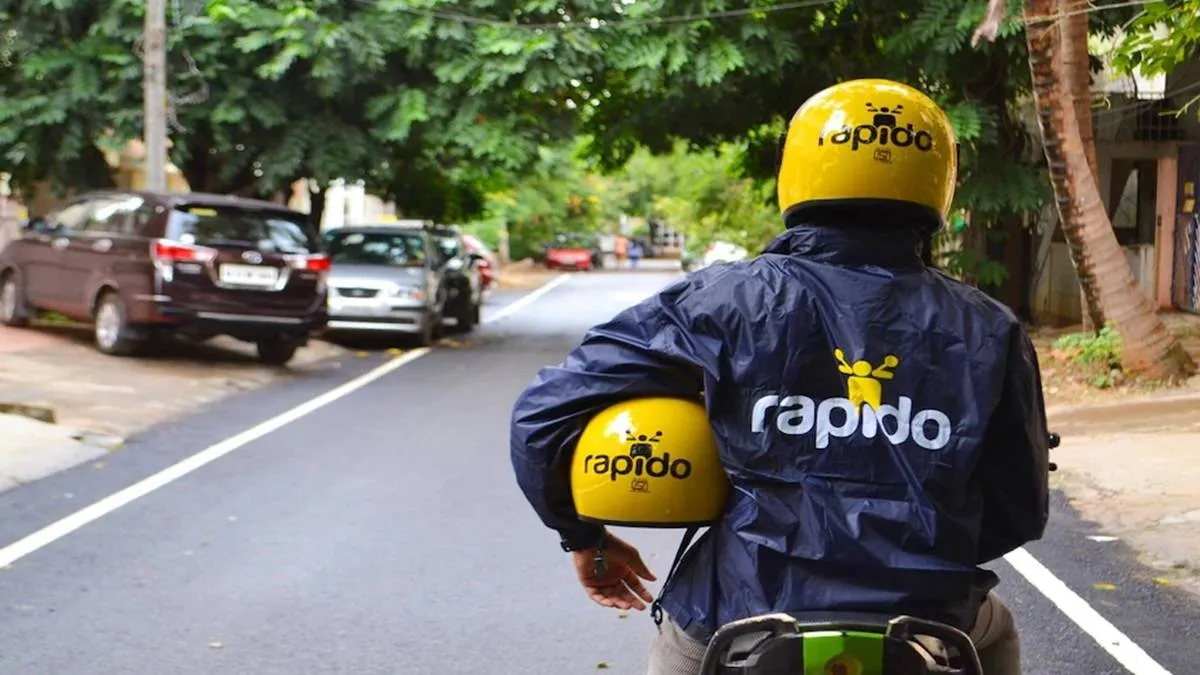
The Central government has made a significant announcement: for the first time, private motorcycles can be used to share rides with passengers through ride-hailing apps such as Ola, Uber and Rapido, but this will depend on approval from state governments. This decision is considered an important move towards creating clearer rules for the ride-sharing industry in India, helping to improve transportation options for everyone. The Ministry of Road Transport and Highways stated that the 'Motor Vehicles Aggregator Guidelines 2025' aim to establish a light-touch regulatory system while addressing safety and security concerns for users, as well as the welfare of drivers. According to the new guidelines, state governments have the authority to allow the aggregation of non-transport motorcycles for passenger journeys as a form of shared mobility, which is expected to reduce traffic congestion and vehicular pollution while offering affordable mobility options and creating job opportunities.
The guidelines also indicated that state governments could impose fees on aggregators for the authorisation of non-transport motorcycles to operate passenger journeys, with charges determined on a daily, weekly, or fortnightly basis.
Beneficial for bike taxi operators
This development is particularly beneficial for bike taxi operators such as Rapido and Uber, who have been navigating a legal grey area, especially in states like Karnataka, where a recent ban on bike taxis provoked significant protests. Major industry players expressed their approval of the new regulations, recognising their potential to foster innovation, enhance affordable mobility, and generate new employment opportunities.
In 2020, the Ministry had previously issued the 'Motor Vehicle Aggregator Guidelines 2020' under Section 93 of the Motor Vehicles Act, 1988. Since then, the shared mobility landscape in India has experienced dynamic changes, with increasing demand for diverse mobility solutions such as bike-sharing, electric vehicle (EV) introductions, and auto-rickshaw rides.
The revisions to the guidelines reflect the need to update the regulatory framework in line with the evolving motor vehicles aggregator ecosystem, while continuing to prioritise user safety and driver welfare.
ALSO READ: Govt proposes new, distinct registration plate system for hydrogen-powered vehicles
