Defunct Soviet Satellite could crash into Earth next week: Scientists warn of rare impact risk
A Soviet-era satellite named Kosmos 482, launched in 1972, is expected to reenter Earth’s atmosphere between May 7 and 13, 2025. Scientists warn the car-sized spacecraft could partially survive the fall and impact somewhere between 52°N and 52°S latitude.
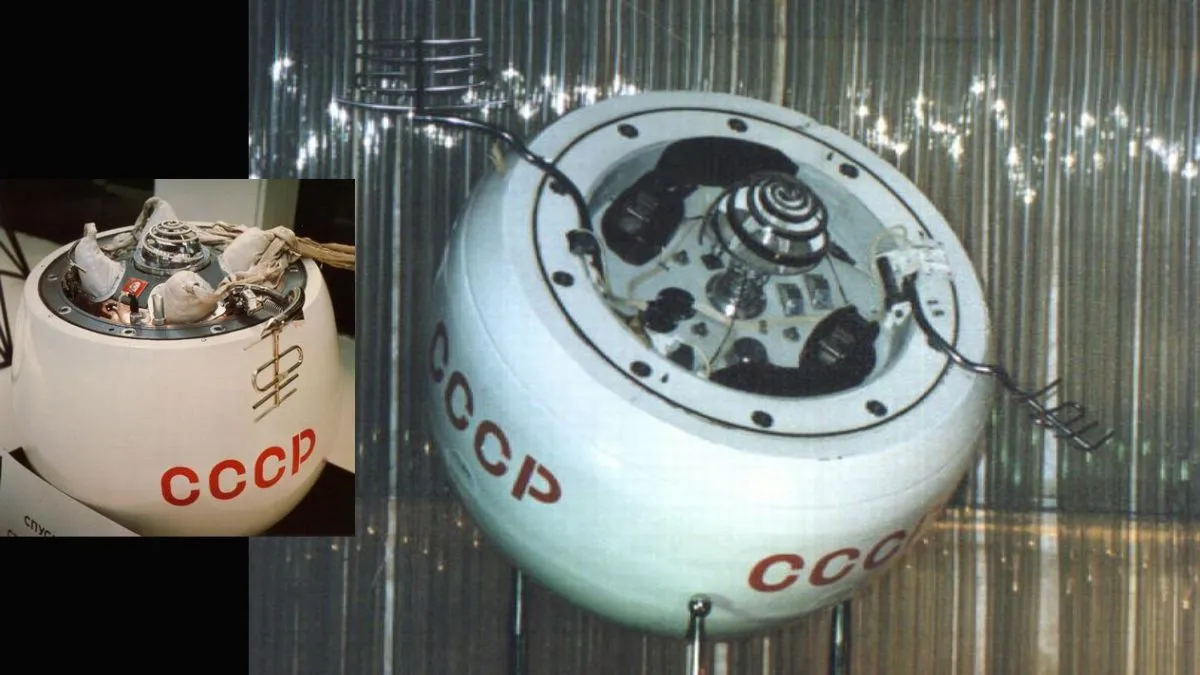
A defunct Soviet satellite (from Russia), named Kosmos 482, is making an unexpected return to Earth after spending more than 50 years in space since it was launched. Experts have reportedly warned that the car-sized spacecraft could partially survive atmospheric reentry and crash somewhere on Earth by next week, between May 7 and May 13, 2025.
Originally meant for Venus, now spiralling back!
Launched in March 1972 by the former USSR, Kosmos 482 was designed to gather data from Venus’ surface. But a booster malfunction left it stranded in Earth's orbit, where it has been circling ever since. Now, decades later, gravity is pulling it back fast, reported the New York Post.
Reentry may be risky, but not catastrophic
According to space expert Jonathan McDowell, the spacecraft “might well survive” reentry due to its rugged design, which was originally built to withstand Venus’ harsh conditions. Dutch astronomer Marco Langbroek echoed these concerns, saying its high-impact landing could resemble “a car falling out of the sky at over 100 mph.”
Weighing around 500 kg (1,100 lbs) and measuring over 1 meter wide, the satellite’s remnants could pose a risk similar to a meteorite impact, Langbroek noted.
Where will it land?
While it’s impossible to predict the exact impact zone, the satellite is expected to land somewhere between 52 degrees North and 52 degrees South latitude — an area that includes most of Europe, Asia, the Americas, Africa, and Australia. However, most likely, it will crash into the ocean or uninhabited land.
Should you be worried?
Experts say the odds of it hitting a person are extremely low — about 1 in 10,000 for anyone globally, and 1 in 10 billion for an individual.
McDowell joked, “No need for major concern, but you wouldn’t want it bashing you on the head.”
If the satellite causes damage or injury, Russia could be held legally liable under international space law.