SIR in Delhi after Bihar, EC asks voters to check names in voter list | DETAILS
As part of a nationwide Special Intensive Revision (SIR) of voter lists, the Election Commission (EC) has urged Delhi residents to verify their names on the electoral rolls.
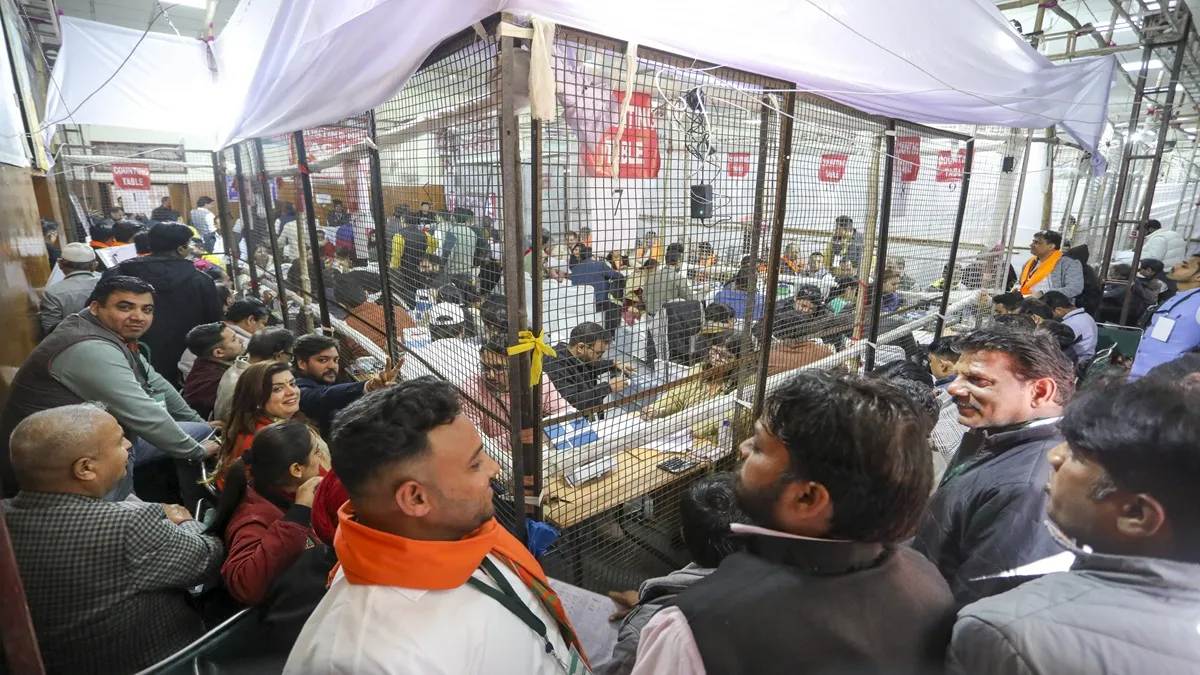
The Election Commission (EC) has initiated a Special Intensive Revision (SIR) of the voter list in Delhi, asking residents to check their names and those of their parents on the 2002 voter rolls. This move follows a similar process in Bihar, where voters were asked to submit identity and residence proofs if their names weren’t listed on the older voter rolls. For individuals already registered on the 2002 list, only an enumeration form will be required to remain on the rolls. Those whose names do not appear in the 2002 list but whose parents are listed will need to provide additional documentation, including identity proof and an extract of the 2002 voter list for their parents.
How will the special revision work in Delhi
The Delhi chief electoral officer (CEO) has asked voters to review the 2002 voter list to check their names and their parents' names. This is particularly important for the upcoming house-to-house (H2H) visits by booth-level officers (BLOs) who will be collecting enumeration forms and supporting documents. For those already on the 2002 rolls, the process is simpler. They will only need to submit an enumeration form along with a copy of the 2002 voter list. However, if their name is missing, they will need to submit additional identity proof, as well as an extract from the 2002 list showing their parents' names.
Voter list and SIR information available online
To make the verification process easier, the Delhi Election Commission has updated its website with key resources. One tab features the full 2002 voter list, allowing residents to search by voter card number or other details. Another tab is dedicated to the SIR process, with updates on constituency boundaries that were redrawn in subsequent years.
BLOs have been appointed for all assembly constituencies, and relevant election officers have been trained to assist voters with the revision process.
Nationwide SIR revision
The SIR process in Delhi is part of a broader nationwide effort by the Election Commission to ensure the integrity of voter rolls. Similar revisions are being carried out in other states, including West Bengal, where elections are due next year. The Election Commission aims to ensure that only eligible voters are included on the rolls, and that no ineligible individuals are listed.
In Bihar, where the elections are set to begin next month, a similar revision of the voter rolls is taking place with a 2003 cutoff. The process has been contentious, with opposition parties accusing the ruling BJP of attempting to disenfranchise voters, particularly those from marginalized communities. In Bihar, the SIR process sparked political debates over the need for additional documentation, such as proof of identity, beyond regular documents like Aadhaar or ration cards. The opposition raised concerns that this could lead to people being unfairly excluded from the electoral rolls.
Despite the political outcry, the Election Commission has defended the SIR process, stating that its primary goal is to ensure the accuracy and inclusivity of voter lists. The process has already led to a reduction in the number of registered voters in Bihar, from 7.9 crore to 7.24 crore, though objections continue to be raised.