- News
- Lifestyle
- Spirituality
- Makar Sankranti 2026: How kite flying became linked to the auspicious festival in North and West India
Makar Sankranti 2026: How kite flying became linked to the auspicious festival in North and West India
Kite flying is an iconic part of Makar Sankranti celebrations. Here’s why the tradition began, what it symbolised, and how it became central to the festival over time.
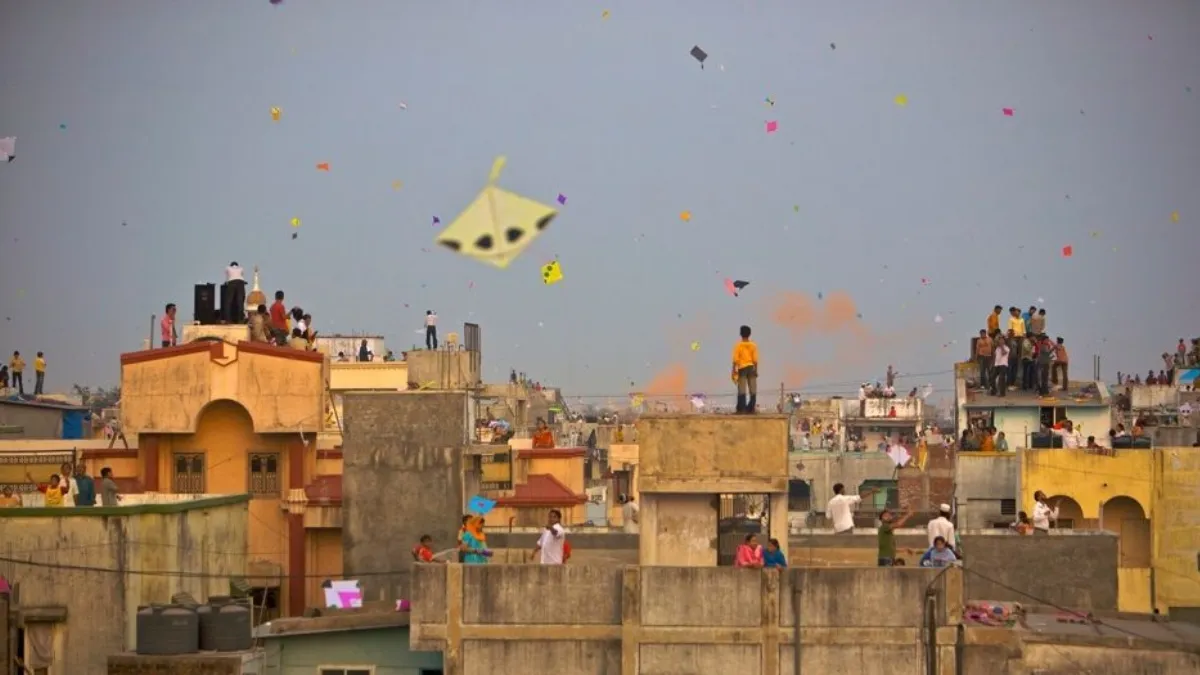
Every year around mid-January, as the cold winter air begins to soften, rooftops across Gujarat, Rajasthan, Delhi, Uttar Pradesh and Maharashtra burst into colour. The sky fills with bright kites, laughter echoes from terraces, and cries of “Kai Po Che!” cut through the afternoon air.
Although kite flying can now be looked at as a way of celebrating Makar Sankranti, it wasn't always like that. Kite flying began as a ceremony that celebrated many of these health beliefs and our relationship with the sun itself.
What Makar Sankranti really celebrates
Makar Sankranti marks the day the sun begins its northward journey (Uttarayan), entering the zodiac sign of Capricorn (Makara). Unlike many Indian festivals, it follows the solar calendar, which is why it falls on January 14 almost every year. However, this year it will be celebrated on January 14 and also on January 15.
Traditionally, this shift was seen as highly auspicious, a time when longer days return, crops are harvested, and life slowly moves out of winter’s grip. Communities celebrated with gratitude, prayer and outdoor gatherings.
How kite flying symbolised a connection with the sun
Kites symbolised more than fun. Watching them rise high into the open sky was seen as a symbolic connection with the sun god. The act of looking upward, holding the string, and following the kite’s movement encouraged people to stay in the sun for long periods, unknowingly supporting vitamin D absorption.
Over time, what started as a simple activity turned into a ritual, woven deeply into the Sankranti celebration.
Gujarat and Rajasthan: Where kite flying turned into a festival
In Western India (the states of Gujarat and Rajasthan), the artistic and technical achievements of kite-fighting had become much more elaborate than before.
For the first time, an organised community experienced an unusual, friendly type of battle. Three to four weeks before an event, families prepared by buying spools of brightly colored thread and beautifully decorated kites. Rooftops of most homes were turned into a battlefield where neighbours engaged in friendly competitions and celebrated each other's victories with laughter and food. The state of Gujarat, in time, nurtured this friendly form of competition into what is now known as the Uttarayan International Kite Festival, where participants from all over the world come to compete in the annual festival.
In the beginning, kite cutters celebrated with cheers of KAI PO CHE! The spirit of competition and the excitement of kite flying have since morphed this original expression into a playful expression of victory or defeat.
How the Makar Sankranti kite flying tradition is evolving today
Modern celebrations are becoming more mindful. Awareness about bird safety and environmental impact has led many communities to discourage harmful strings and promote eco-friendly alternatives.
Even as the materials change, the spirit remains untouched: colourful skies, warm sunshine, and the joy of togetherness.
ALSO READ: Not celebrating Makar Sankranti 2026 on January 14? Here’s the muhurat for January 15