Fake potatoes are being sold in markets; here’s how to spot and avoid them
They look spotless and perfect, but that potato in your basket could be fake. Here’s how to spot chemically treated tubers, stay safe, and shop smart.
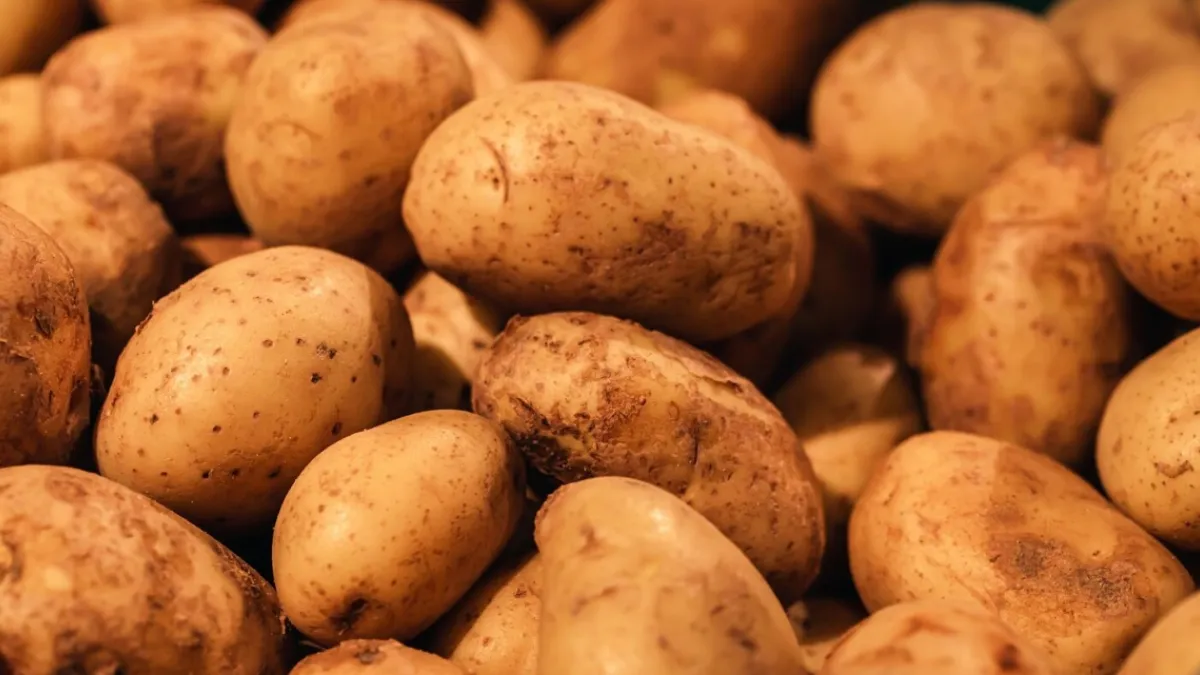
It's not only fruit and packaged snacks now; even staples like potatoes are being tampered with. Recently, there have been reports claiming that fake or chemically treated potatoes are being sold, which is something for every shopper to be considerate of.
These fake potatoes often have toxic chemicals or artificial coatings to make them look newer or fresher. While they may look perfect but consuming them could lead to digestive problems, allergies, or even long-term damage to your organs.
How to identify fake potatoes at home
Here are some simple, practical tests to check if the potatoes you buy are genuine:
- Smell it: A real potato has a natural, earthy fragrance. If what you're holding smells sharply of chemicals or has a strong artificial scent, it’s a warning sign.
- Check the colour inside and out: Slice the potato. A normal one will have a uniform colour (inside & outside) and natural texture. If the inside is discoloured, patchy or weirdly pale/bright, it could be treated.
- Rub-off test: Lightly rub the surface or peel a bit of the skin. If colour or coating comes off easily on your hand or a cloth, that’s suspicious.
- Water test: Fill a bowl with water and drop in the potato. Authentic ones are dense, solid and typically sink. Fake ones, possibly hollow, chemically treated or lighter, may float.
- Skin and texture check: Real potatoes usually have a slightly rough, thin skin you’ll need to scrub. If the skin is unnaturally smooth, thick or comes off too easily, it could be a red flag.
What to do if you suspect fake or treated potatoes
- Buy from trusted vendors or those you’re confident about.
- If a potato looks too good to be true (e.g., unusually clean, bright, perfect shape), ask questions, inspect carefully.
- Wash and peel well before cooking; when in doubt, discard the tuber instead of risking health.
- Spread awareness: tell family/friends about these simple checks so that more people stay safe.
Why awareness about food safety matters
We all rely on simple foods like potatoes for daily meals. But when those basics get tampered with, the risks may not show up today—but they might surface later. By pausing for a moment and applying these quick tests, you’ll go home with produce you trust. After all, safe food starts at the base level: what’s in your basket.
ALSO READ: Fake Paneer Alert: Know the health symptoms and ways to spot adulterated paneer