Amla: The Ayurvedic secret to balancing your Vata, Pitta and Kapha
Discover how amla (Indian gooseberry) supports balance across Vata, Pitta, and Kapha through its tridoshic properties. With benefits for immunity, digestion, skin, and more, learn easy ways to use amla daily, plus precautions.
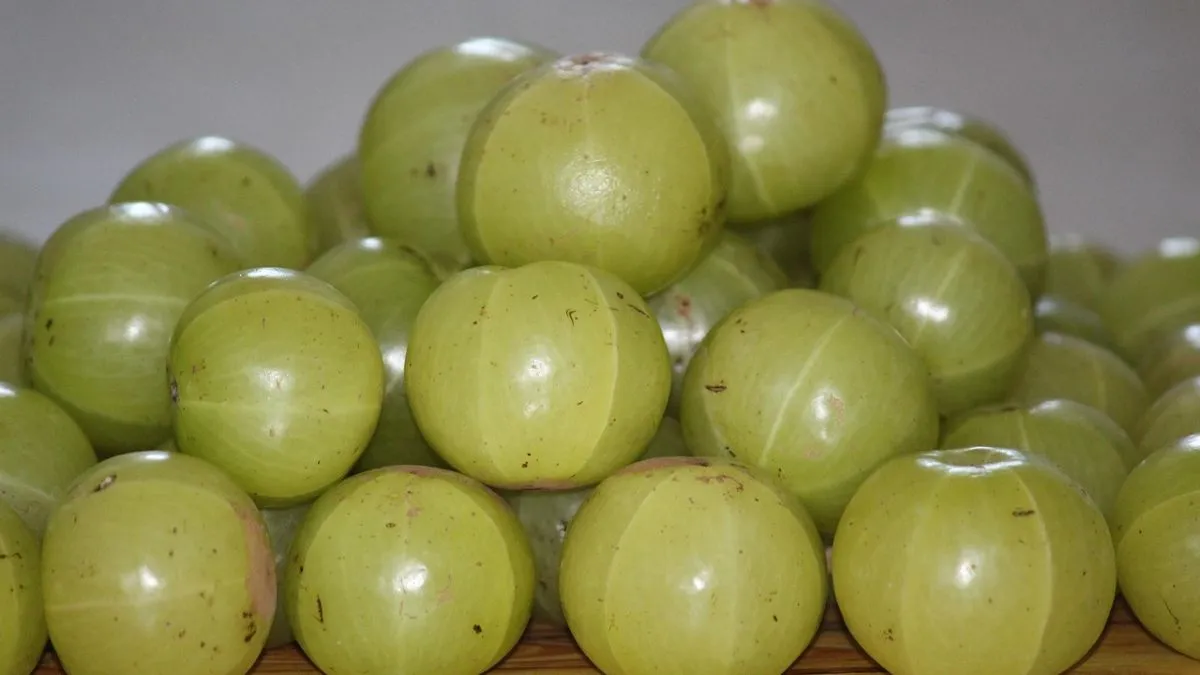
Amla, or Indian gooseberry, is one of Ayurveda’s most celebrated fruits. Revered as “tridoshic,” it is believed to bring balance to all three doshas: Vata, Pitta, and Kapha. It is all thanks to its high vitamin C, antioxidants, and various nutrients.
In its natural, raw form or treated gently (powder, juice, murabba), amla offers ways to soothe fiery Pitta, soothe erratic Vata, and clear the sluggish heaviness of Kapha. Ayurveda and modern sources both suggest it’s more than just a fruit; it’s a wellness ritual.
Also read: Chewing Amla leaves may help detoxify and remove toxins from the body, beneficial in these diseases
What are the doshas, and how does amla interact with them?
Doshas are Ayurvedic principles representing bodily energies: Vata (movement, air), Pitta (heat, transformation), and Kapha (structure, stability). Imbalances in any one can lead to physical or mental issues.
Popularly known as "tridoshic", Amla has such qualities that may soothe, cool, or brighten, respectively, Vata's dryness and restlessness, Pitta's heat and inflammation, and Kapha's heaviness and congestion.
Science-backed benefits of amla
Amla is rich in vitamin C, tannins, polyphenols, and antioxidants, which help in immunity, detoxification, and reducing oxidative stress.
It helps digestion (Ayurvedic “agni”) and may assist in managing acidity, lowering cholesterol, improving blood sugar regulation, and supporting liver health.
For Kapha-dominant imbalance (mucus, sluggishness, congestion), amla’s astringent and light properties are helpful. For Pitta excess (inflammation, heat, irritability), its cooling nature works. And for Vata (dryness, anxiety), its moisturising, grounding effect aids.
How to include amla in daily life
- Drink fresh amla juice diluted with water in the morning.
- Use amla powder mixed into warm water, smoothies, or herbal teas.
- Eat raw amla or as murabba (sweet preserves) or chutney.
- Use amla in hair oils and skin treatments, as its antioxidant effects benefit skin and hair.
Precautions and what to watch out for
- Those with digestive sensitivity or aggravated Kapha (e.g., heavy cough, mucus) should start with small amounts.
- If you have hypochlorhydria or peptic ulcer issues, acidity may irritate you. Use moderation.
- Consult your healthcare or Ayurvedic expert before taking amla supplements with other medications (especially diabetes or liver conditions) to prevent interactions.
More than a centuries-old fruit, amla is wholly versatile in Ayurveda, acting as an adjunct of balance, immunity, digestion, and vitality. It calms Vata, cools Pitta, and decreases Kapha, thus ensuring wellness naturally in easy yet included daily life. Use it mindfully, and your body will most probably thank you for it.
Also read: Amla is beneficial in controlling diabetes as it absorbs sugar from blood; know ways to consume