Doctor reveals why pregnant women must be extra cautious about dengue and malaria
Dengue and malaria can be life-threatening during pregnancy, causing risks like preterm labour, low birth weight, and stillbirth. Dr Puneet Rana Arora explains why expecting mothers must be extra cautious and how early prevention can protect both mother and baby.
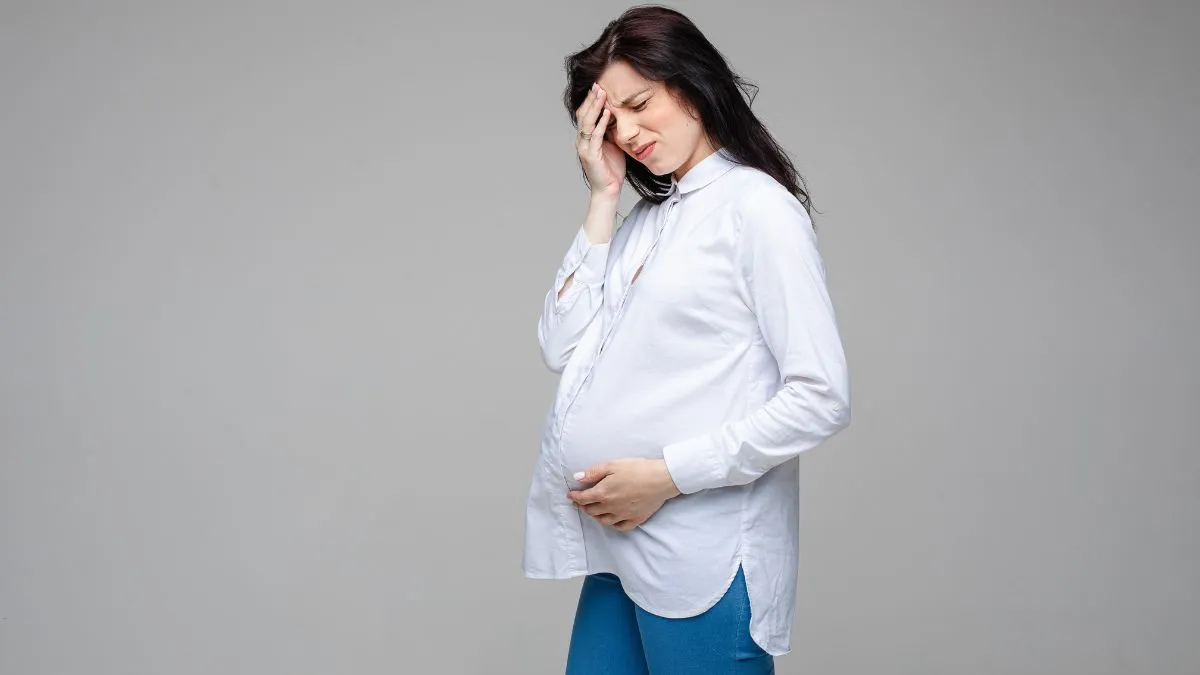
In tropical and subtropical regions, vector-borne diseases like malaria and dengue remain pressing public health challenges. While dangerous for anyone, they can be especially devastating during pregnancy, endangering both the mother and the unborn child.
We spoke with Dr Puneet Rana Arora, reproductive health expert at CIFAR, Gurugram, who highlighted the heightened risks. “Both dengue and malaria are very dangerous for pregnant women and may result in serious complications in the mother and the unborn baby,” she said. Let's get into details:
Also read: Not just awareness! Doctor explains how to truly stay safe in dengue season
Dengue in pregnancy: more than just a fever
Dengue, a viral disease spread by the Aedes aegypti mosquito, often begins with high fever, rashes, and body pain. But during pregnancy, the consequences can be far more serious.
“Pregnant women with dengue infection are at high risk of abortion, preterm labour, and delivering low birth weight infants,” Dr Arora explained.
Infections close to delivery can even transmit the virus to the baby, leading to neonatal dengue: a rare but often fatal condition. Severe cases may also cause internal bleeding and organ damage.
Also read: Dengue fever: Doctor shares why more adults are now landing in ICUs with the mosquito-borne disease
Malaria in pregnancy: hidden dangers for mother and fetus
Malaria, caused by Plasmodium parasites and transmitted by Anopheles mosquitoes, continues to be one of the leading causes of maternal and neonatal mortality in endemic regions.
“Pregnancy malaria is especially dangerous as it may cause severe maternal anaemia, stillbirth, placental malaria, and intrauterine growth restriction (IUGR),” Dr Arora said.
The parasite can damage the placenta, reducing oxygen and nutrient delivery to the fetus, directly hindering development.
Why pregnancy increases vulnerability
Pregnant women face higher risks because of natural changes in their bodies.
“Their immune system is modified, and they have a higher metabolic demand during pregnancy,” Dr Arora pointed out.
This makes it harder to fight infections effectively, leaving them more vulnerable to severe complications.
Prevention is key
Early diagnosis and treatment are vital, but prevention remains the most powerful shield. Dr Arora emphasised:
“Protecting pregnant women from exposure to mosquitoes is crucial. This includes insecticide-treated bed nets, safe repellents, protective clothing, and eliminating standing water where mosquitoes breed.”
In malaria-prone regions, preventive drug therapies may also be prescribed under strict medical guidance.
Both malaria and dengue threaten not just the health of mothers, but also the survival and well-being of their babies. Strengthening antenatal care, ensuring timely medical attention, and improving public health action against mosquito breeding are essential steps forward.
As Dr Arora summed it up: “The mother and fetus need protection through acknowledgement, early detection, and appropriate management.”
Disclaimer: Tips and suggestions mentioned in the article are for general information purposes only and should not be construed as professional medical advice. Always consult your doctor or a dietician before starting any fitness programme or making any changes to your diet.