
The T20 World Cup 2026 kicks off today as all 20 teams will look to put their best foot forward in the hunt for the glorious title. The 20 teams have been placed in four groups of five teams each, all vying to leave no stone unturned in the competition.
India, the defending champions, are tipped to be strong contenders for the World Cup; however, the co-hosts face strong competition from the likes of Australia, England, South Africa and New Zealand. India are placed in Group A along with Pakistan, the Netherlands, the USA and Namibia.
There are some other minnows too who are part of the tournament, including Oman, Italy, Nepal, Scotland, Canada and the UAE. However, there are a few teams that played in the T20 World Cup 2024 but won't be part of the 2026 edition of the tournament.
3 teams who won't be playing in T20 World Cup 2026
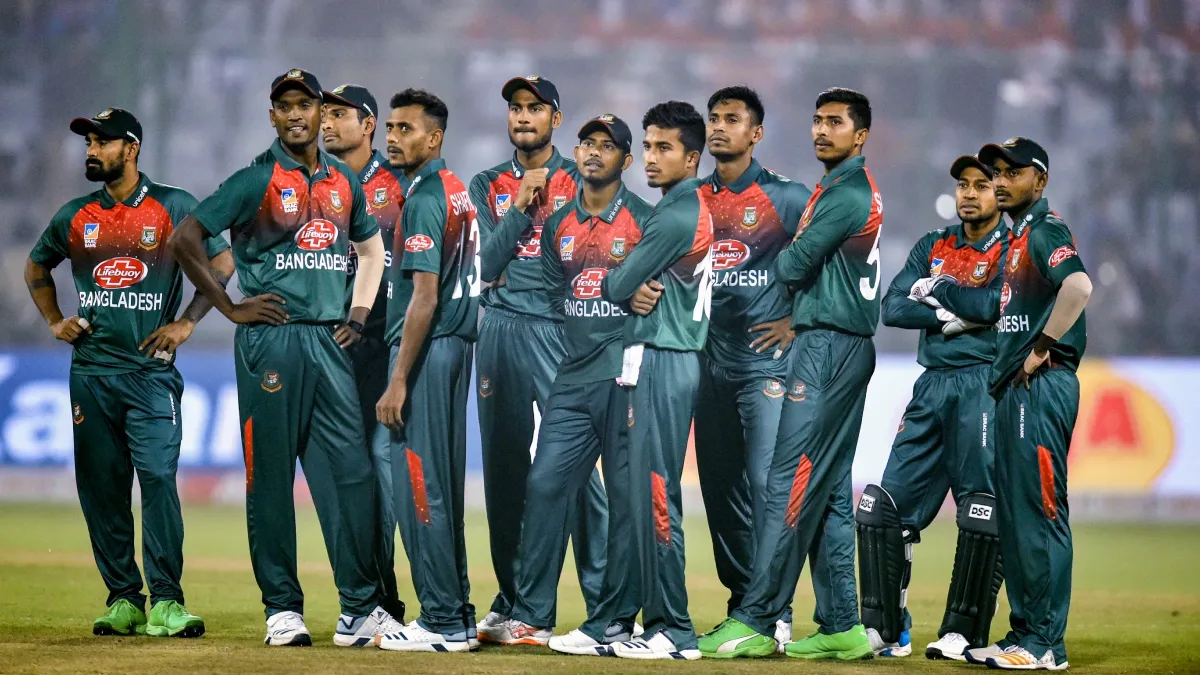
1 - Bangladesh: Bangladesh's removal is the most talked-about exclusion in the tournament. The Bangla Tigers, who were placed in Group C featuring Italy, Nepal, West Indies and Scotland, were removed from the tournament after they opted not to travel to India due to security issues. They were replaced by Scotland and won't be part of the World Cup 2026.
2 - Uganda: Uganda are another team that won't feature in the World Cup in India and Sri Lanka after playing the 2024 edition. They were in Group C in the previous edition and had won a game against Papua New Guinea, but could not progress from the group of death, where West Indies, Afghanistan and New Zealand were also placed, with the Kiwis also failing to make it to the last eight.
Uganda could not qualify for the 2026 edition of the tournament despite receiving a bye to play the Africa regional final, where they were knocked out in the Group stage itself.
3 - PNG: Uganda's group-mates in the last World Cup, PNG, are also not part of this edition. They did not win a game in that group after coming so close against Uganda.
PNG played the Asia–East Asia-Pacific regional final but failed to progress through as they were knocked out in the group stage itself.
