
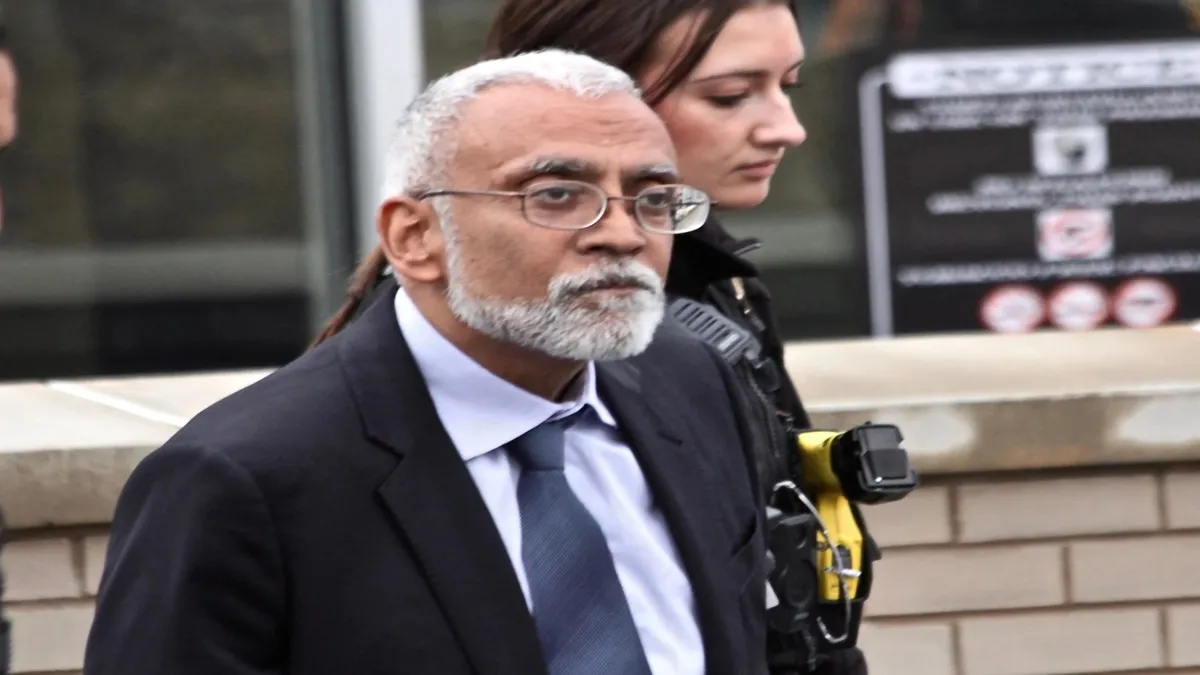
Two US courts have intervened to stop the deportation of Subramanyam “Subu” Vedam, whose wrongful conviction for murder was overturned earlier this year after more than 43 years in prison. An immigration judge has issued a stay on Vedam’s deportation until the Board of Immigration Appeals (BIA) decides whether to review his case, a process that could take several months.
On the same day, the US District Court in Pennsylvania also granted a temporary stay of deportation, though that case may remain on hold while the BIA considers the appeal.
A life in America since infancy
Vedam was just nine months old when he arrived in the US legally with his parents from India. He grew up in State College, Pennsylvania, where his father was a professor at Penn State University.
A legal permanent resident, Vedam’s citizenship application had reportedly been accepted before his arrest in 1982 in connection with the 1980 murder of his friend, Thomas Kinser. He was the last person seen with Kinser and was twice convicted of the killing, despite a lack of witnesses or motive.
Conviction overturned after new evidence emerges
In August, a Pennsylvania judge overturned Vedam’s conviction after his lawyers presented new ballistics evidence that prosecutors had failed to disclose decades earlier. Following the decision, Vedam was set to be released on October 3, but instead of walking free, he was immediately taken into immigration custody.
He is now being held at a short-term detention center in Alexandria, Louisiana, which includes an airstrip used for deportations, his family told the AP. Despite the overturned murder conviction, ICE is seeking to deport Vedam over a no-contest plea to LSD delivery charges dating back to when he was about 20 years old.
Vedam’s lawyers argue that his decades of wrongful imprisonment, during which he earned college degrees and mentored other inmates, should outweigh the minor drug offense from his youth. However, the Department of Homeland Security says the reversal of the murder conviction does not affect the earlier drug case.
“Having a single conviction vacated will not stop ICE’s enforcement of federal immigration law,” said Tricia McLaughlin, Assistant Secretary for Public Affairs.
