
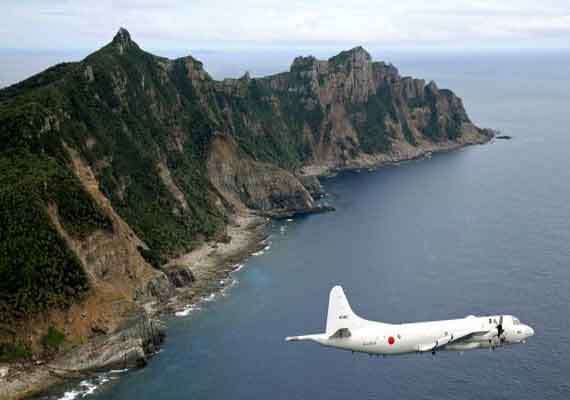
Beijing: South Korean and Japanese flights through China's new maritime air defense zone added to the international defiance Thursday of rules Beijing says it has imposed in East China Sea but that neighbors and the U.S. have vowed to ignore.
While China's surprise announcement last week to create the zone initially raised some tensions in the region, analysts say Beijing's motive is not to trigger an aerial confrontation but is a more long-term strategy to solidify claims to disputed territory by simply marking the area as its own.
China's lack of a response so far to the flights—including two U.S. B-52s that flew through the zone on Tuesday—has been an embarrassment for Beijing.
Even some Chinese state media outlets suggested Thursday that Beijing may have mishandled the episodes.
“Beijing needs to reform its information release mechanism to win the psychological battles waged by Washington and Tokyo,” the Global Times, a nationalist tabloid published by the Communist Party's flagship People's Daily, said in an editorial.
Without prior notice, Beijing began demanding Saturday that passing aircraft identify themselves and accept Chinese instructions or face consequences in an East China Sea zone that overlaps a similar air defense identification zone overseen by Japan since 1969 and initially part of one set up by the U.S. military.
