
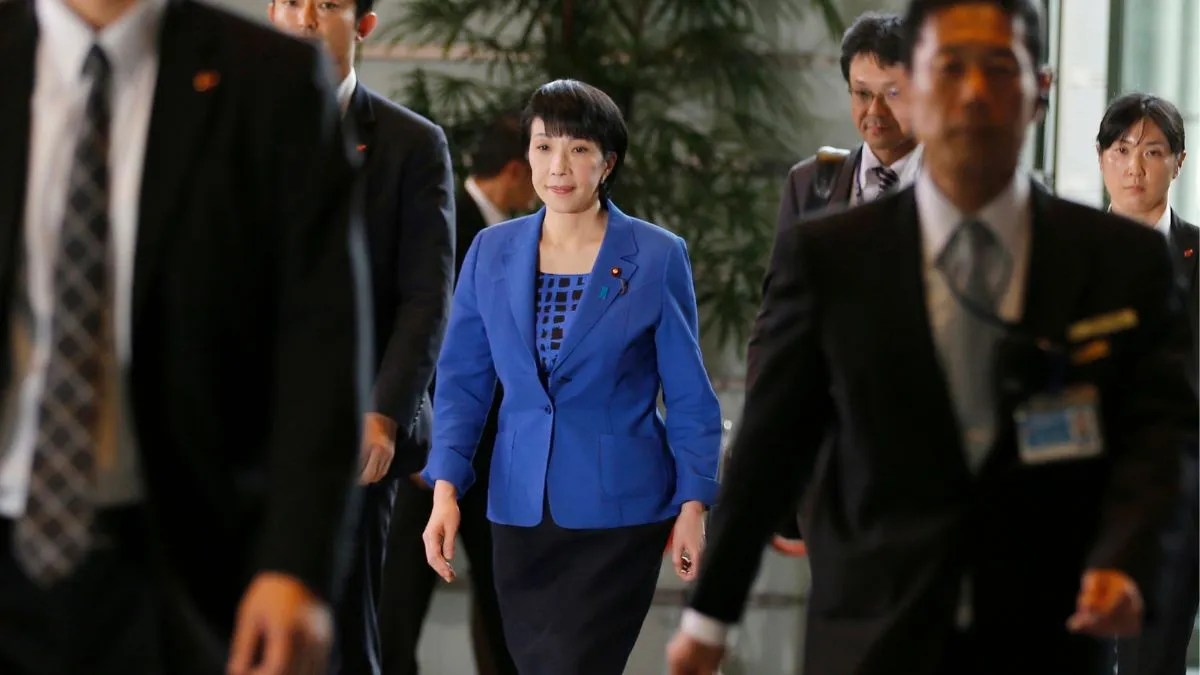
The Japanese Parliament on Tuesday elected ultraconservative Sanae Takaichi, a staunch conservative and former internal affairs minister, as the country's first female prime minister. This comes days after she won the leadership of the ruling Liberal Democratic Party (LDP). The 64-year-old leader triumphed over Farm Minister Shinjiro Koizumi in a closely fought runoff, marking a milestone moment in Japan’s male-dominated political landscape.
From motorcycles to the top office
Once known for her passion for heavy-metal drumming and motorcycling as a college student, Takaichi’s transformation into one of Japan’s most disciplined and ambitious politicians has been remarkable. Her political journey began in 1993, representing her hometown of Nara in parliament. Over the years, she has held several key positions, including minister for internal affairs, gender equality, and economic security. Despite her groundbreaking election, she maintains deeply traditional positions on gender and family, often appealing to Japan’s conservative establishment.
The ‘Iron Lady’ of Japanese conservatism
Takaichi’s political persona draws inspiration from the late British Prime Minister Margaret Thatcher, whom she regards as a role model. Revered and criticized alike, she has earned the nickname “Japan’s Iron Lady” for her uncompromising political style. Her mentor, former Prime Minister Shinzo Abe, shaped much of her ideology. Like Abe, she supports “Abenomics”, policies centered on monetary easing and fiscal stimulus, along with a stronger military presence in regional defense. Takaichi is unapologetically nationalistic, regularly visiting the controversial Yasukuni Shrine, which honors Japan’s war dead, including convicted war criminals, drawing criticism from Japan’s neighbors.
Hardline stance on immigration, security, and defense
Takaichi’s rise comes amid growing public conservatism and apprehension over immigration, economic insecurity, and China’s expanding influence in the Pacific. She has pledged to strengthen Japan’s defense, promote nuclear fusion and cybersecurity research, and adopt tougher immigration and crime policies. Her assertive approach resonates with nationalist voters who had drifted toward the far-right Sanseito party. In her election campaign, she also called for revising Japan’s pacifist postwar constitution, which restricts the country from engaging in warfare.
Balancing conservatism and modernisation
While her leadership is a landmark for gender representation, analysts caution that Takaichi is not viewed as a feminist. She opposes legal reforms to allow married couples to use separate surnames and also rejects same-sex marriage. Political observers suggest that her administration may continue reinforcing traditional gender roles, rather than challenging them. However, she has promised to elevate women to more influential cabinet roles, citing Nordic countries as her model for gender inclusion.
Economic vision and the “Work-Work-Work” ethos
Known for her tireless work ethic, Takaichi describes herself as a workaholic who plans to “work, work, work and work”, declaring that she would abandon the idea of “work-life balance.” Her statement, which went viral on social media, drew mixed reactions, symbolising her old-school dedication and intensity. Economically, she aims to expand fiscal spending to drive growth while fortifying Japan’s resilience against global economic disruptions.
What are the challenges ahead?
Takaichi’s leadership comes at a turbulent moment for the LDP, which faces public dissatisfaction over rising inflation and recent political scandals. Her ultra-conservative ideology, though popular among party hardliners, may strain relations with coalition partner Komeito, a moderate, Buddhist-backed party, and complicate Japan’s ties with regional neighbors China and South Korea.
Still, with broad support from the LDP and strong nationalist appeal, her leadership signals a decisive turn rightward in Japan’s political trajectory. For a country accustomed to cautious centrism, Sanae Takaichi’s ascent marks both a symbolic breakthrough for women and a bold statement of conservative resurgence.
Also Read - Sanae Takaichi becomes Japan woman Prime Minister, succeeds Shigeru Ishiba
