
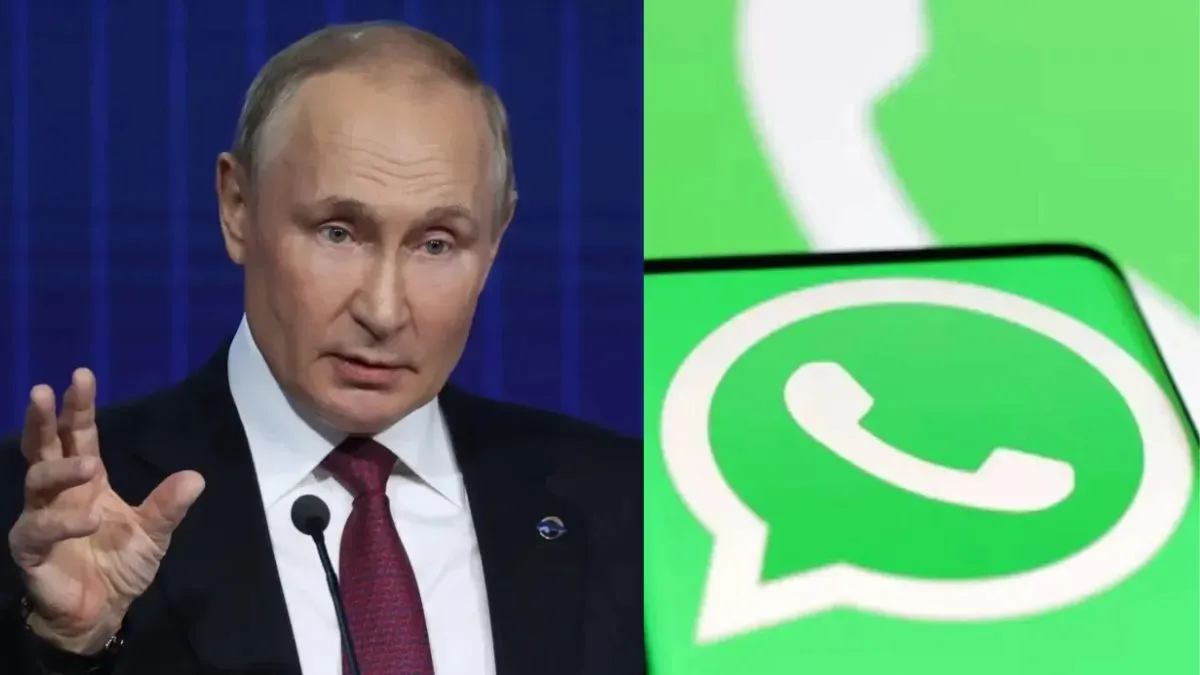
Russia on Monday blocked the social media platform WhatsApp nationwide, reportedly as part of efforts to promote homegrown platforms. This came days after Telegram Messenger was banned by Russia's Internet watchdog for alleged legal violations.
In a statement, WhatsApp rebuked the ban, asserting that the move will "isolate" over 100 million users.
"Today the Russian government attempted to fully block WhatsApp in an effort to drive people to a state-owned surveillance app. Trying to isolate over 100 million users from private and secure communication is a backwards step and can only lead to less safety for people in Russia. We continue to do everything we can to keep users connected," the X post read.
This came after Moscow warned several internet platforms that they could face slowdowns or even be blocked if they do not follow Russian laws. These rules demand that data on Russian users is stored within the country and that platforms act to prevent content Moscow labels as “criminal or terrorist”.
Human rights groups and critics argue that the move is part of a broader attempt by the Kremlin to control online activity.
Telegram founder criticises move
Telegram’s founder, Pavel Durov, who lives abroad and holds French and Emirati citizenship in addition to his Russian nationality, criticised the restrictions. In a post on his Telegram channel, he said the government is trying to “force its citizens to move to a state-controlled app designed for surveillance and political censorship.”
The Roskomnadzor agency however said it would continue to implement “phased restrictions” on the app. Officials did not provide details on what specific measures would be introduced.
Russia promoting Max app
Moscow is promoting a government-backed service called Max, which offers messaging, payments and access to other state services. The push comes amid concerns that authorities want tighter control over digital communication inside Russia.
This is not the first time Russia has attempted to block Telegram. Authorities previously tried to ban the app before the war, but the restrictions failed, and the ban was lifted in 2020. Despite the past attempts, Telegram remains popular among Russian users.
