
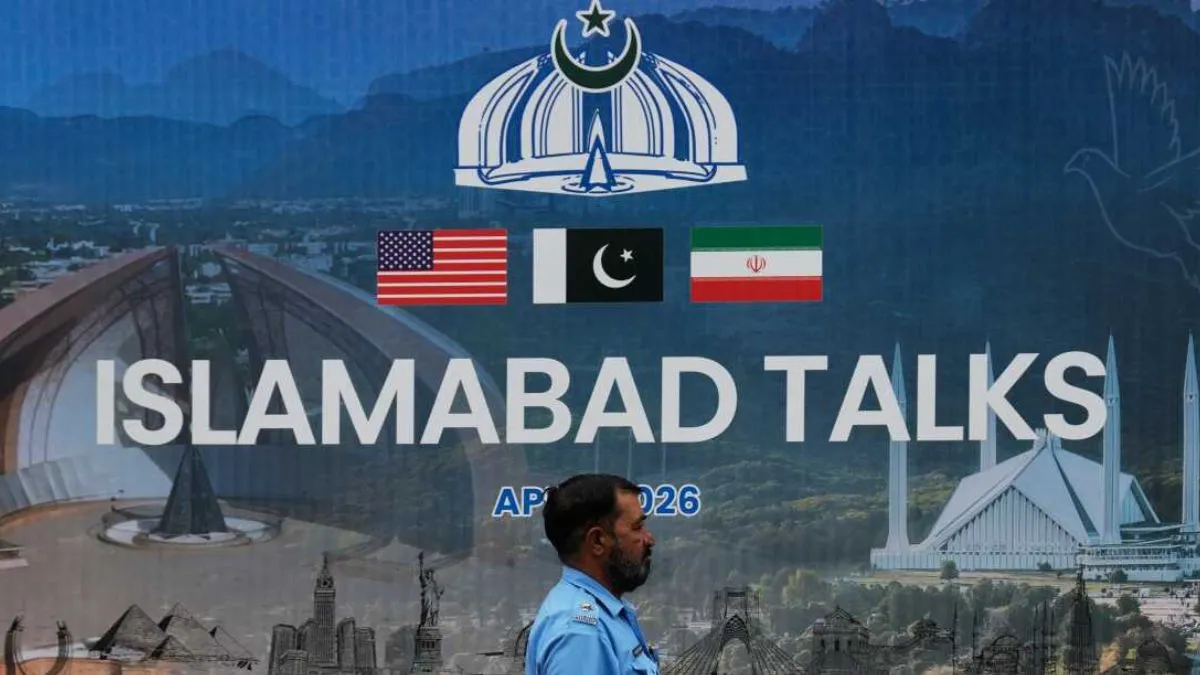
The possibility of a second round of talks between the United States and Iran seems to be high, with Pakistan actively pushing diplomatic efforts to move the process forward. According to various media reports, discussions on the next phase of engagement are already in an advanced stage.
While no formal announcement has been made, reports suggest that both sides are informally open to continuing talks either in Islamabad or at a neutral location such as Geneva. Efforts are underway to finalise logistics, with a strong push to hold the meeting within the next two days.
US President Donald Trump is reportedly keen to see a quick resolution to the conflict and gain diplomatic momentum ahead of his upcoming international engagements, including a planned visit to China in May.
On the Iranian side, leadership in Tehran is said to be cautiously open to continuing talks, but with clear conditions. Officials are reportedly seeking guarantees that would allow them to present any outcome domestically as a strategic success.
The 'failed' US-Iran negotiations
Earlier, Trump's efforts to end the Middle East conflict failed as both sides refused to accept each other's demands. Trump has now announced a naval blockade of Iran's all ports and coastal areas.
The Strait of Hormuz, a narrow waterway between the Persian Gulf and the Gulf of Oman, is one of the most critical transit points in the world from where nearly 20 per cent of the global crude passes through.
Since the beginning of the conflict, vessels are hardly passing the Strait, and Trump's naval blockade move would hardly do anything in improving the situation. With experts and analysts believing that the blockade would hardly help in US achieving its goals, it is being said that the Trump administration should go for more negotiations with Iran.
However, Democratic Senator Tim Kaine believe that it won't be easy as Trump had removed the US in the 2015 accord with Iran.
"This is not going to be an easy negotiation because the last negotiation that led to a control of Iran's nuclear program, the US made the decision to tear it up and walk away from the deal," Kaine told CNN.
Notably, Trump has also hinted that his administration is no more interested in negotiations with the Islamic Republic. "I don't care if they come back or not. If they don't come back, I'm fine," he told reporters on Sunday.
What derailed the talks?
US Vice President JD Vance, who was leading the American delegation, said the talks failed despite Washington giving its 'final and best' offer to Iran. In an early morning briefing on Sunday in Islamabad, Vance hinted that the two sides failed to reach a consensus over Iran's nuclear programme, which derailed the talks. Vance said the US will never allow Iran to seek nuclear weapons, though he did not provide much details regarding it.
