
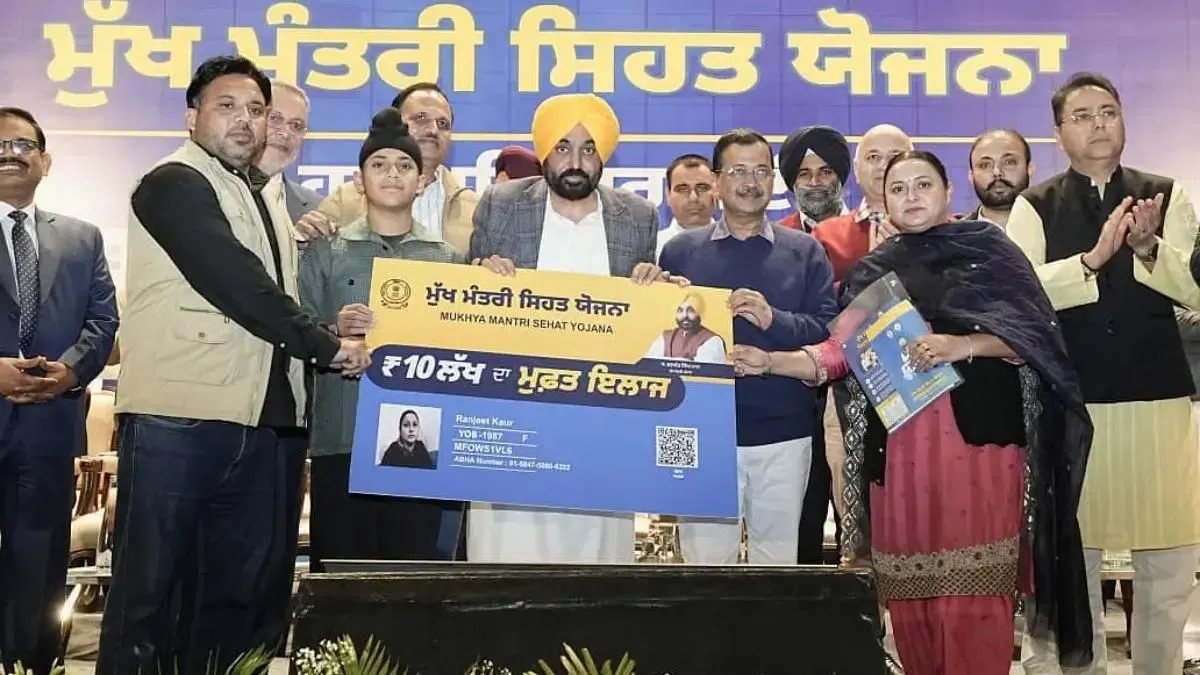
Punjab’s public healthcare system is witnessing a growing demand for emergency maternal and neonatal treatment, with more than 7,300 high-risk pregnancy and newborn care cases treated under the Mukh Mantri Sehat Yojana till May 25, according to official data. The figures shed light on the increasing pressure on maternal healthcare services as complications during childbirth and critical neonatal conditions continue to rise, particularly among economically vulnerable families.
Data from the State Health Agency (SHA) shows that over 5,300 high-risk caesarean deliveries were conducted under the scheme, accounting for treatment expenses of nearly Rs 6.37 crore. Overall expenditure on maternal and neonatal care under the programme has crossed Rs 7 crore so far.
One in every two pregnancies in India high-risk?
The development comes against the backdrop of findings from the National Family Health Survey (NFHS-5), which indicated that nearly one in every two pregnancies in India can be classified as high-risk. Medical experts link these risks to factors such as anaemia, poor maternal nutrition, poverty, closely spaced pregnancies, previous birth complications and lack of timely medical care.
Women from low-income households often face the greatest challenges, as emergency procedures and neonatal intensive care can become financially overwhelming.
Scheme emerging as financial lifeline for families
Officials say the Sehat Card has increasingly become a crucial support system for women requiring emergency surgical intervention during childbirth. Several beneficiaries described how the scheme helped them avoid debt during medical emergencies.
Deepika, a 28-year-old woman from Patiala, underwent a caesarean delivery after developing pregnancy-related complications, including severe anaemia. Her treatment was fully covered under the scheme.
In another case, Diksha Sonkar received maternal and neonatal care during the birth of her third child at PIMS Medical College Hospital without bearing treatment costs. Her husband, Vikas Sonkar, who works as a daily wage labourer, said medical emergencies often force families like his to borrow money at high interest rates.
He said the fear of hospital expenses itself becomes a major burden for poor families, adding that the cashless treatment under the Sehat scheme brought significant relief.
Growing focus on critical newborn care
Apart from maternal healthcare, the scheme is also supporting treatment for premature and critically ill newborns requiring intensive medical attention. According to official data, more than 2,000 infants have received neonatal treatment under different care packages.
These include newborns requiring ICU admission, ventilator support, treatment for neonatal infections and care for extreme prematurity. Among the most vulnerable cases, over 100 low-birth-weight infants requiring advanced neonatal support were treated under the programme.
Authorities say specialised neonatal care remains one of the most expensive forms of hospital treatment, making financial support critical for low-income households.
Nearly 45 lakh registrations under the scheme
The Punjab government says the Mukh Mantri Sehat Yojana continues to expand across the state, with nearly 44.8 lakh registrations recorded so far.
Health officials believe the rising use of the scheme reflects both increasing awareness and the growing need for affordable emergency healthcare, particularly for mothers and newborns in vulnerable communities.
