
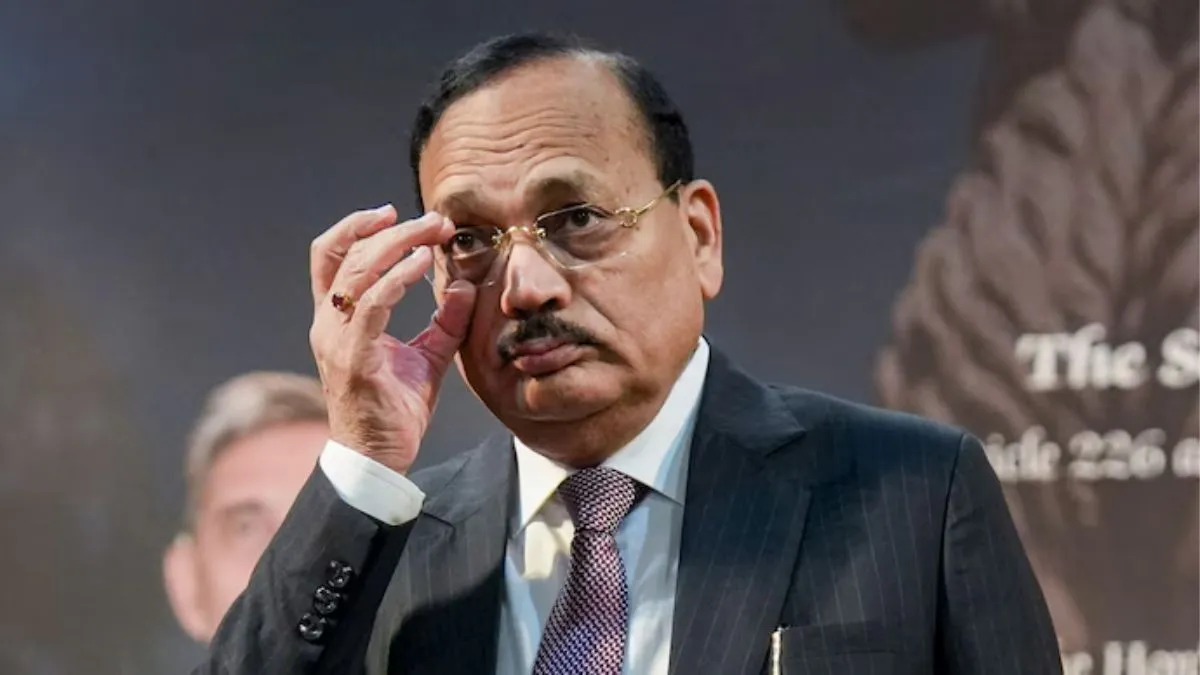
Chief Justice of India Surya Kant has issued a clarification after controversy erupted over his recent remarks during a court hearing, saying his comments were “misquoted” and taken out of context by a section of the media. Expressing concern, the CJI said, “I am pained to read how a section of the media has misquoted my oral observations made during the hearing of a frivolous case yesterday.”
He clarified that his observations were never directed at the youth of the country, as was being suggested in some reports.
‘Remarks targeted fake degrees, not young citizens’
Clarifying the intent behind his comments, the CJI said his criticism was specifically aimed at individuals who enter professions such as the Bar using fake or bogus degrees. He further noted that similar concerns exist in other fields as well.
According to him, such individuals who misuse credentials to enter respected professions, including media and social media, act like “parasites” within the system. However, he stressed that this observation was limited to misconduct and should not be interpreted as a general comment on young people.
He said it was “totally baseless” to suggest that he had criticised the youth of India in any manner.
‘Proud of India’s youth’
Rejecting the controversy, the Chief Justice reaffirmed his faith in India’s younger generation, saying, “Not only am I proud of our present and future human resource, but every youth of India inspires me.”
He further added that Indian youth are the “pillars of a developed India” and expressed personal respect for them, stating that they too hold regard for the institution of the judiciary.
Everything you need to know about the case
The clarification comes after the remarks were made during a hearing related to the designation of a lawyer as a Senior Advocate. During proceedings, the bench comprising the CJI and Justice Joymalya Bagchi questioned the conduct of the petitioner and made strong observations about professional ethics and misuse of social media.
The court had also raised broader concerns about the authenticity of degrees held by some legal professionals, even suggesting possible verification through investigating agencies in certain cases. The petitioner later apologised and withdrew the plea, which was accepted by the court.
