
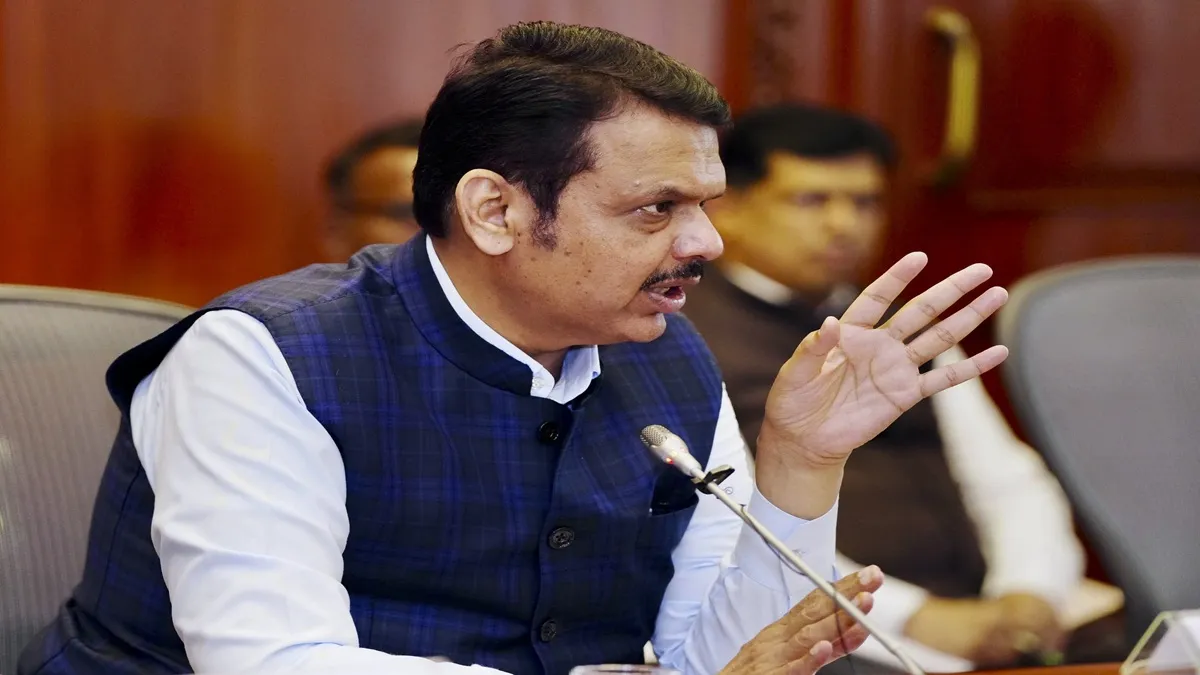
Maharashtra Chief Minister Devendra Fadnavis has appealed to Union Jal Shakti Minister CR Patil to intervene regarding Karnataka’s plan to raise the height of the Almatti Dam on the Krishna River from the current 519.6 meters to the Reduced Level (RL) 524.256 meters. Fadnavis expressed serious concerns that this rise would significantly worsen flooding in the Maharashtra districts of Sangli and Kolhapur, impacting thousands of residents and agricultural lands.
Flood risks and siltation problems highlighted by Maharashtra
In his letter, Fadnavis emphasised the adverse effects of extensive siltation in the Krishna River and its tributaries caused by the Almatti Dam’s current operations, which have already reduced the river’s floodwater carrying capacity and delayed the recession of floodwaters in Maharashtra. He further pointed to the construction of barrages upstream with inadequate waterways, which have compounded flooding and inundation problems, exacerbating the situation in the Maharashtra territory.
Height increase would worsen flood scenarios in Maharashtra
The Chief Minister warned that raising the full reservoir level (FRL) to RL 524.256 meters would result in about six meters of standing water near the Maharashtra border (current riverbed level at RL 518.00 m), worsening flood conditions for Sangli and Kolhapur districts and endangering the livelihoods and safety of the local population.
Karnataka’s stand based on tribunal awards and historic plans
Karnataka’s government, meanwhile, maintains that the height increase is legally supported. The Krishna Water Disputes Tribunal (KWDT II) allowed raising the dam height up to RL 524.256 meters in its 2010 and 2013 decisions after careful consideration of expert evidence. Karnataka has argued this increase was part of original plans dating back to 1969 and that Maharashtra’s objections over potential submergence were dismissed by the tribunal. The state has sought a Gazette notification from the Central government to proceed and insists it is ready to implement resettlement and rehabilitation measures.
Ongoing dispute and awaited reports
Maharashtra has commissioned studies from the National Institute of Hydrology, Roorkee, to assess the flood impact due to backwaters and siltation before any decision on raising the dam height is made. The final report is pending, and Fadnavis urged the Centre to hold off authorising the raise until the findings are evaluated.
The controversy continues with Karnataka asserting its right to enhance the dam’s height to optimise water usage and power generation under the Upper Krishna Irrigation Project, while Maharashtra fears severe implications for flood control and the safety of its citizens downstream.
This dispute underscores the complexities of interstate water resource sharing and the balancing act between development, legal rulings, and the welfare of affected communities on both sides of the Krishna River.
