
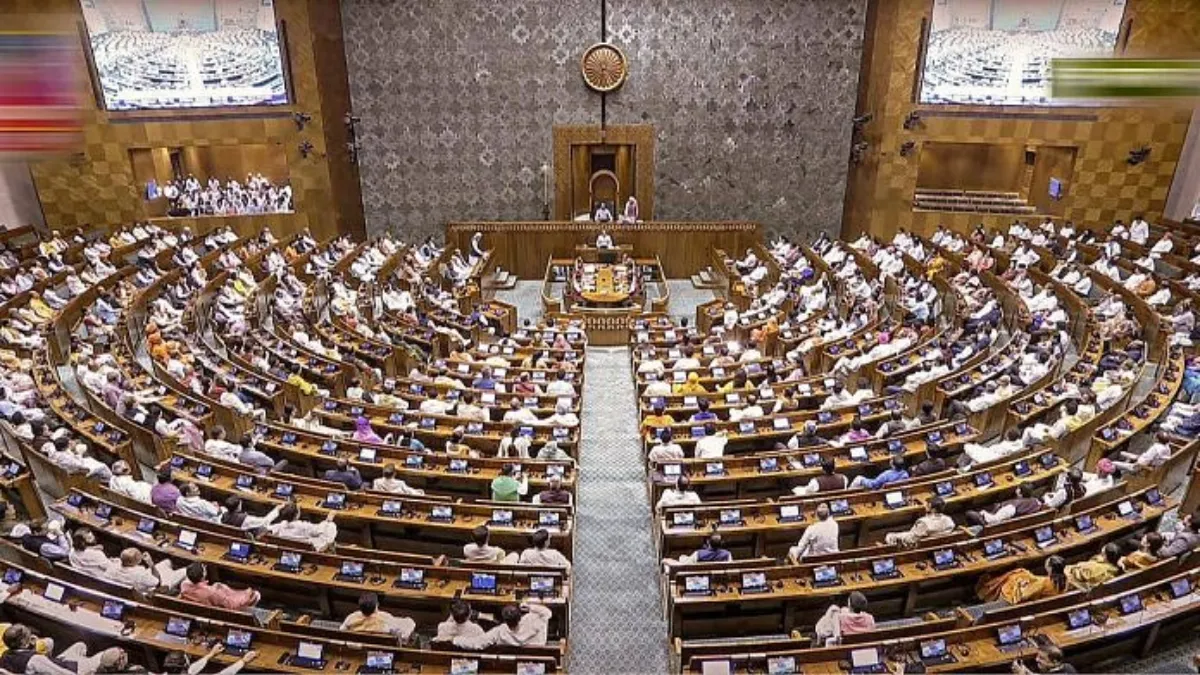
In a significant step toward ensuring accountability in governance, the Government of India has announced its plans to introduce a bill in the Lok Sabha aimed at the removal of any Prime Minister (PM), Union Minister, or Minister of State (MoS) who is arrested or detained on serious criminal charges. The legislation, expected to be tabled during the ongoing parliamentary session on Wednesday, will provide a legal framework for the swift removal of these officials in cases where they are detained for serious offenses.
Immediate removal after 30 days of detention
The bill is designed to hold high-ranking public officials accountable by stipulating that any PM, CM, or Minister arrested and detained for consecutive 30 days for offences punishable by at least five years of imprisonment will lose their position on the 31st day. However, the bill also clarifies that such officials can be reinstated to their positions once they are released from custody, subject to the legal process.
According to officials, this move is intended to ensure that leaders facing legal scrutiny for severe criminal activities, such as corruption, terrorism, or violent crimes, do not continue holding office while under investigation. This provision will be applicable to both Union and State leaders who fall under the ambit of the law.
Bill aims for transparency and accountability
The proposed legislation is part of a broader initiative to ensure transparency and accountability within the country's political system. Officials noted that the bill would empower the legislature to take swift and effective action against top government officials who are charged with serious criminal offenses, preventing any potential conflict of interest while investigations are underway.
Provisions for Chief Ministers and ministers in Union Territories
In an effort to maintain integrity across all levels of governance, the government has also stated its intention to extend similar provisions to Chief Ministers (CMs) and ministers of Union Territories (UTs). This would allow for the removal of CMs or ministers in UTs if they are arrested or detained on serious criminal charges.
This extension is seen as a measure to ensure that public confidence in leaders at the state and Union Territory level is not undermined by criminal investigations, thereby maintaining the integrity of state and national governance structures.
