
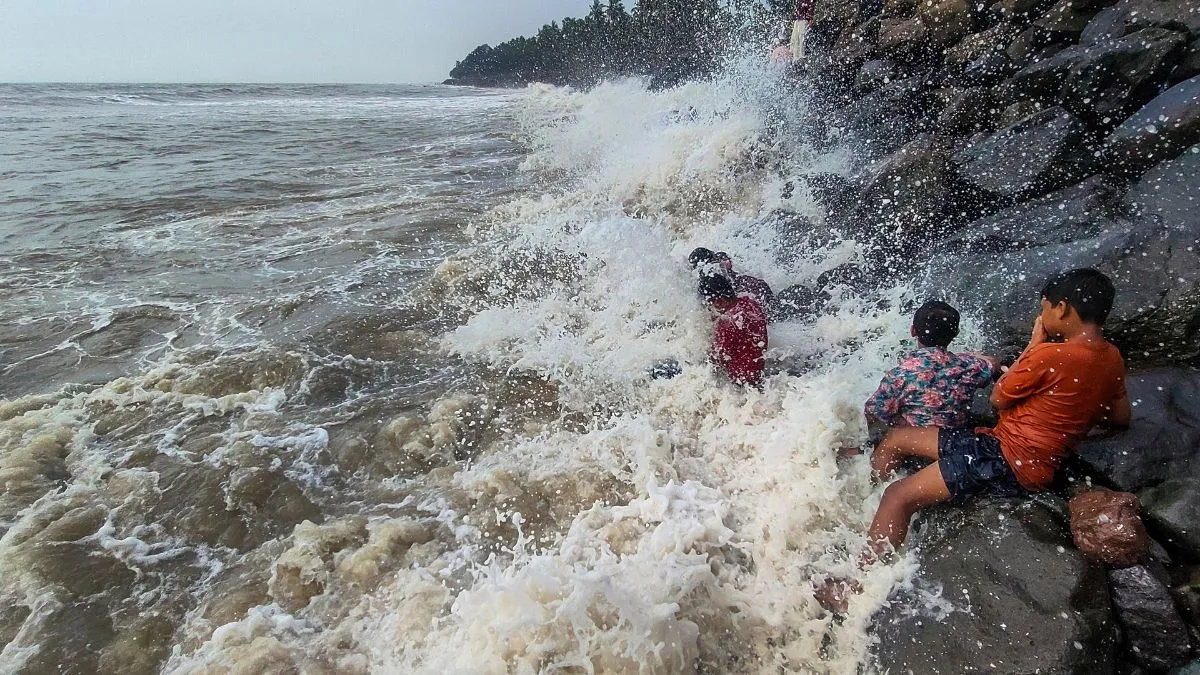
Tsunami Awareness Day is observed worldwide on November 5 each year. The day aims to educate people about the dangers of tsunamis and how to stay safe. It highlights the importance of early warning systems, evacuation plans, and safety measures to reduce the risk to life and property. Communities, especially in coastal areas, are encouraged to stay alert, take part in drills and share knowledge about disaster preparedness, helping everyone become more resilient to these natural hazards.
Why is traditional knowledge important to predict Tsunami?
Traditional knowledge plays a crucial role in predicting tsunamis. People in coastal communities have, for generations, observed natural warning signs such as unusual animal behavior, sudden changes in tides, or strange sounds from the sea. This technique is useful in areas which are devoid of advanced warning systems. People have been predicting such calamities beforehand.
Animals’ early warning instincts help communities predict Tsunamis
In many coastal regions, indigenous communities have long relied on unusual animal behaviour as a natural alert for approaching tsunamis. Elephants, dogs, birds and even small burrowing animals often show signs of distress before the waves strike. Scientists now believe these behaviours are linked to animals’ ability to sense environmental changes that humans cannot detect.
Researchers suggest that animals may respond to low-frequency vibrations, shifts in the Earth’s magnetic field or gases released from stressed rocks. Observations from past tsunamis provide compelling examples. Elephants have been seen running to higher ground, dogs refusing their usual beach walks and flamingos abandoning coastal breeding areas to fly inland. Snakes, mice and other burrowing animals have been spotted leaving their nests, even in cold weather, moving to safety.
During the 2004 Indian Ocean tsunami, areas such as Sri Lanka’s Yala National Park reported very few animal casualties. Eyewitnesses said animals fled in large numbers before the waves arrived, suggesting a collective response to early warning signals.
Experts believe that understanding these natural warning signs can complement modern tsunami detection systems and may save countless lives in communities without advanced technology.
Tidal Clues: How sudden sea retreats signal imminent Tsunamis
Knowledge about tide patterns can also play a crucial role in early detection of Tsunami. One of the clearest indicators of the calamity is when the sea suddenly pulls back from the shore, exposing the seabed or coral reefs.
This dramatic retreat, often accompanied by a sucking sound, has been recorded in local legends, such as the "Smong" story from Simeulue Island in Indonesia, which advises people to head to higher ground immediately.
Auditory cues are also noted by coastal residents. Strange, loud noises from the ocean—sometimes compared to the roar of an approaching train or plane—can signal both seismic activity and the arrival of a tsunami wave. Some communities also watch for changes in the weather.
A sudden calm, a shift in wind direction or unusual cloud colours may indicate seismic disturbances or atmospheric effects linked to tsunamis. Experts emphasise that paying attention to these natural signs, alongside official warnings, can save lives. Traditional observations, refined over centuries, continue to play a crucial role in tsunami preparedness in vulnerable regions.
