
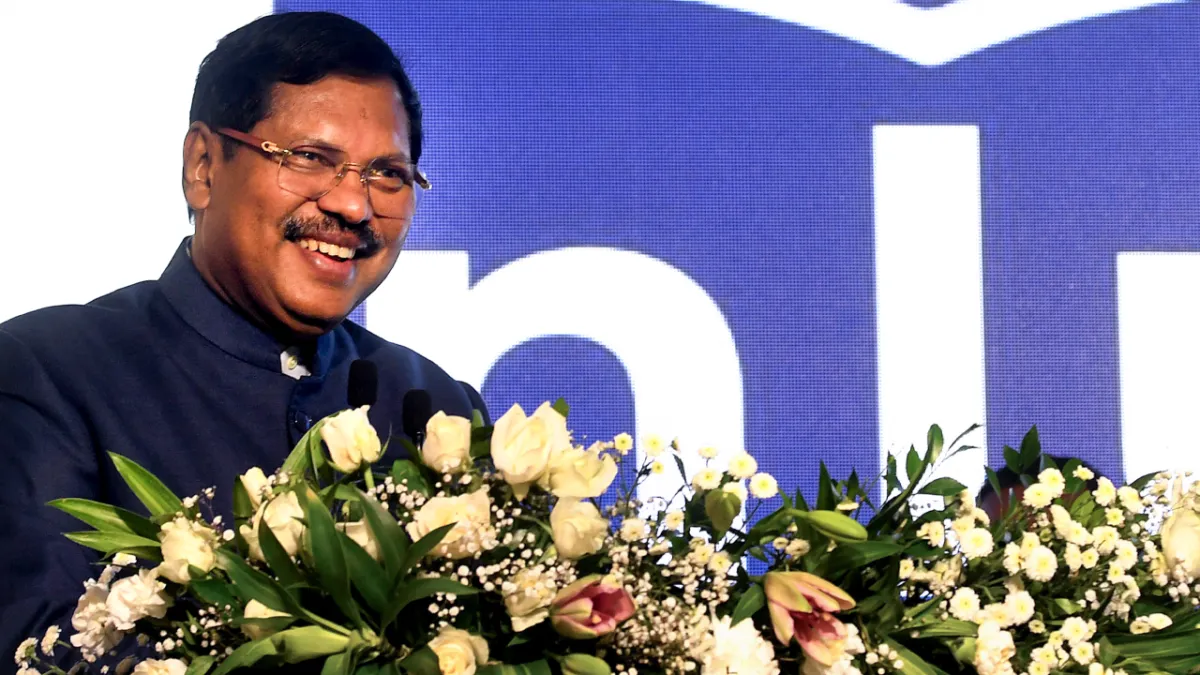
Justice BR Gavai will demit office on November 23 as the 52nd Chief Justice of India. He was given a farewell organised by the Supreme Court Bar Association during which he said he was leaving the institution "with a full sense of satisfaction and contentment" and as a "student of justice"
The Chief Justice of India is the head of the Indian judiciary and the administrative leader of the Supreme Court. The Constitution sets out the broad framework for the appointment, and conventions developed over decades complete the process. The Constitution states in Article 124 that the President appoints the Chief Justice after consultation with judges of the Supreme Court, as considered necessary.
The Constitution does not describe any specific method by which one judge should be chosen over another, which is why convention fills the gaps.
Seniority convention
Senior-most judge of the Supreme Court, measured by the date of appointment to the court and not by age, is appointed as the next Chief Justice of India. This convention is now a well-established part of the Memorandum of Procedure, which guides judicial appointments. Seniority remains the central principle unless extraordinary circumstances arise, which have been very rare.
CJI appointment process
Around one month before the sitting Chief Justice is due to retire, the Union Ministry of Law and Justice writes to the Chief Justice and asks for a recommendation for their successor. This step has been consistent whenever a transition approaches. The outgoing Chief Justice then recommends the senior-most eligible judge. If the outgoing CJI has concerns about the senior judge, consultation with the collegium may be undertaken, although such situations are uncommon.
Role of the government
Once the recommendation is sent, the Law Minister forwards it to the Prime Minister. The Prime Minister advises the President to make the appointment. In the case of the Chief Justice of India, the government does not seek reconsideration of the recommendation. The recommendation of the sitting Chief Justice is final for this specific appointment.
Formal appointment and oath
After receiving the Prime Minister’s advice, the President signs the warrant of appointment. The new Chief Justice then takes the oath of office administered by the President at Rashtrapati Bhavan. The term lasts until the judge reaches the retirement age of 65 years. Justice B R Gavai, the outgoing CJI recommended Justice Surya Kant as his successor on the basis of seniority. The President has designated Justice Surya Kant to take the oath as the next Chief Justice of India on November 24.
Also read: Justice system must inspire confidence, compassion in women: CJI-designate Surya Kant
