
Japanese cuisine has become a gastronomy powerhouse in recent years, with foods like sushi and yakitori becoming regular weekly meals all around the world. With this rise has come the increase in consumption of Japanese traditional products, like wasabi.
But even if eaten regularly, this condiment is still quite unknown to most people. This article will explain what wasabi is and what its effects are on the body.
What Is Wasabi?
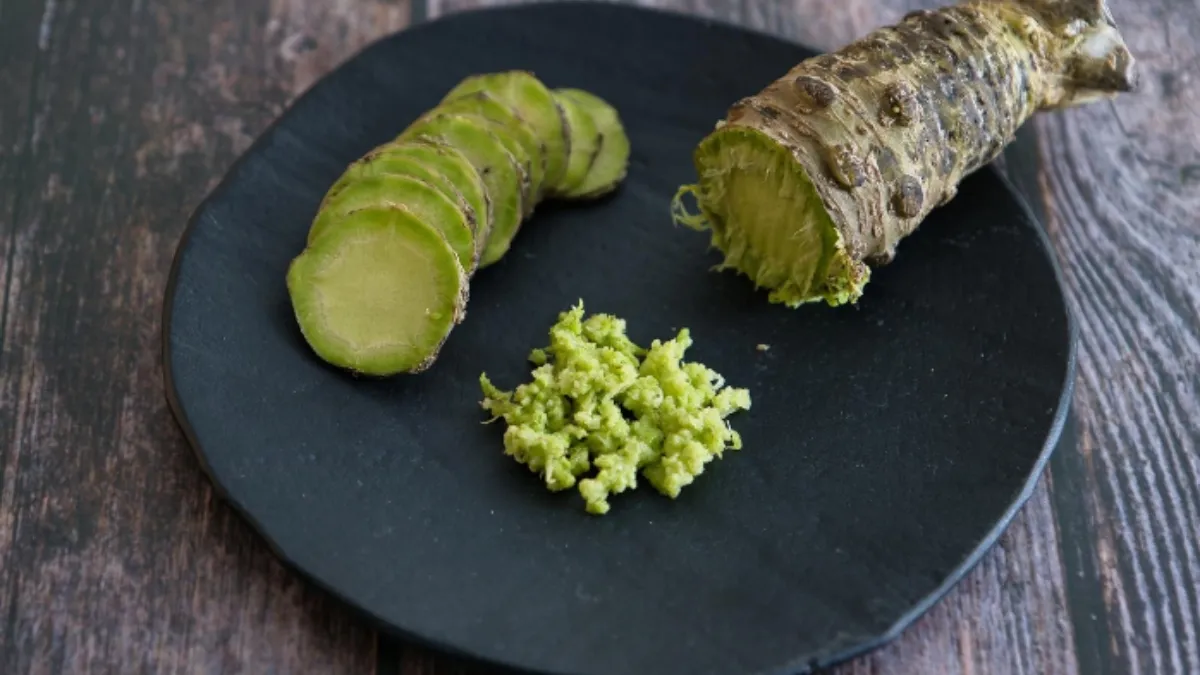
Wasabi is a paste made by grating the rhizome (stem) of the Wasabia japonica plant. It is native to the cool, humid streambeds of mountain river valleys in East Asia and is traditionally served alongside Japanese fish-based dishes like sushi, sashimi, or nigiri.
Wasabi is prized for its spice and unique taste, which comes from a compound called isothiocyanate. Unlike chilli-based spiciness, wasabi's heat stimulates the nasal passages more than the tongue.
Health Benefits of Wasabi
Wasabi offers several health benefits thanks to its natural compounds:
- Antiviral and Antibacterial: Isothiocyanate, a substance found in wasabi, has antibacterial and antiviral properties. It is especially helpful when eating raw fish.
- Anti-inflammatory: According to some research, wasabi compounds may also help treat conditions like arthritis by lowering inflammation.
- Antioxidants: The antioxidants in wasabi aid in digestion and shield cells from oxidative damage.
- Heart Health: Wasabi's potassium content lowers blood pressure and lowers the risk of heart disease.
- Decreased risk of anaemia: Wasabi's iron content lowers the body's risk of developing anaemia, which is brought on by an iron shortage.
- Weight management: Isothiocyanates may encourage the burning of fat, which could aid in weight loss.
Eat in Moderation
Despite its benefits, wasabi should be consumed in moderation, as overconsumption can lead to side effects such as stomach ulcers, diarrhoea, or vomiting.
It’s also important to note that most wasabi served outside of Japan is not real wasabi. Instead, it’s usually a mix of horseradish, mustard, and green food colouring. This imitation paste lacks many of the health-promoting compounds found in fresh, authentic wasabi.
ALSO READ: Dietician reveals 5 easy ways to add olive oil to Indian diet without compromising on flavour
