
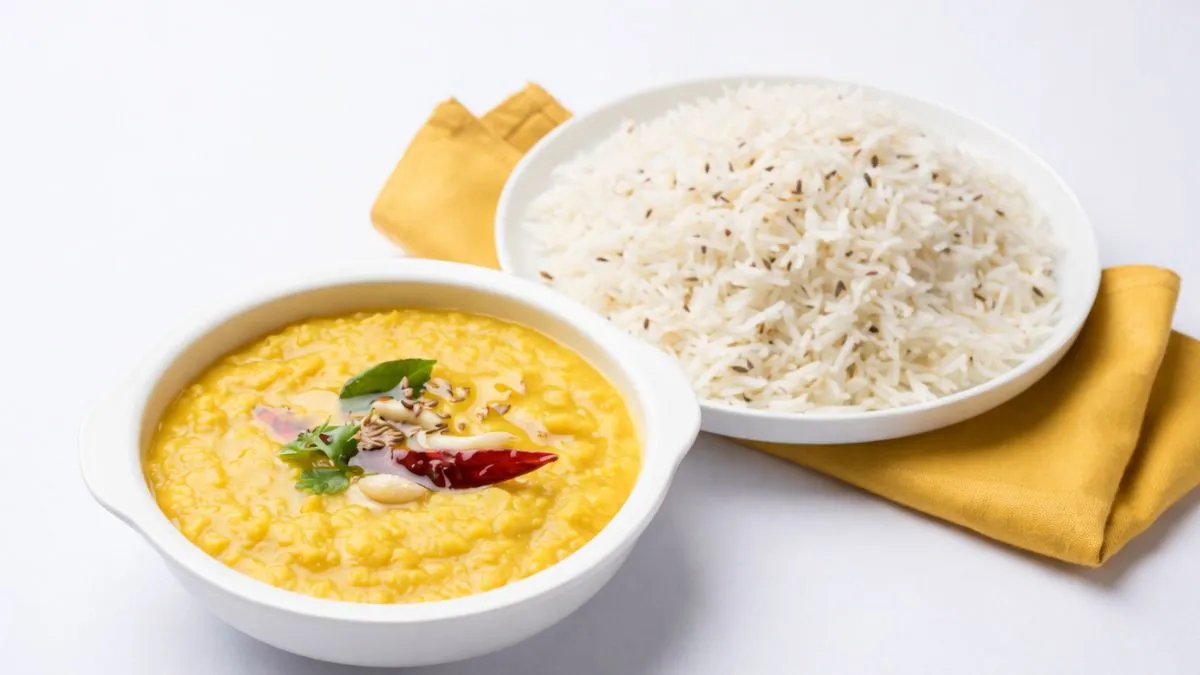
In most Indian households, a simple plate of dal with chawal or dal with roti is everyday comfort food. It’s affordable, filling and familiar. But for anyone trying to lose weight, this simple choice often turns into a confusing dilemma: should you give up rice and switch to roti?
Nutrition experts say the answer is not as black and white as social media makes it seem. Let's get into the details and the experts' take.
Dal is the real hero on your plate
“Dal is common to both meals, and that’s actually the most important part,” says Anuja Gaur, Consultant – Weight Management and Diet Therapy at Aakash Healthcare. Dal is rich in protein, fibre and essential nutrients. Protein slows digestion, keeps you full for longer and reduces unnecessary snacking later in the day. From a weight-loss perspective, dal is doing far more work than people realise.
The problem, experts say, is that dal is often treated as a side dish instead of the main component of the meal.
Dal chawal: Not bad, just easy to overeat
Rice has earned an unfair reputation as a weight-loss villain. In reality, rice itself is not fattening. “Rice digests faster, which means blood sugar can rise more quickly if portions are large,” explains Ridhima Khamesra, Clinical Dietitian. “That’s biology, not opinion.”
Dal chawal can absolutely fit into a weight-loss plan if the plate is built right. A small bowl of rice paired with a generous serving of dal, vegetables and minimal oil works well, especially for people who are physically active, walk regularly or have an early dinner.
Problems arise when rice portions dominate the plate, and dal becomes an afterthought.
Why dal roti feels “safer” for many people
Roti, especially when made from whole wheat or millets, contains more fibre than white rice. Fibre slows digestion and often keeps hunger quieter for longer. “That’s why dal roti tends to work better for people with sedentary lifestyles, such as office workers,” says Gaur. “It helps control appetite between meals.”
However, roti is not automatically a lighter option. Eating four or five rotis, choosing parathas, or adding excess butter or ghee can quickly cancel out any weight-loss benefit. As Khamesra puts it, “Roti is not lighter food. It’s just slower food.”
Portion size matters more than rice or roti
Both experts agree that portion control is the deciding factor. If you prefer rice, limit it to one small bowl and increase dal and vegetables. If you prefer rotis, stick to one or two and avoid parathas. Add salads or green vegetables to increase volume without excess calories.
“Weight loss depends on how much you eat, how often you’re hungry again, and how active you are,” Khamesra explains.
Small swaps that can help
Choosing brown rice, millets, or hand-pounded rice instead of white rice can improve fibre intake. Similarly, multigrain or millet rotis are better options than refined flour. These swaps slow digestion and improve fullness, making it easier to stay consistent with your eating pattern.
Neither dal chawal nor dal roti is inherently bad.
“Weight gain or weight loss depends on overall intake, preparation, portion size and daily movement,” says Gaur. “For many people, dal roti with controlled portions may be slightly easier for weight loss, but dal chawal can be just as healthy when eaten mindfully.”
The key is not elimination, but balance.
As Khamesra sums it up, “Weight loss works when food feels normal. In Indian homes, sustainability matters far more than demonising rice or glorifying roti.”
Eat simple food, watch your portions, stay active and stay consistent. That’s what truly supports long-term weight loss.
