
There’s never been more hair advice swirling around our timelines. One scroll and you’re knee-deep in hacks promising overnight growth, miracle shampoos and DIY recipes that look suspiciously like chutney. Recently, dermatologist Dr BL Jangid had a detailed discussion with the India TV team and said, “So far, no shampoo has been made that actually makes your hair grow.”
So let’s step back from the noise. This is your clean, realistic guide to what actually drives hair growth, what shampoos and serums can do, and when it’s time to swap social media advice for a medical appointment.
The real early signs
Most of us panic the moment a clump appears in the shower, but some shedding is entirely normal. “Losing up to 100 hairs a day is absolutely fine,” says Dr Jangid. The concern begins when you’re consistently shedding far more, noticing a widening parting, or spotting patches. And because hair loss is usually a symptom, not the main problem, the underlying cause could be anything from iron deficiency to hormonal shifts.
“Skin and hair are like an internal mirror of your body,” he explains, meaning your first step isn’t a new shampoo, but finding out what your body is trying to say.
What shampoos actually do
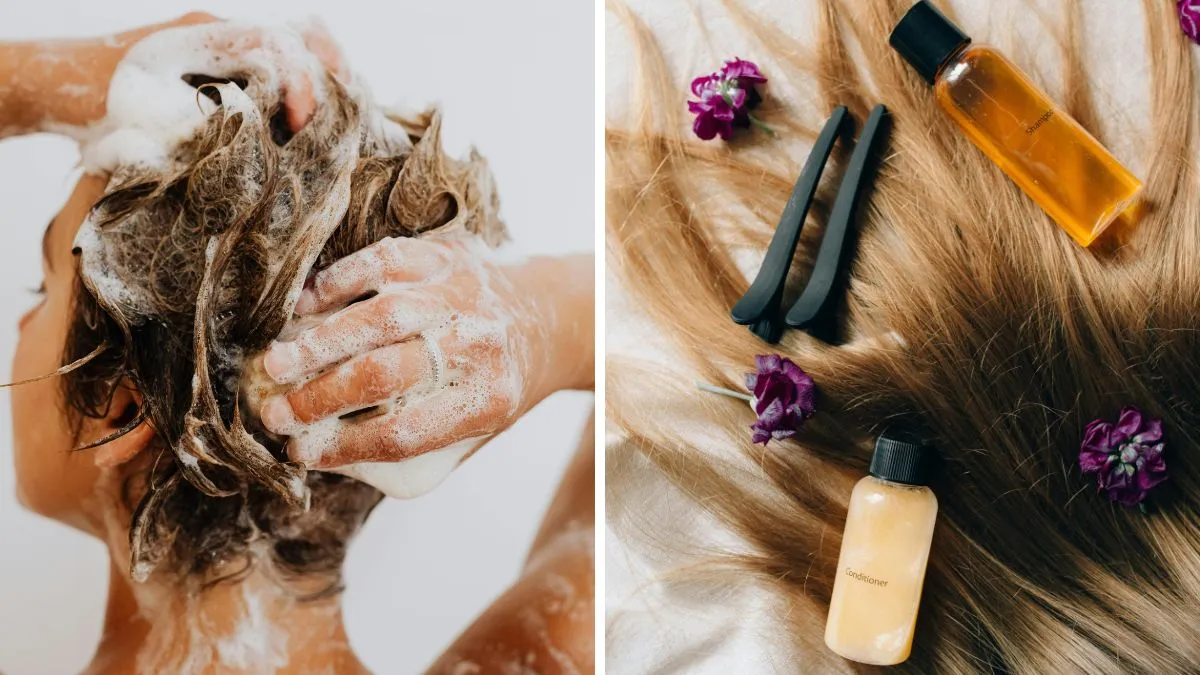
Here’s the blunt truth: shampoos clean, they don’t regrow. Their only job is to remove oil, pollution, sweat and product build-up so the scalp can breathe. A good formula can help a medicated treatment work better, especially if dandruff or heavy build-up is blocking the way,but nothing inside that bottle can reach the follicle and deliver a grow-faster pep talk.
Think of shampoo as housekeeping, not renovation.
Oils, serums and the home-remedy hype
We all love a kitchen-to-beauty moment, but most topicals offer only subtle benefits. Onion juice may help in alopecia areata because it irritates the scalp enough to stimulate immune-modulated regrowth. Rosemary oil has some encouraging evidence. Coconut and castor oil? Great for frizz control, not exactly follicle-whisperers.
Dr Jangid adds a practical warning: over-oiling an already oily scalp can encourage fungal overgrowth. So yes to using oils for softness, no to expecting them to reverse androgenetic hair loss.
Lifestyle: The underrated hero
Hair loves consistency, nutrients and a little kindness. Dr Jangid's five “superfoods” are refreshingly accessible: lentils, leafy greens, nuts, fruits and good-quality protein from non-veg or dairy. His five don’ts? Smoking, excessive alcohol, inactivity, anabolic steroids and unnecessary chemical or heat treatments. Even hard water plays a role; if mineral levels are high, a filter can improve texture and reduce breakage.
Myth check, because we all need one
- Washing your hair too often cause hair fall? Myth.
- Cutting hair makes it grow faster? Myth again.
- Protein deficiency causing hair fall? True.
- Sulfates and parabens ruining everyone’s hair? Only partly true; it depends on your scalp.
- And oiling making hair “healthy”? True for shine and resilience, not for triggering new growth.
If you’re dealing with hair fall, the smartest move isn’t switching from one trendy product to another; it’s getting a diagnosis. Whether it’s a nutrient deficiency, stress, hormones or genetics, knowing the cause gives you a plan. And that plan rarely starts with a shampoo.
As Dr Jangid sums up, “hair fall doesn’t happen without a cause.” Once you understand yours, you stop chasing miracles and start making meaningful changes, the kind that keep your hair and your confidence firmly on your side.
Also read: Onion juice, rice water, caffeine and rosemary oil: What actually works for hair growth?
