
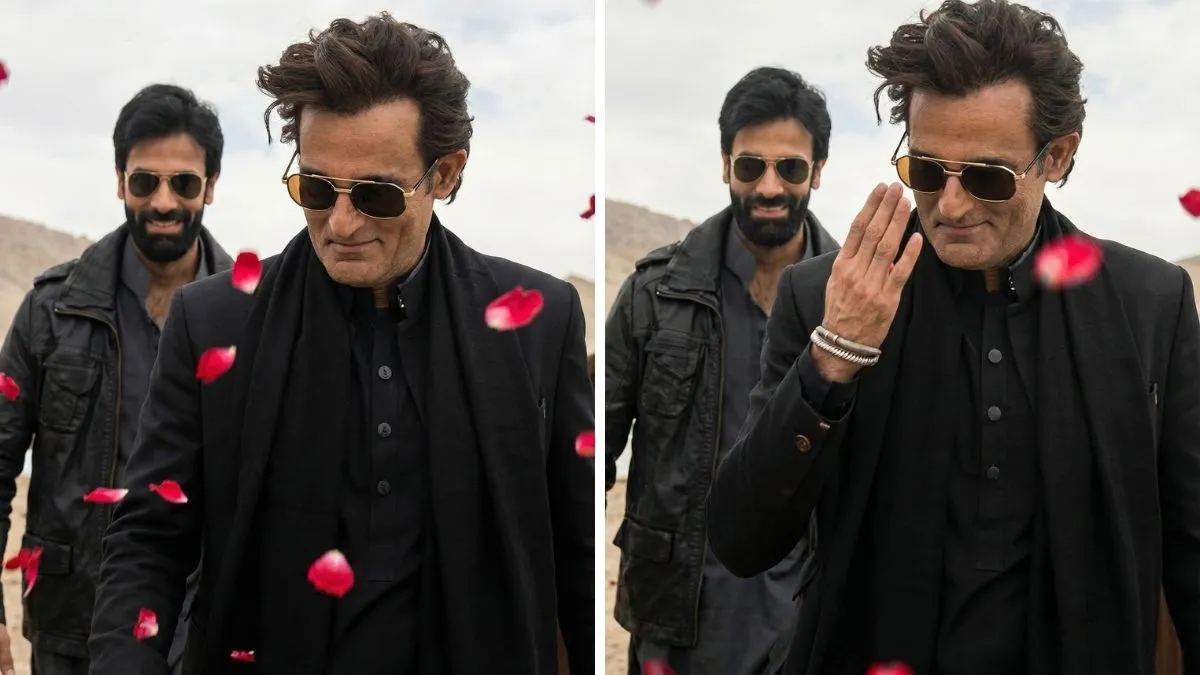
Akshaye Khanna’s dance on from 'Dhurandhar' has taken over social feeds, and not just because of the actor’s unexpectedly groovy moves. What viewers are obsessing over is the almost undetectable hair patch he sports in the film, a stark contrast to his bald look in real life.
Ultra-thin, undetectable hair systems are becoming increasingly popular among actors, influencers, and the everyday user. The conversation is hotter than ever on how they work, how natural they look, and whether or not they are better than transplants. Let's break down the science, the costs, and the reality behind these modern hair solutions.
What is an ultra-thin hair patch?
Ultra-thin patches, usually only 0.03 mm thick, can easily emulate the translucency of natural skin. The base, made of lace or “skin-like” polyurethane, is paired with human hair that’s hand-knotted to create the illusion of hair growing directly from the scalp. It’s the same technology used in film and TV styling, where close-up shots demand near-perfect realism.
How natural does an ultra-thin patch look?
When done well, it is extremely natural. The most convincing systems rely on:
- A customised hairline
- Hand-knotted edges and feathered fronts help the patch blend seamlessly with the forehead.
- Perfect colour and density matching
- Specialists tone the hair and even tint the base to mimic the wearer’s skin tone.
Good cutting and styling
A patch is only as good as its finishing. A skilled stylist can ensure movement, fall and volume that read “real” in person and on camera.
How long does an ultra-thin patch last?
The lifespan depends on the base thickness and daily routine.
Ultra-thin (0.03 mm) bases
Expect 1–2 months of life with daily wear. These are cinema-grade, hyper-realistic but fragile.
Slightly thicker skin or lace systems
Usually lasts 3–6 months.
Premium custom systems
With careful rotation and salon maintenance, some last up to 9–12 months, although this is more common in lace bases rather than ultra-thin ones.
How much does an ultra-thin hair patch cost?
In India, prices vary depending on hair quality, customisation, and studio reputation.
Basic to mid-range patches
Rs 12,000–Rs 30,000
Premium, custom-made systems
Rs 20,000–Rs 1,00,000+
Maintenance costs
Expect Rs 1,000– Rs 5,000 every few weeks for re-bonding, cleaning, adhesive replacement and styling. Replacement units are the biggest recurring expense.
Can you shower, gym, sleep and travel with it?
Yes, but with rules.
Showers
Gentle shampoo, low pressure near the hairline and careful drying are essential.
Workouts
Sweat weakens adhesives more quickly, so active wearers may need more frequent bonding sessions.
Sleep
Most people sleep with patches on; silk pillowcases reduce friction.
Swimming
Chlorinated and salt water degrade both the base and adhesive, so extra caution is needed.
Are hair patches better than a hair transplant?
They serve different purposes rather than competing directly.
Hair patches
- Immediate results
- Suitable for those with low donor hair
- Reversible
- Require continuous maintenance and occasional replacement
Hair transplantation
- Long-term natural growth
- One-time medical procedure; paid for upfront
- Results are gradual, occurring over a period of several months.
- Not ideal for those with severe balding or poor donor density.
The best choice depends upon your expectations, your routine, and how much upkeep you're ready to embrace.
Also read: Akshaye Khanna’s views on love and marriage are striking a chord in 2025, here’s why
