
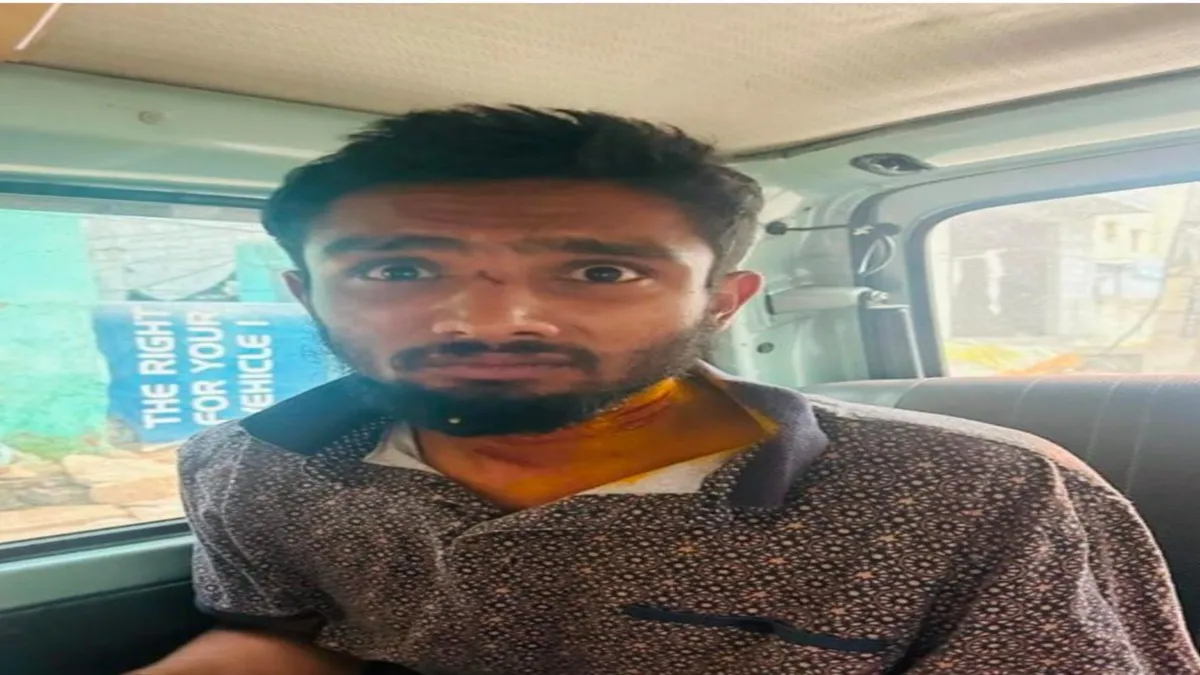
In a significant crackdown on terror activities, Bengaluru's Central Crime Branch (CCB) police first apprehended Arshad Khan in connection with a high-stakes grenade recovery case. Authorities had uncovered explosive materials linked to potential terrorist plots, leading to Khan's arrest as a prime suspect. This operation highlighted the city's ongoing vigilance against extremist threats, with police acting swiftly on intelligence leads to neutralise the danger.
Case escalation to national level
The gravity of the allegations quickly elevated the investigation beyond local jurisdiction. The case was transferred to the National Investigation Agency (NIA), India's premier counter-terrorism body, which took over to probe deeper connections possibly spanning national security risks. Khan's involvement raised alarms about broader networks, prompting meticulous evidence gathering and legal proceedings under stringent anti-terror laws.
Bail granted, then betrayal
Despite the serious charges, Khan managed to secure bail through legal channels, a decision that allowed his temporary release under court conditions. However, freedom turned into flight as he abruptly ceased appearing for mandatory court hearings. This blatant violation triggered judicial action: the court issued a non-bailable warrant and a proclamation declaring him absconding, effectively turning him into one of the most wanted fugitives in the terror watchlist.
Dramatic arrest in Bengaluru hideout
Months of relentless pursuit culminated in triumph for the NIA on court orders. Acting decisively, NIA operatives tracked Khan to a hideout in Bengaluru and took him back into custody without resistance. The arrest not only closed a critical gap in the investigation but also underscored the effectiveness of inter-agency coordination between local police and national forces in maintaining public safety.
Fresh intel alert rocks national capital
An urgent intelligence alert has put Delhi on high alert, warning of a looming terror threat from Pakistan-based Lashkar-e-Taiba (LeT). Sources pinpoint key religious sites near the Red Fort, particularly a temple in Chandni Chowk, as prime targets for an improvised explosive device (IED) attack. The plot allegedly seeks vengeance for a February 6 mosque blast in Islamabad, Pakistan, with fears of strikes extending to major temples across India.
LeT's revenge motive and target radar
Intelligence inputs reveal LeT's intent to orchestrate a major assault in India as retaliation. "Blast alert in front of the Red Fort in Delhi. Terrorists may target a temple in Chandni Chowk. Lashkar-e-Taiba is plotting an IED attack," sources confirmed, emphasizing the group's focus on prominent religious places nationwide. This escalation signals a deliberate strategy to exploit religious sensitivities amid rising cross-border tensions.
Shadow of the November 2025 Red Fort blast
The warning revives traumatic memories of the deadly car explosion on November 10, 2025, near Gate No. 1 of the Red Fort Metro Station. The blast, triggered by a vehicle packed with explosives, claimed 12 lives and ignited fires in surrounding cars, exposing vulnerabilities in high-traffic historic areas. It underscores the persistent threat to Delhi's landmarks and the need for heightened vigilance.
