
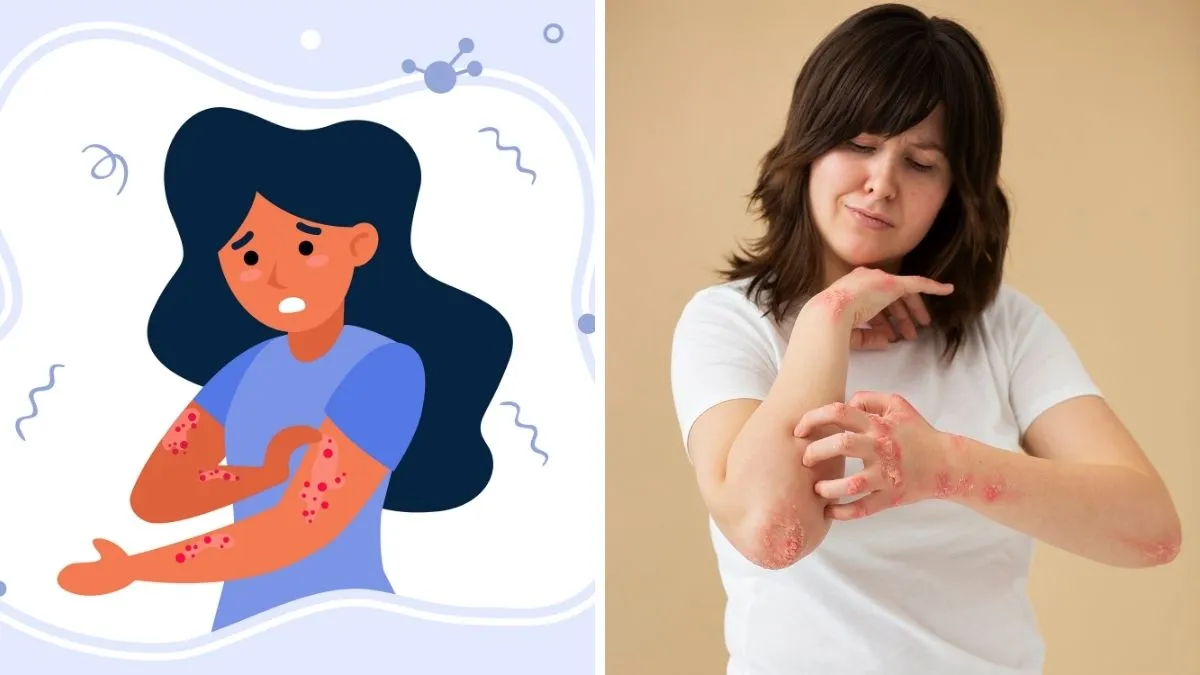
For many people living with eczema or psoriasis, winter isn’t a cosy season; it is a period of unpredictable flare-ups, redness, itching and discomfort. According to Dr Pooja Chopra, Visiting Consultant – Dermatology, Aakash Healthcare, seasonal aggravation is extremely common because cold weather fundamentally changes how the skin behaves.
Dr Chopra shares, “Winter triggers a combination of barrier disruption, immune hyperactivity and heightened skin sensitivity, which worsens inflammatory skin diseases.” Let's understand it better.
Cold air strips the skin of moisture
As temperatures drop, humidity falls sharply. Cold, dry air pulls moisture out of the skin, leaving it dehydrated and vulnerable. When the skin loses its natural lipids, it becomes less capable of keeping water in and keeping irritants out.
This weakened barrier makes eczema worse by:
- increasing dryness
- triggering intense itching
- causing visible scaling
Inherited skin-barrier defects in eczema make this response even stronger.
Indoor heating quietly makes things worse
Heaters, blowers and heat pumps offer warmth, but they drain indoor humidity, accelerating transepidermal water loss. Going from cold outdoor air to dry indoor heat creates constant stress, causing microscopic cracks in the skin. “Temperature variation exposes nerve endings and immune cells, increasing sensitivity and reactivity,” Dr Chopra notes.
This irritation often triggers scratching, which worsens inflammation.
Psoriasis reacts to immune stress
Psoriasis is driven by an overactive immune system that causes rapid skin-cell turnover.
Cold weather and barrier damage prompt the body to release pro-inflammatory cytokines, which lead to:
- thicker plaques
- increased scaling
- more redness
- stronger itchiness
Winter can also reduce sunlight exposure. Since natural sunlight helps regulate immune activity, lack of UV exposure removes a helpful anti-inflammatory mechanism, making psoriasis harder to manage.
Everyday winter habits can inadvertently make symptoms worse.
Some of the most common comforts of the season actively worsen symptoms.
Long, hot showers
They strip natural oils, causing further damage to the skin barrier.
Heavy wool or synthetic clothing
Such fabrics may cause trapping of sweat or friction, which worsens irritation and itching.
Low fluid input
People drink less water in winter, which causes systemic and skin dehydration.
Seasonal stress
Changes in routine, sleep, and stress levels can all affect immune and nervous system activity, exacerbating flare-ups.
So why are flare-ups so common in winter?
According to Dr Chopra, it’s a combination of:
- environmental drying
- barrier disruption
- immune changes
- reduced sunlight
- common lifestyle habits in winter
“Understanding triggers helps people minimise flare-ups, continue treatment consistently, and reduce the burden of seasonal symptoms,” she adds.
How to minimise winter flare-ups (practical tips)
- Short, lukewarm showers
- Fragrance-free moisturisers, applied immediately after bathing
- Cotton-based clothing layers
- Humidifiers indoors
- UV exposure where safe
- Staying hydrated
- Regular treatment, not just during flare-ups
Consistent moisturising is not “cosmetic,” it is a clinical necessity for barrier repair. Winter doesn’t create eczema and psoriasis; it magnifies the skin’s vulnerabilities.
