
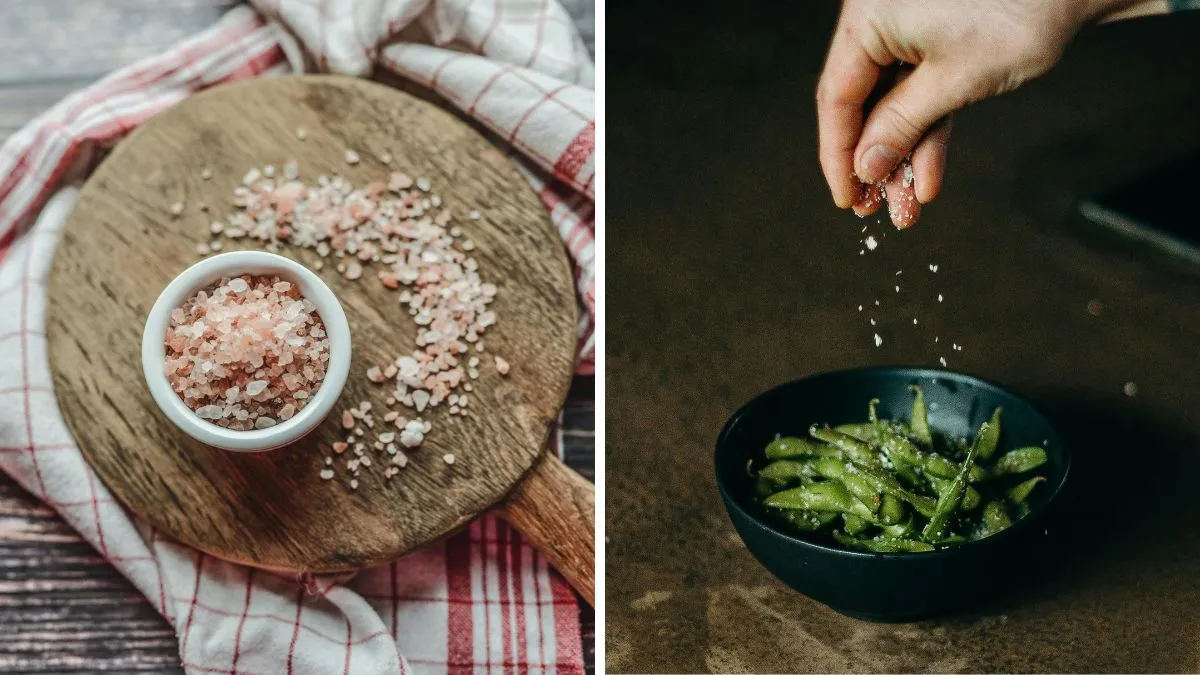
One of the easiest yet most effective ingredients in the kitchen is salt. A pinch can take a dull salad and turn it into a refreshing and flavoursome delight. However, when it comes to health, not all salts are equal.
Most studies indicate that although the body requires sodium for nerve function and fluid balance, an excess can lead to high blood pressure and a greater risk of heart disease. With growing concerns over healthy eating, the question that many pose is: What salt should one sprinkle over salad?
Table salt: the popular option

Refined table salt is most commonly consumed. It dissolves rapidly, is well distributed, and tends to be fortified with iodine, which is necessary for thyroid function. But it is highly processed, has trace minerals removed, and can contain anti-caking agents. Alternatives are recommended for those in search of something more natural and less processed.
Rock salt (Sendha namak): light and mineral-filled
Rock salt, particularly favoured at fasting time, is a crystallised form of sodium chloride extracted from ancient sea beds. It's less refined than table salt and contains trace minerals such as potassium, calcium, and magnesium. Dietitians suggest that it's a milder option for those monitoring their sodium levels. It complements most particularly with cucumber, tomato, and fruit salads, adding only a subtle flavour without dominating the dish.
Himalayan pink salt: a hip favourite
This pale pink salt from Pakistan's Khewra mines is a worldwide wellness phenomenon. It takes its colour from minor trace minerals like iron oxide. Though its mineral content is low compared to the daily requirement of nutrients, it is liked by many due to its subtle flavour and pleasant colour. A sprinkle of Himalayan salt not only seasons your greens but also adds a visual appeal that makes a salad more appetising.
Sea salt: natural and flavourful
Sea salt is harvested through the evaporation of seawater. It retains more natural minerals than refined salt and has a slightly coarser texture. Flaked sea salt, in particular, adds a delicate crunch to salads like Greek salad or quinoa bowls. Nutritionists caution, though, that sea salt contains roughly the same amount of sodium as table salt — so moderation is still key.
Black salt (Kala namak): digestive benefits
Unique to South Asia, black salt has a distinct sulphurous aroma and tangy flavour. Ayurvedic practitioners have long recommended it for its digestive properties. Sprinkling a small pinch of black salt on fruit salads, sprouts, or chickpea bowls not only boosts flavour but also helps reduce bloating and aids digestion.
Which one should you choose?
The healthiest salt is less about variety and more about quantity. The World Health Organization (WHO) recommends limiting sodium intake to less than 5 grams of salt per day. For salads, nutritionists suggest using a small pinch of unrefined salts like rock salt, pink salt, or sea salt to add flavour and trace minerals, while occasionally rotating in black salt for its digestive benefits.
Choose natural, minimally processed salts to elevate both taste and nutrition. However, remember that moderation is what makes any salt a healthy choice.
Disclaimer: Tips and suggestions mentioned in the article are for general information purposes only and should not be construed as professional medical advice. Always consult your doctor or a dietician before starting any fitness programme or making any changes to your diet.