
Fever cases tend to rise when seasons shift. It starts small. A mild fever, some body ache, maybe a headache. And most people assume it is just a viral infection and move on with basic medication.
But that assumption does not always hold. Today, April 25, marked as World Malaria Day, is a reminder that not all fevers are the same. Conditions like malaria and dengue can look similar at first, but they carry very different risks. That is where awareness starts to matter.
Dr Sahil Kapoor, Senior Consultant in Family Medicine and Wellness Expert at Aakash Healthcare, highlighted this clearly. “Patients often assume every fever is viral and self-medicate. However, infections like dengue and malaria can become severe if not diagnosed early. Recognising warning signs is key.”
Malaria: Fever that comes in cycles
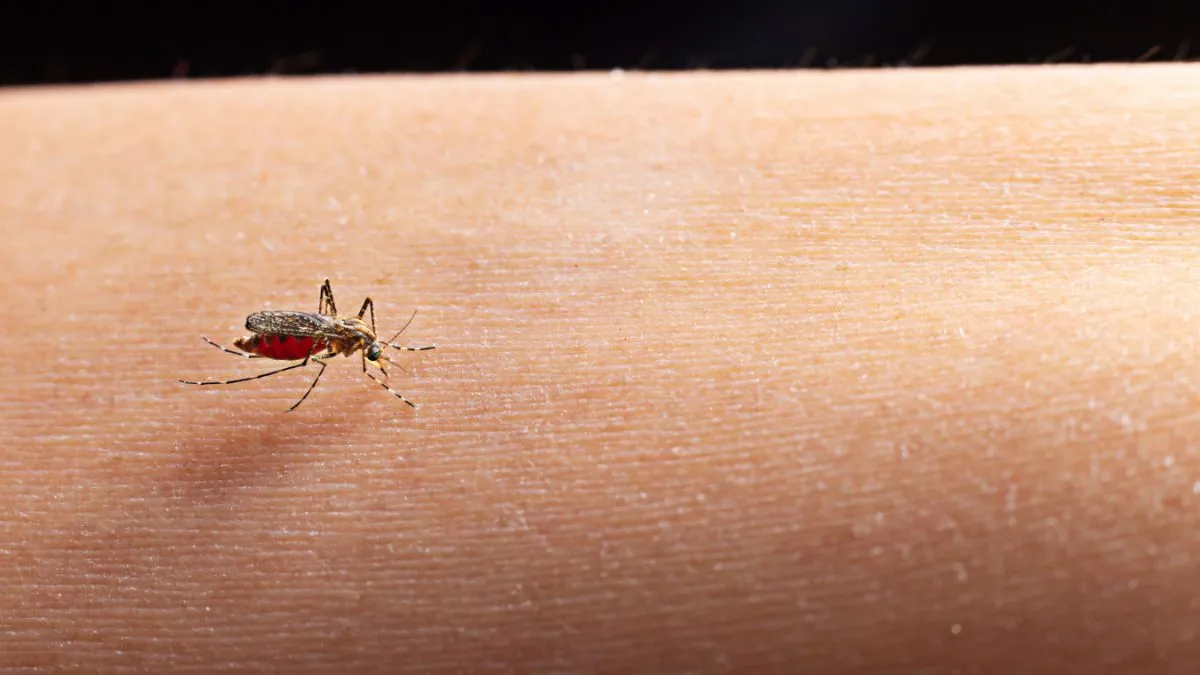
Malaria is caused by a parasite spread through mosquito bites. The symptoms usually follow a pattern, which makes it a bit easier to identify if you know what to look for.
Common signs include:
- Intense chills and shivering
- Sudden high fever
- Sweating once the fever drops
- Headache, nausea, and fatigue
Dr Kapoor explained, “Malaria often follows a pattern, chills, followed by fever, then sweating. This cycle may repeat every two to three days, which helps differentiate it from other fevers.”
Dengue: High fever and falling platelets
Dengue is also transmitted through mosquitoes, but the presentation is different. It tends to be more intense and can turn serious due to a drop in platelet count.
Typical symptoms:
- Very high fever, sometimes up to 104°F
- Severe headache and pain behind the eyes
- Intense joint and muscle pain, often called “breakbone fever”
- Skin rashes
- Low platelet count
The doctor cautioned, “If a patient experiences persistent weakness, abdominal pain, or any bleeding signs, immediate medical attention is essential.”
Viral fever: Common and usually mild
Viral fever is far more common and is caused by different viruses. It is usually less severe and resolves on its own with basic care.
Symptoms include:
- Mild to moderate fever
- Sore throat
- Cough and cold
- Body aches and fatigue
He further noted, “Most viral fevers resolve within three to five days with rest and hydration. However, prolonged fever should not be ignored.”
How to tell the difference between malaria, dengue and viral fever
Some symptoms overlap. That is where confusion happens. But a few clear patterns can help:
Malaria: Cyclical fever with chills and sweating
Dengue: Very high fever with severe body pain and low platelets
Viral fever: Milder fever with respiratory symptoms like cough and cold
The family medicine expert stressed, “Self-medication is risky. Blood tests are the only reliable way to confirm whether it is malaria, dengue, or a viral infection.”
Prevention still matters the most
For malaria and dengue, prevention is largely about avoiding mosquito exposure.
Simple steps include:
- Avoid stagnant water around your home
- Use mosquito repellents and nets
- Wear full-sleeved clothing
- Maintain cleanliness indoors and outdoors
When you should see a doctor
Do not wait it out if symptoms start getting worse.
Seek medical help if:
- Fever continues beyond two to three days
- There are signs of bleeding or severe weakness
- Platelet levels drop
- You experience vomiting, dizziness, or difficulty breathing
Doctors continue to stress one thing. No fever should be taken lightly. Early diagnosis and the right care make all the difference.
Disclaimer: Tips and suggestions mentioned in the article are for general information purposes only and should not be construed as professional medical advice.
ALSO READ: Malaria in children: Why kids are more vulnerable and how to protect them
