
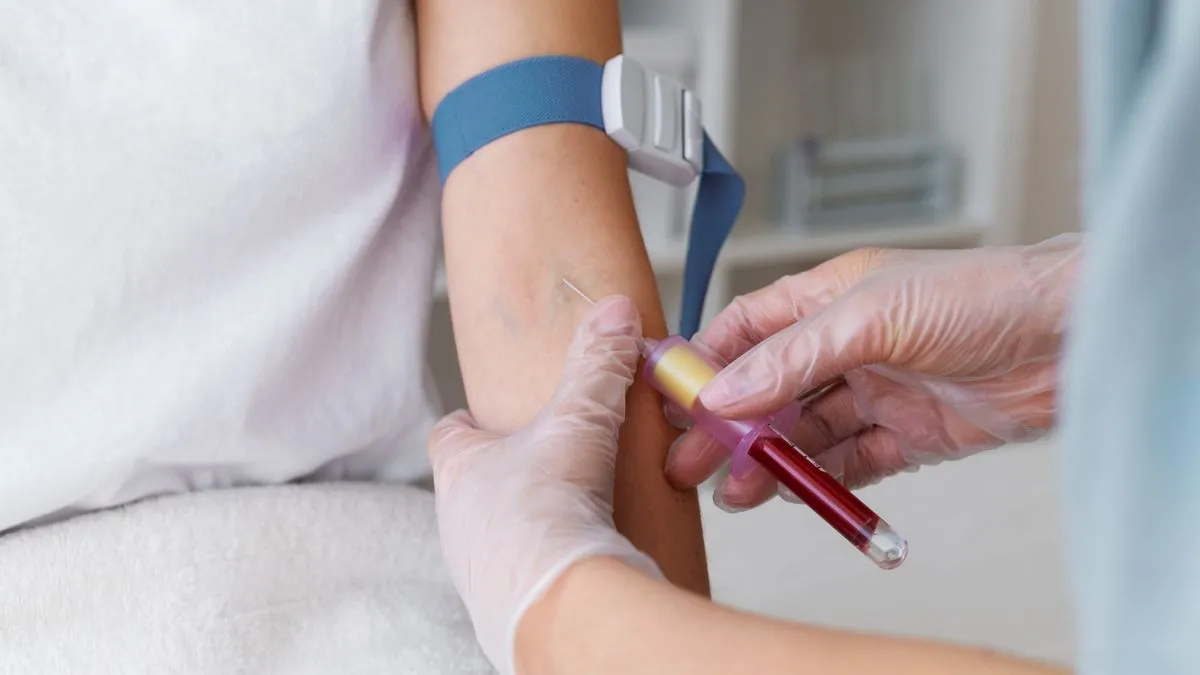
Keeping a track of your health is extremely important as it helps to prevent any future complications. Annual health checkups, especially blood tests, are a good way to identify any hidden issues before they cause serious problems.
While you might not get every test done, there are some essential blood tests that can help you monitor your health. These tests not only provide a clear picture of your overall wellness but also help in early detection and effective treatment. Here are some blood tests that you should get done once every year.
Blood tests that you should get done once every year
1. Complete Blood Count (CBC)
A CBC measures red blood cells, white blood cells, haemoglobin, and platelets. It helps detect anaemia, infections, immune system disorders, and even early signs of certain cancers.
2. Blood Sugar (Fasting and HbA1c)
These tests check the glucose levels in your blood. Fasting blood sugar shows your current sugar control, while HbA1c shows your average sugar levels over the past 2–3 months, which is important for diagnosing or monitoring diabetes.
3. Lipid Profile
A lipid profile checks total cholesterol, LDL (bad cholesterol), HDL (good cholesterol), and triglycerides. Abnormal results can be a sign of the risks of heart disease, stroke, and clogged arteries.
4. Liver Function Test (LFT)
This test measures enzymes like SGPT, SGOT, bilirubin, and proteins, which assess liver health. It helps detect conditions like fatty liver, hepatitis, and liver damage caused by alcohol or medications.
5. Kidney Function Test (KFT)
Checking urea, creatinine, and uric acid levels helps understand kidney health. Early detection is important as kidney diseases often progress silently until they reach an advanced stage.
6. Thyroid Profile (T3, T4, TSH)
The thyroid gland controls metabolism, weight, and energy. Thyroid tests help detect hypothyroidism or hyperthyroidism, both of which can cause fatigue, mood swings, and weight fluctuations.
7. Vitamin D Test
Vitamin D is required for bone strength, immunity, and mood regulation. Deficiency of this essential vitamin is common and can lead to fatigue, weak bones, and also increases the risk of chronic illnesses.
8. Vitamin B12 Test
Vitamin B12 supports nerve health, memory, and red blood cell production. Low levels can cause fatigue, tingling sensations, poor concentration, and even long-term neurological damage.
9. Electrolyte Panel
This test checks sodium, potassium, calcium, and chloride levels in the body. Electrolyte imbalance can affect hydration, muscle function, blood pressure, and heart health.
10. C-Reactive Protein (CRP) or ESR
These tests measure inflammation in the body. Elevated levels can be a sign of infections, autoimmune disorders, or an increased risk of cardiovascular disease.
Disclaimer: Tips and suggestions mentioned in the article are for general information purposes only and should not be construed as professional medical advice. Always consult your doctor or a dietician before starting any fitness programme or making any changes to your diet.
