
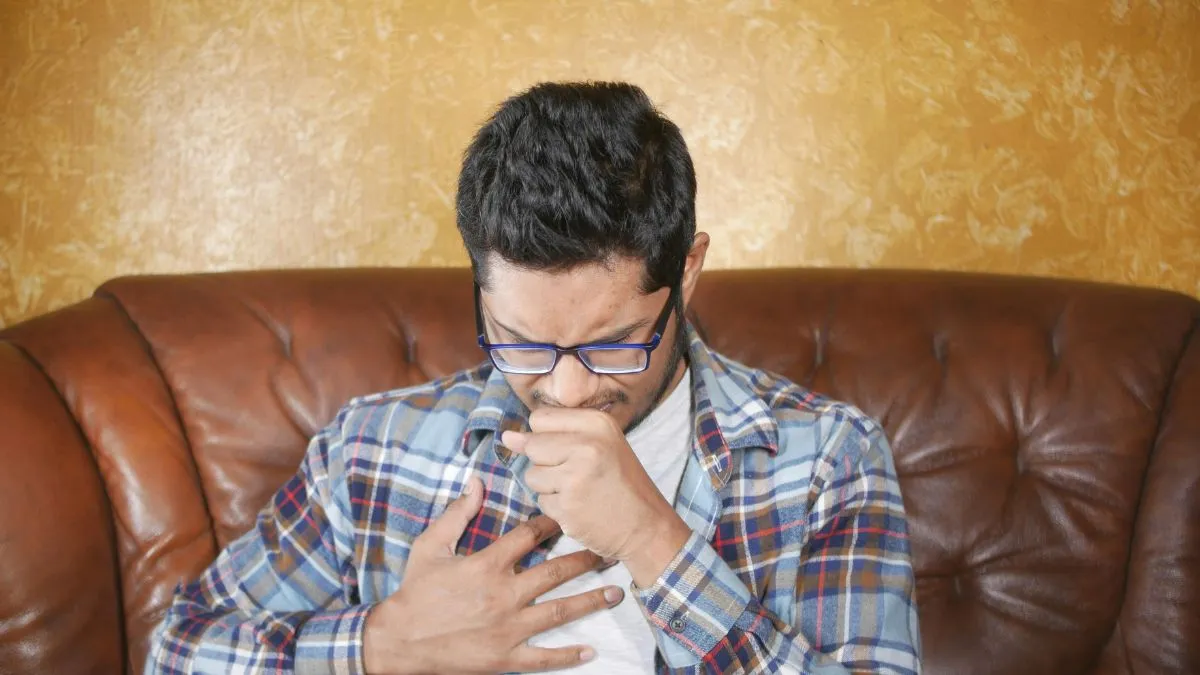
Each winter, Delhi’s skyline disappears under a thick, grey haze. But what looks like a seasonal inconvenience is, in reality, a slow, invisible assault on the human body. The danger of smog goes far beyond coughing and breathlessness — it quietly affects the heart, brain, skin, and even the gut.
We spoke to Dr Manav Manchanda, Director & Head of Respiratory, Critical Care and Sleep Medicine at Asian Hospital, on the subject. The expert explains how deeply this pollution infiltrates our system and what one can do to minimise its impact.
Smog doesn’t just choke the lungs
“Delhi is often covered with a heavy layer of smog that is more than merely an inconvenience, it is a silent killer that goes way beyond the lungs,” says Dr Manchanda.
The fine particulate matter in smog (PM2.5 and PM10) enters deep into the respiratory tract, inflaming airways and gradually reducing lung function. “This predisposes people to respiratory diseases, chronic bronchitis, and asthma attacks,” he notes.
But the story doesn’t end with the lungs. Recent studies show that chronic exposure to air pollution can trigger heart disease, hypertension, and even stroke. When these fine particles enter the bloodstream, they cause systemic inflammation and oxidative stress, damaging blood vessels and the heart over time.
It affects the heart, brain, and developing children
“Even the brain is not immune,” warns Dr Manchanda. Research now links long-term pollution exposure to cognitive decline, memory loss, and a higher risk of neurodegenerative diseases such as dementia.
“Children exposed to high levels of pollution during their formative years are particularly vulnerable. Their lungs and brains are still developing, and this exposure hampers proper growth,” he explains. Pregnant women, too, face a higher risk; air pollution can impair fetal growth and contribute to pregnancy complications.
Smog also harms your eyes, skin, and gut
Smog isn’t just something you inhale; it touches your skin, eyes, and internal systems. “Eye irritation, dryness, and allergic reactions are quite common,” says Dr Manchanda. Pollutants also accelerate skin ageing and aggravate conditions such as eczema and dermatitis.
And surprisingly, it doesn’t stop there. “Inhaled toxins can interfere with gut microbiota, the good bacteria that help with digestion and immunity,” he says. This disruption can lead to digestive issues and weakened immune function.
Preventive steps can help protect your health
“While Delhi’s air quality might feel like an annual crisis, its effects are long-term,” Dr Manchanda cautions. However, there are practical ways to mitigate harm:
- Wear high-quality N95 masks when outdoors.
- Use air purifiers at home and in workplaces.
- Avoid outdoor activity during peak pollution hours.
- Include antioxidant-rich foods like berries, citrus fruits, nuts, and green leafy vegetables in your diet to combat oxidative stress.
- Get regular health check-ups, especially if you already have asthma, heart disease, or other chronic conditions.
The takeaway: know the real danger
“It is the first step to know that smog is not only harmful to the lungs but also to your whole body,” says Dr Manchanda.
The toxic air hanging over Delhi doesn’t just irritate, it infiltrates. The damage it causes is slow, silent, and systemic. But awareness and proactive lifestyle choices can help blunt its long-term impact.
