
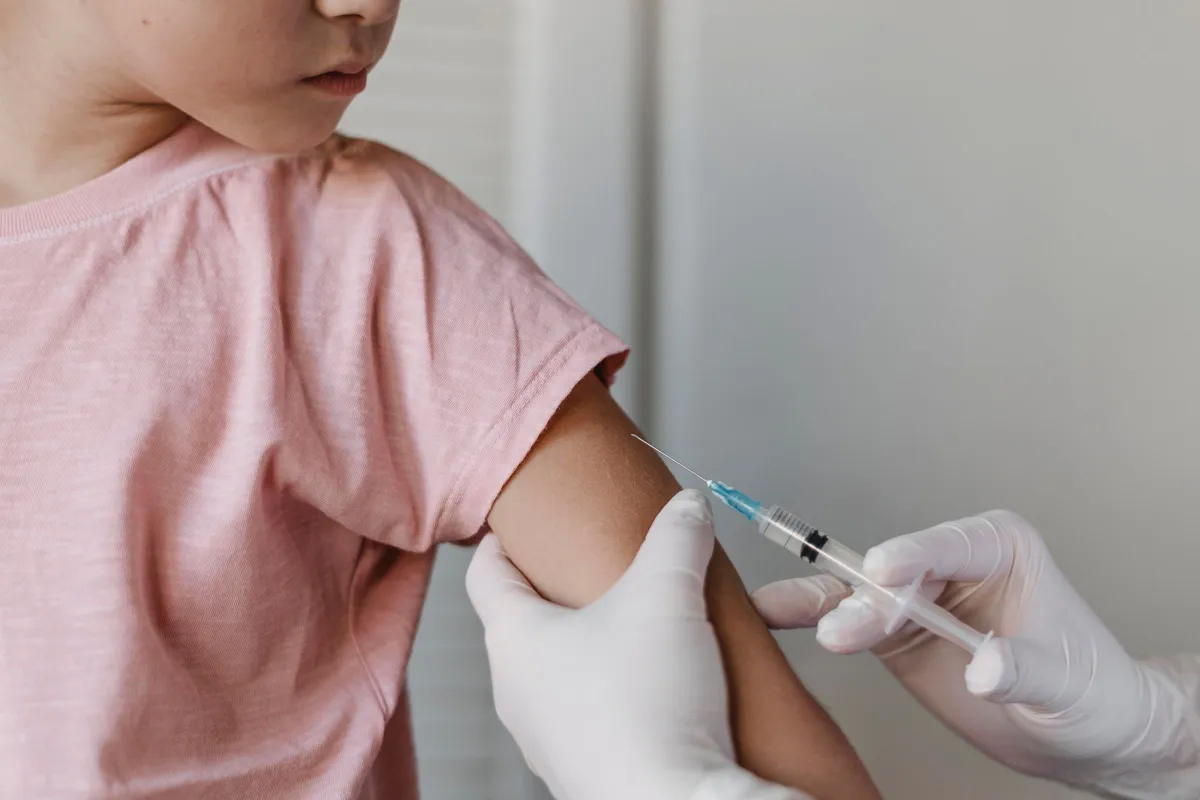
For many new parents, keeping track of a child’s vaccination schedule can quickly become confusing. Between multiple vaccines, different timelines and unfamiliar medical terms, it’s not uncommon for families to wonder whether they’re following the right schedule.
Doctors say this confusion is understandable, but staying informed is essential. Vaccination remains one of the most effective ways to protect children from life-threatening infections, and the timing of each dose plays an important role in how well that protection works. On National Vaccination Day, it is important for parents to familiarise themselves with India’s National Immunization Schedule. This schedule shows when children should be given certain vaccines from birth to adolescence.
Why the timing of vaccines matters
The schedule of vaccines has been developed with care to ensure that children are protected at times when they are most susceptible to infections. In the first months of life, the immune system of the baby is not yet developed, hence the importance of vaccines at this time.
Getting vaccines at the recommended time ensures that children are protected against diseases like tuberculosis, polio, hepatitis B, measles, and diphtheria, among others.
The first vaccines begin at birth
In India, immunization begins almost immediately after birth. Newborn babies are given the BCG vaccine, the first dose of oral polio vaccine, and the birth dose of hepatitis B vaccine within the first 24 hours.
These early vaccines help protect infants against infections that can be particularly severe in the first months of life.
The crucial first few months
The first six months are a critical period in a child’s immunisation journey. During this period, the infants are administered a set of vaccines at 6 weeks, 10 weeks, and 14 weeks. These vaccines include the pentavalent vaccine, oral polio vaccine, rotavirus vaccine, and inactivated polio vaccine, which provide protection against a number of serious diseases. In some areas, the pneumococcal conjugate vaccine (PCV) is also administered to children.
Vaccines in the first year
As children grow closer to their first birthday, a number of vaccines are administered to boost their immunity. At 9 to 12 months, the children are administered the measles-rubella vaccine and, in some districts, the Japanese encephalitis vaccine. Vitamin A supplementation is also given to support overall health.
Immunisation continues through childhood
Vaccination does not stop after infancy. Booster shots assist in strengthening the immunity levels in children as they grow. Between 16 and 24 months, the child is administered booster shots for diseases like diphtheria, pertussis, and tetanus, along with protection from measles and polio. The booster shots are advised to be taken at 5-6 years of age, followed by tetanus and diphtheria shots at 10 and 16 years of age.
According to paediatricians, parents are advised to remember that the vaccination schedule is planned to provide maximum benefits and not to burden parents. Keeping a record of vaccinations, reminders for future vaccinations, and advice from a paediatrician can assist parents in following the vaccination schedule.
In case a vaccination is missed, doctors advise catching up on the vaccinations as soon as possible, without having to begin the whole process again. On National Vaccination Day, staying informed about vaccination schedules is one of the simplest and most effective steps parents can take to safeguard their child’s health.
Disclaimer: Tips and suggestions mentioned in the article are for general information purposes only and should not be construed as professional medical advice. Always consult your doctor or a dietician before starting any fitness programme or making any changes to your diet
