
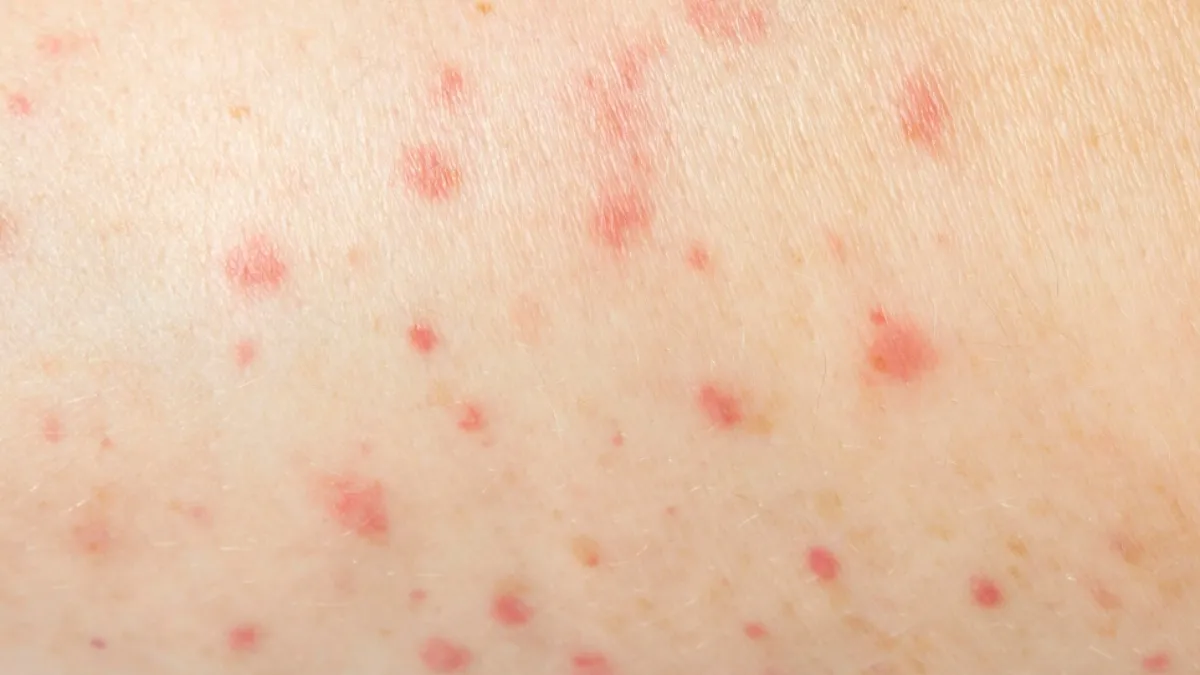
Following the unexpected breakout of chickenpox that is fast spreading throughout multiple localities, Kerala health authorities have declared a high alert in the Kollam district.
About 100 confirmed cases have been reported in the previous few days, according to health department data, prompting officials to launch public awareness campaigns and take significant preventive action.
What makes Kollam susceptible?
Chickenpox is caused by the varicella-zoster virus, which is easily transferred by sneezing, coughing, or coming into close contact with an infected individual. The post-monsoon humidity of Kollam makes it the perfect place for the virus to grow and spread. According to The New Indian Express, physicians say that adults are now more at risk, even though the original outbreak primarily afflicted children.
Symptoms and causes of chickenpox
According to Dr Manjusha Agarwal, Senior Consultant, Internal Medicine, Gleneagles Hospital, Parel, Mumbai, chickenpox is an acute, highly contagious infection caused by the varicella-zoster virus (VZV). Common symptoms begin about 10–21 days after exposure and include fever, fatigue, loss of appetite, and an itchy blister-like rash that starts on the trunk and face and spreads.
Lesions progress from red spots to fluid-filled blisters that crust over; new crops can appear for several days. Complications (more likely in infants, adults, pregnant people, and immunocompromised persons) include bacterial skin infection, pneumonia, encephalitis, and, rarely, severe systemic illness.
VZV spreads easily via respiratory droplets and direct contact with lesion fluid; it is contagious from about 1–2 days before the rash appears until all lesions crust. Prior infection confers long-lasting immunity, though the virus can later reactivate as shingles.
Vaccination
The varicella vaccine is a live attenuated vaccine that strongly reduces the risk of chickenpox and its complications. Standard schedule: two doses in childhood (first at 12–15 months, second at 4–6 years). Unvaccinated adolescents and adults should receive two doses 4–8 weeks apart.
Two doses are substantially more effective than one for preventing any disease and nearly eliminate severe disease. Contraindications include pregnancy and significant immunosuppression. Common side effects are mild fever and local reaction; severe reactions are rare. Talk to your healthcare provider about vaccination, post-exposure options, and treatment if exposed or symptomatic.
ALSO READ: Inflammation and health: The real reason behind 60% of global deaths
