
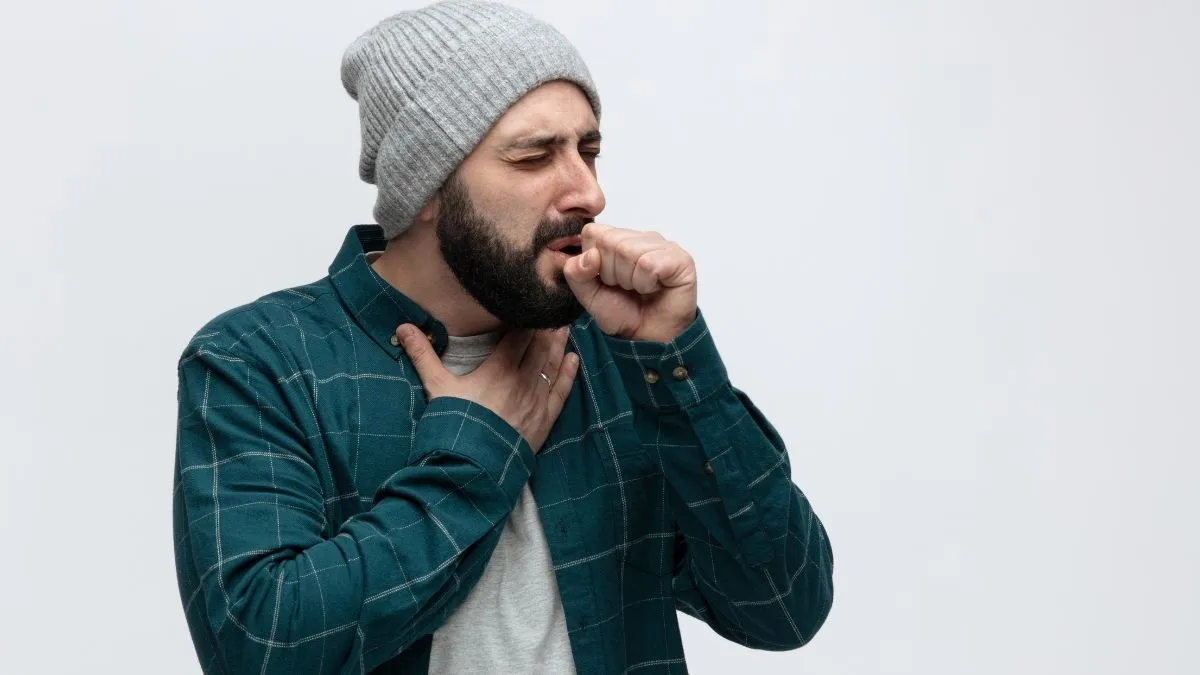
Every winter, complaints about persistent cough, breathlessness, chest tightness, and endless bouts of mucus start filling every conversation. This year is things are no different. With temperatures dipping and pollution levels climbing, doctors are seeing a sharp rise in bronchitis cases across cities.
According to Dr Tanish Mandal, Consultant Pathologist and Zonal Technical Chief, North India, Apollo Diagnostic Delhi, early testing is one of the most powerful tools to prevent minor inflammation from turning into chronic lung disease. “Timely diagnosis protects the lungs,” he says, especially because untreated bronchitis can progress to conditions like COPD and long-term lung damage.
Why does bronchitis spike in winter
Cold air narrows the airways. Pollution irritates them. Viral infections spread more easily. Together, they create the perfect storm for bronchitis, an inflammation of the bronchial tubes that carry air in and out of the lungs.
When these tubes swell, several symptoms follow:
- Persistent cough
- Wheezing or noisy breathing
- Chest tightness
- Thick mucus
- Sore throat or mild fever
- Fatigue and body aches
Winter doesn’t just trigger bronchitis; it also worsens existing respiratory conditions for people who are already vulnerable.
Acute vs chronic bronchitis: Knowing the difference matters
Acute bronchitis
- Starts suddenly
- Usually follows a cold or viral infection
- Lasts days to weeks
- Treatable with rest, hydration and medicines
Chronic bronchitis
- Lasts for months
- Often linked with smoking or long-term pollution exposure
- Can permanently damage air passages
Is it a type of COPD (chronic obstructive pulmonary disease)
For both types, ignoring symptoms can lead to long-term lung complications, which is why Dr Mandal emphasises testing early rather than waiting for symptoms to worsen.
Why timely testing can save lungs
Bronchitis has symptoms similar to pneumonia, asthma flare-ups, or a viral infection. Tests help determine the right cause of illness and recommend appropriate treatment accordingly.
Dr Mandal says the following tests are recommended for those who suffer from a chronic cough, shortness of breath or wheezing:
1. Physical examination
A doctor does a preliminary diagnosis by checking the patient's breathing, history, and symptoms like crackles or airflow blockage.
2. Chest X-ray
Recommended if the cough persists for over two weeks, or when breathing becomes problematic. It helps identify the inflammation of the lungs and aids in ruling out pneumonia.
3. Lung function tests
These are used to measure lung functioning and the amount of air a person can inhale or exhale.
4. Sputum test
Useful for detecting an infection, allergen, or bacteria that may be exacerbating symptoms.
5. Spirometry
A quick, noninvasive test that measures airflow in order to confirm bronchitis and detect airway obstruction.
6. Blood tests
These reveal infections, inflammation levels, or low levels of oxygen. They also help in determining the severity of the condition.
How to prevent bronchitis in winter
Dr Mandal highlights simple but effective steps:
- Wear a mask when you go outside, especially on days of high pollution
- Use an air purifier in your home
- Avoid active and passive smoking
- Keep rooms well-ventilated
- Wash hands frequently to avoid viral infections
- Regular check-ups during winter for those with a previous lung problem history
Simple steps can help you avoid bronchitis this winters!
Also read: Persistent chest tightness and breathing discomfort: Early lung cancer signs not to ignore
