
Iran is considering to exit from the Nuclear Non-Proliferation Treaty (NPT), said the Middle East country's foreign minister spokesperson Esmail Baghaei on Monday, while once again reiterating that Tehran will never seek nuclear weapons. Notably, Iranian parliamentarians had also considered exiting the NPT during the 12-day war against the United States (US) and Israel in June last year.
"What is the benefit of joining a treaty in which bullying parties at the international level not only do not allow us to benefit from its rights but also attack our nuclear facilities?" the Iranian foreign ministry spokesperson was quoted by The Times of Israel as saying.
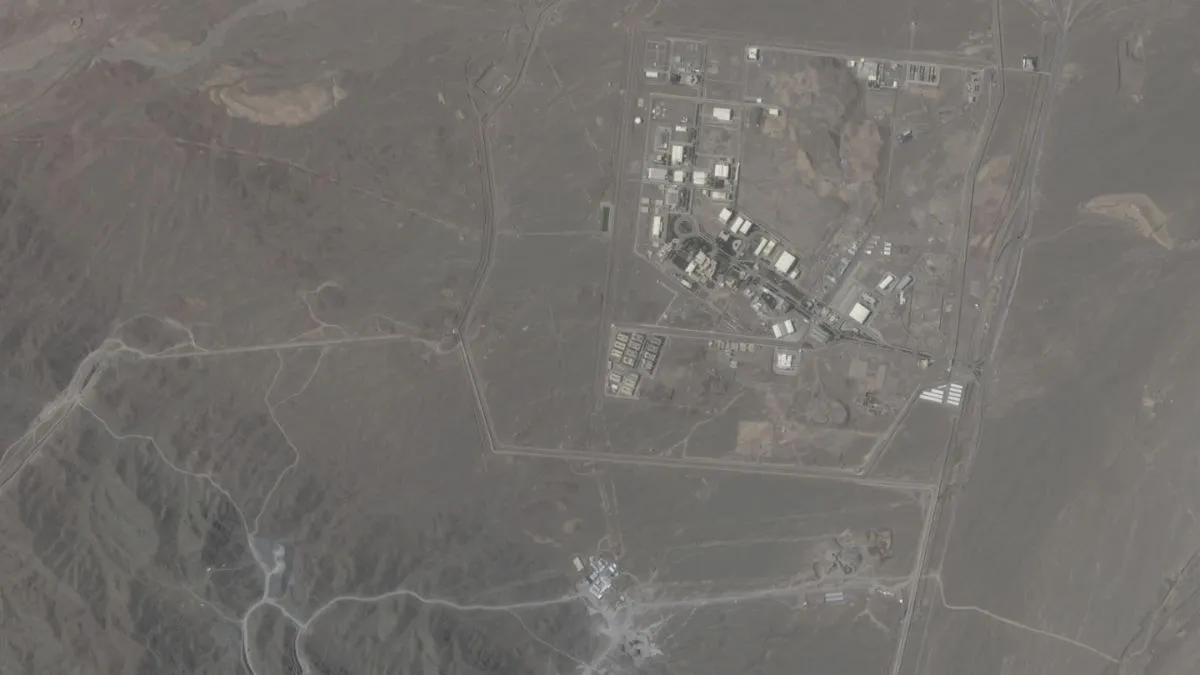
The US and Israel have repeatedly claimed that Iran is developing nuclear weapons, but the Islamic Regime has denied it. During the 12-day war last year, the American military also targeted Iran's three key nuclear sites: Natanz, Fordow and Isfahan, using the B-2 stealth bombers. Following the war, Iran had reportedly removed nearly 400 kilograms of partially enriched uranium from these sites.
The Nuclear Non-Proliferation Treaty
Nuclear Non-Proliferation Treaty was signed between the US, the United Kingdom (UK), the Union of Soviet Socialist Republic (USSR) and 59 other countries in July 1968. The treaty limits the spread and development of nuclear weapons.
The treaty, which became effective in 1970, has two categories of states. The first is the country that tested the nuclear weapons before 1967 (the US, Russia, China, the UK, and France), and they will have to commit to reducing their arsenal. The other is the non-nuclear countries, who have agreed not to develop nuclear weapons.
Is there any country that have not signed this treaty?
India, Pakistan and Israel have not signed this treaty. North Korea had signed it, but withdrew in 2003.
Implications on Iran
Because Iran had signed the NPT in 1970, it cannot develop nuclear weapons. Additionally, this treaty makes it compulsory for Iran to get its nuclear programme monitored by the International Atomic Energy Agency (IAEA). Developing nuclear weapons would mean that Iran is violating this treaty. However, Iran has repeatedly said it is neither developing nuclear weapons, not it will ever do it.
It is worth mentioning that this treaty allows Iran the right to peacefully use nuclear energy. It can use it for producing electricity and enrich uranium for civil use. However, allegations have been made that Iran has not provided complete details regarding its nuclear programme.
Last year, the UN also said that Iran was not complying with nuclear obligations. "Unless and until Iran assists the agency in resolving the outstanding safeguards issues, the agency will not be in a position to provide assurance that Iran’s nuclear program is exclusively peaceful," IAEA director general Rafael Grossi had said back then.
ALSO READ - Trump wants Kurds to join fight against Iran: Who are they and why the US needs them | EXPLAINED
