
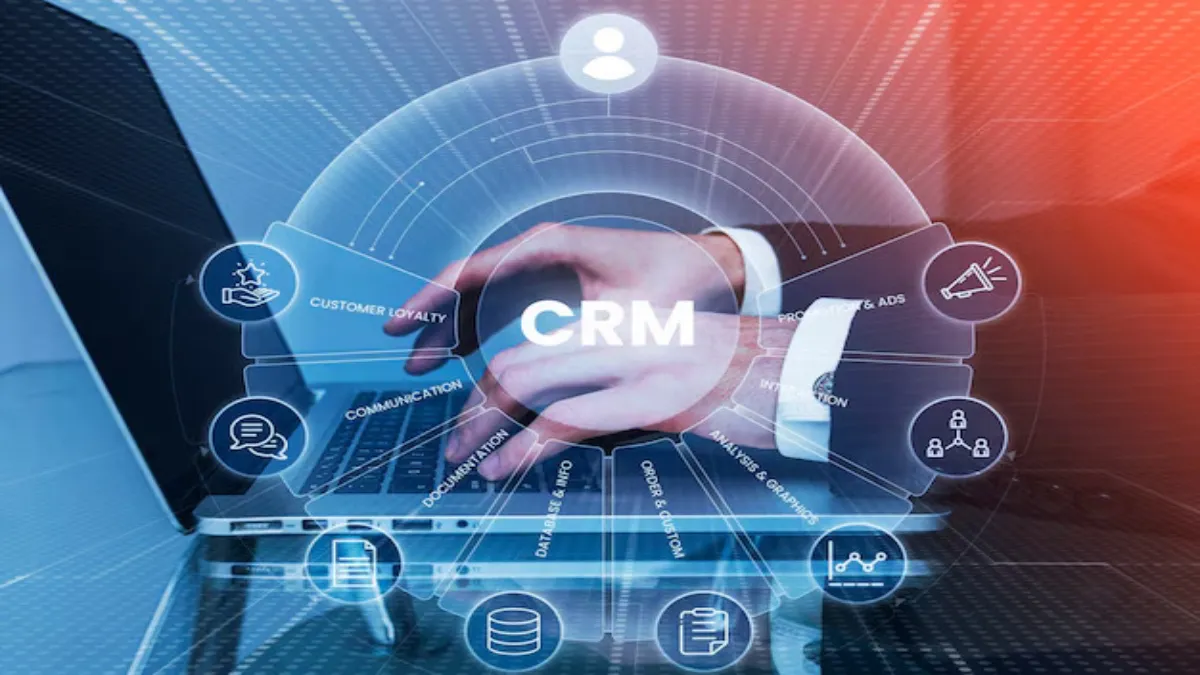
Modern businesses generate a massive amount of customer data every day. Emails, calls, purchases, and feedback all contain valuable information that can shape business decisions. However, without the right tools, this information often remains unused. But now with analytics-driven CRM software, the possibilities around creating various problem solving workflows has gone up by a hundredfold or maybe even more!
CRM systems equipped with analytics help companies organize, study, and interpret customer data to understand patterns and preferences. They allow teams to move beyond guesswork and rely on data-backed insights. When used effectively, these insights improve sales performance, customer experience, and long-term growth.
The Impact of Analytics With Relation to CRM
Analytics transforms raw data into actionable information. Instead of simply recording customer interactions, modern CRMs now interpret them. They highlight what customers like, when they engage, and how they make purchase decisions.
This helps businesses move from reactive strategies to proactive planning. For example, if analytics shows that customers respond best to emails sent midweek, the sales team can adjust its schedule accordingly. When data reveals a decline in engagement, managers can identify the reason early and take corrective action.
In short, analytics helps businesses stay informed, agile, and one step ahead of customer expectations.
How Analytics-Driven CRMs Work
An analytics-driven CRM gathers data from multiple sources and processes it into visual insights. These systems use charts, dashboards, and performance metrics to present complex data in an easy-to-understand form.
Here is a simple breakdown of how it works:
-
Data Collection – The CRM collects information from emails, social media, website visits, sales records, and customer support interactions.
-
Data Organization – The system groups this information under categories like lead source, purchase history, and engagement rate.
-
Data Analysis – Built-in tools study the data to identify trends, recurring behaviors, or performance gaps.
-
Reporting and Visualization – The results are displayed as dashboards, graphs, and charts that help teams make quick decisions.
The Benefits of Analytics in CRM
Analytics adds a new dimension to how businesses use CRM systems. Instead of just managing contact details, teams can now understand how every decision impacts performance.
1. Better Decision-Making
Analytics-driven CRMs help leaders make informed decisions rather than assumptions. For example, sales managers can analyze which campaigns bring the highest conversion rates or which regions generate the most revenue.
2. Improved Customer Understanding
Analytics reveals what customers expect from a brand. It shows which products are popular, which services need improvement, and which communication channels work best. This understanding helps personalize interactions and build trust.
3. Increased Efficiency
Instead of manually tracking every sale or customer interaction, analytics automates reporting. Teams can focus more on planning strategies instead of preparing spreadsheets.
4. Accurate Forecasting
Predictive analytics uses past data to forecast future trends. Businesses can estimate demand, set realistic targets, and prepare for market changes more effectively.
5. Enhanced Team Performance
With analytics dashboards, every team member can track progress in real time. Sales teams can identify high-performing campaigns, while customer service teams can measure response quality and satisfaction.
Analytics and the Sales Process
Analytics has completely changed how sales teams work. Traditional selling depended heavily on experience and intuition. Now, with data-driven insights, sales decisions are faster and more precise.
An advanced sales CRM tracks every stage of the sales pipeline — from lead generation to closing a deal. With analytics, it can identify which leads are more likely to convert, helping sales representatives prioritize their efforts.
Here’s how analytics supports the sales process:
-
Lead Scoring: Data helps assign value to each lead based on engagement, purchase intent, and past behavior.
-
Pipeline Visibility: Analytics shows which deals are progressing and which ones are stuck, allowing for quick follow-up.
-
Performance Tracking: Managers can evaluate sales targets and team output instantly.
-
Customer Behavior Insights: CRMs analyze communication frequency, response time, and order patterns to guide the next steps.
This structured and data-backed approach ensures that every sales opportunity is used effectively.
How Analytics Enhances Customer Retention
Acquiring new customers is important, but retaining existing ones is often more profitable. Analytics helps businesses understand why customers stay loyal and why some decide to leave.
Here are some ways analytics supports retention:
-
Identifying At-Risk Customers: The CRM alerts the team when engagement levels drop or complaints increase.
-
Personalized Offers: By studying buying habits, businesses can create customized deals that match customer preferences.
-
Feedback Tracking: Analytics helps measure satisfaction levels and response trends to improve service quality.
-
Predictive Models: These models suggest the best time to reach out to customers or introduce new products.
When businesses use analytics to listen to their customers, they can prevent issues before they grow and strengthen long-term relationships.
The Role of Visualization in CRM Analytics
Data becomes powerful only when it is easy to interpret. Visualization tools in CRM systems convert numbers into simple visuals like charts and dashboards.
Managers can check performance summaries in minutes. Sales representatives can view lead progress instantly. Support teams can monitor ticket resolution times. All this happens without the need for technical expertise.
Visual reports make it easier for every team member to understand business performance and align their actions with company goals.
Combining Automation with Analytics
Automation and analytics together make CRMs more efficient than ever before. Automation handles repetitive tasks, while analytics interprets the results.
For example:
-
Automation sends a follow-up email after a customer makes a purchase.
-
Analytics tracks how many recipients opened that email and how many clicked the link.
-
The system then uses this data to optimize the next campaign.
This combination ensures that marketing and sales efforts are not only efficient but also measurable and adaptable.
Challenges in Using Analytics-Driven CRMs
While analytics brings many benefits, businesses must also prepare for certain challenges.
-
Data Accuracy: Insights are only as reliable as the data collected. Incomplete or outdated records can affect results.
-
Employee Training: Teams need basic analytical understanding to interpret reports correctly.
-
Integration Issues: CRMs must sync well with other software like marketing tools or accounting platforms.
-
Privacy Concerns: As data usage grows, companies must ensure compliance with security and privacy laws.
Addressing these challenges ensures that analytics works smoothly and delivers maximum value.
Future of Analytics-Driven CRM Systems
The future of CRM analytics looks promising. Artificial intelligence and machine learning will soon make systems even smarter.
Future CRMs will predict customer needs automatically, detect buying patterns, and recommend personalized actions for sales and marketing teams. Predictive analytics will guide decision-making in real time, while automation will reduce manual effort further.
As businesses continue to rely more on data, CRMs will evolve into complete intelligence platforms that manage relationships, measure performance, and plan future strategies.
Building Stronger Connections Through Data
Analytics-driven CRMs are reshaping how companies understand and serve their customers. They turn everyday data into meaningful insights that guide smarter decisions and create better experiences.
When analytics and automation work together, businesses gain more than just reports. They gain a clearer understanding of their customers, stronger relationships, and a sharper competitive edge.
Companies that invest in analytical CRM systems today will be better prepared to navigate future challenges and achieve sustainable growth tomorrow.
(Disclaimer: This is sponsored content. The liability for the article solely rests with the provider. The content has not been verified by the India TV channel and IndiaTVNews.com.)
