
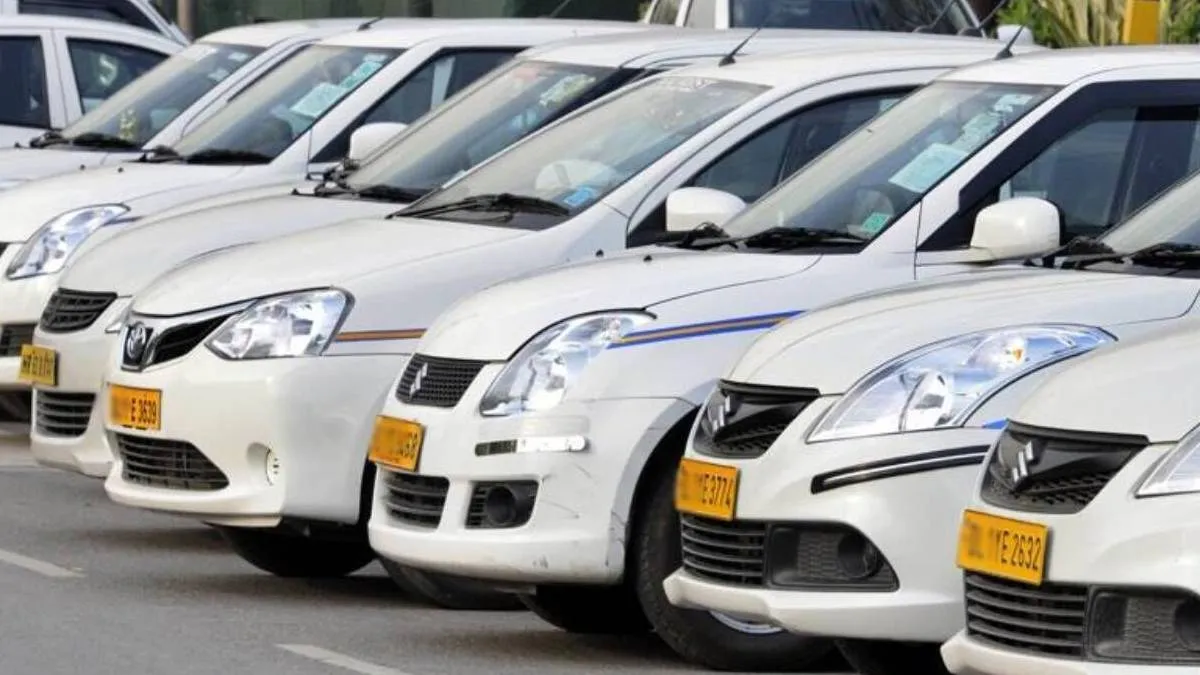
The transport ministry announced that it had amended the provisions of the Motor Vehicles (Amendment) Act, 2019, which pertain to the Motor Vehicle Aggregator Guidelines. According to the updated guidelines, the Centre permitted cab aggregators, like Ola and Uber, to charge up to twice the base fare during peak hours, an increase from the previous limit of 1.5 times. During non-rush hours, the minimum charge is set at 50 per cent of the base fare. Furthermore, the Ministry of Road Transport and Highways stated that a penalty of 10 per cent of the fare, not exceeding Rs 100, would be applied to drivers who canceled rides without a valid reason. Passengers would face a similar penalty for cancellations under the same circumstances.
Fare regulation
The ministry stated that the state government will set the prices for different types of vehicles. This means they will decide the starting fare that passengers will pay when using services provided by ride-sharing companies. The base fare would apply for a minimum distance of three kilometers to cover dead mileage, which included distances traveled without passengers and the distance and fuel used to pick up passengers.
Passengers would not be charged for dead mileage, except in cases where the ride distance was less than three kilometers. Fares would only be calculated from the journey's starting point to the destination where the passenger is dropped off.
Additionally, the government emphasised that aggregators must ensure a minimum insurance amount of Rs 5 lakh for passengers.
State governments to frame rules
The amended guidelines aimed to create a regulatory framework for state governments to issue licenses and regulate aggregators in the road transport sector. It was specified that when granting licenses to aggregators, state governments could adhere to guidelines issued by the Central Government. States were expected to adopt these revised guidelines within three months from their issue and could introduce additional provisions as needed.
The new guidelines, referred to as the Motor Vehicles Aggregator Guidelines, 2025, sought to implement a light-touch regulatory system while addressing user safety and security, as well as the welfare of drivers.
ALSO READ: Central government allows use of private bikes for ride-sharing services
