- News
- Technology
- Who invented the QR Code? Born from a game, now powering UPI, Aadhaar and WhatsApp logins
Who invented the QR Code? Born from a game, now powering UPI, Aadhaar and WhatsApp logins
Inspired by the black-and-white grid pattern of the traditional Japanese board game “Go,” the QR code was further developed by Denso Wave, a subsidiary of Toyota. Its fast data access and changing codes make it essential in today’s digital world.
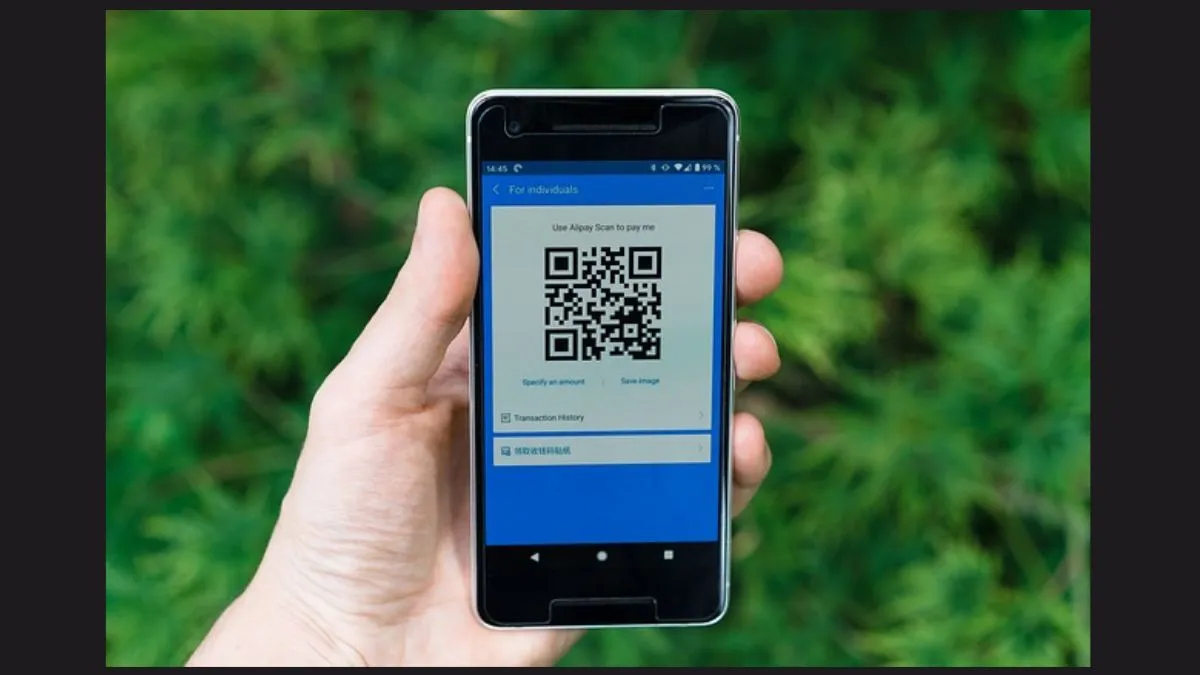
Whether you are paying at a local shop, scanning Aadhaar-linked services, or logging into WhatsApp Web, the QR code (Quick Response code) has become a daily necessity. This black-and-white matrix is more than just a convenience, and it is a secure and fast way to transmit information, which is being used across India’s digital ecosystem from UPI apps to official portals.
But have you ever wondered where this revolutionary technology came from? Here is everything you need to know.
The origin of the QR Code: Created in Japan
The QR code was first invented in 1994 by Japanese engineer Masahiro Hara. At the time, he was working at Denso Wave, a subsidiary of Toyota Motor Corporation. The aim was to create a system that could track automotive parts more efficiently than the traditional barcodes used then. While Masahiro came up with the idea, Denso Wave refined and officially launched it for industrial use.
A game that sparked a tech revolution
Surprisingly, the idea behind the QR code did not come from a lab or a corporate boardroom. Masahiro got his inspiration while playing the traditional board game ‘Go’, which uses a 19x19 grid of black and white stones.
He further realised that different combinations of shapes in the grid could be used to store complex data, sparking the idea for a high-capacity, fast-scanning code.
From factory floors to smartphones
Initially used in the manufacturing industry, QR codes are now being used in digital payments, Aadhaar authentication, WhatsApp logins, ticket scanning and more. One of the biggest strengths of this technology lies in fast scanning, error correction and dynamic content updates, which enables it to be secure and adaptable for various use cases.
The next time you scan a QR code to pay or log in to your social media, remember that it all started with a simple board game idea in Japan.