Pen drive secrets: How this tiny device stores up to 2TB of data
Pen drives, also known as USB flash drives, remain a reliable portable storage option despite the rise of cloud storage. We explore their history, invention, storage capacity evolution, and working technology that allows them to store up to 2TB of data in a device weighing just 30 grams.
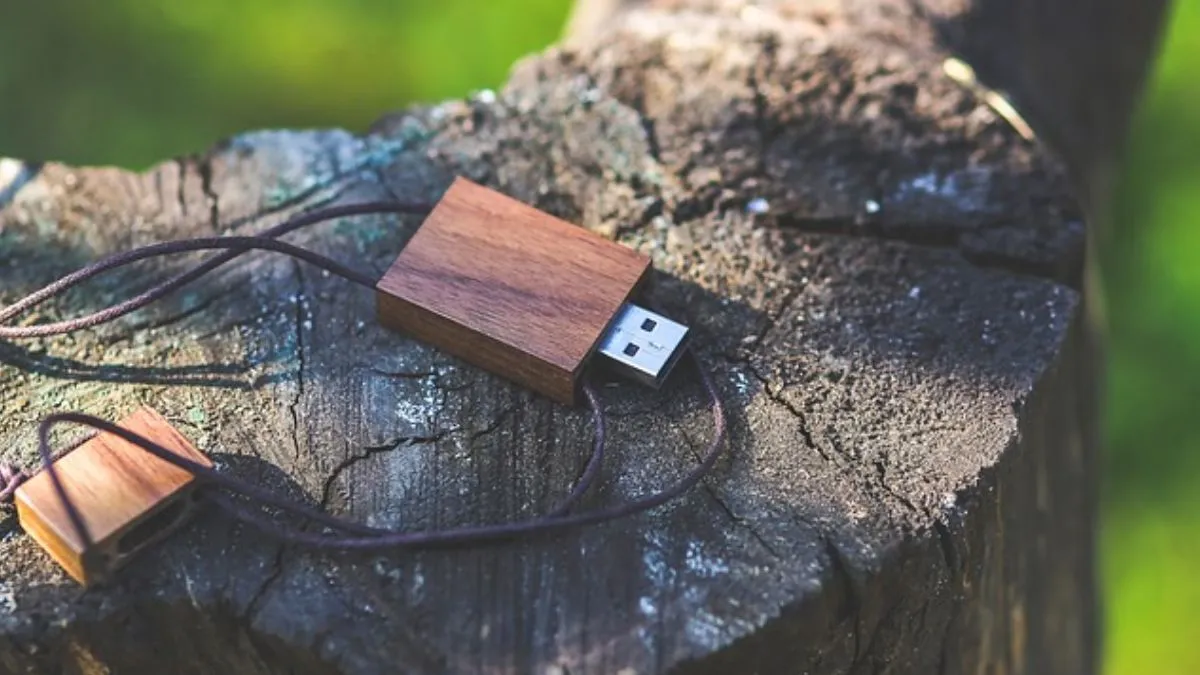
If you are one of those generations from the 90s, then you must remember how important the pen drives were back then. They are also known as USB flash drives, and till today, they remain a reliable portable storage option despite the rise of cloud storage. We explore their history, invention, storage capacity evolution, and working technology that allows them to store up to 2TB of data in a device weighing just 30 grams.
From Floppy disks to terabyte storage
Before pen drives, users relied on floppy disks with storage in just a few bytes, followed by CDs and DVDs that stored 1GB to 5GB. The arrival of pen drives and memory cards revolutionised portable storage, with modern models holding up to 2TB of data—enough to replace hundreds of CDs and DVDs.
The birth of the pen drive
The pen drive was invented by Amir Ban, Dov Moran, and Oron Ogand of Israeli company M-System, with a patent filed on 5 April 1999 and approved on 14 November 2000. IBM engineer Shimon Shmuli also contributed to its invention in 1999. Officially called a USB flash drive (Universal Serial Bus flash drive), the first models launched in the early 2000s.
Evolution of speed and capacity
- 2002: USB 2.0 pen drives – 35 Mbps speed
- 2013: Kingston’s 1TB pen drive launch
- 2015: USB 3.1 Type-C – 530 Mbps speed
- 2017: Kingston’s 2TB pen drive release
- 2018: SanDisk’s smallest USB Type-C 1TB pen drive
How pen drives work
Pen drives use EEPROM (Electrically Erasable Programmable Read-Only Memory) technology, made of layers of magnetic cells. When connected to a PC or device, an electric current activates its memory, allowing users to store, delete, and transfer files. Data can be rewritten up to 100,000 times.
Security features
Modern pen drives come with encryption, making it harder for hackers to tamper with them. In earlier days, pen drives were a common source of computer viruses, with cybercriminals using them to infiltrate servers.